




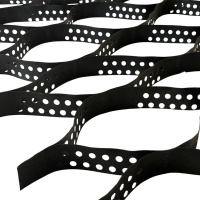
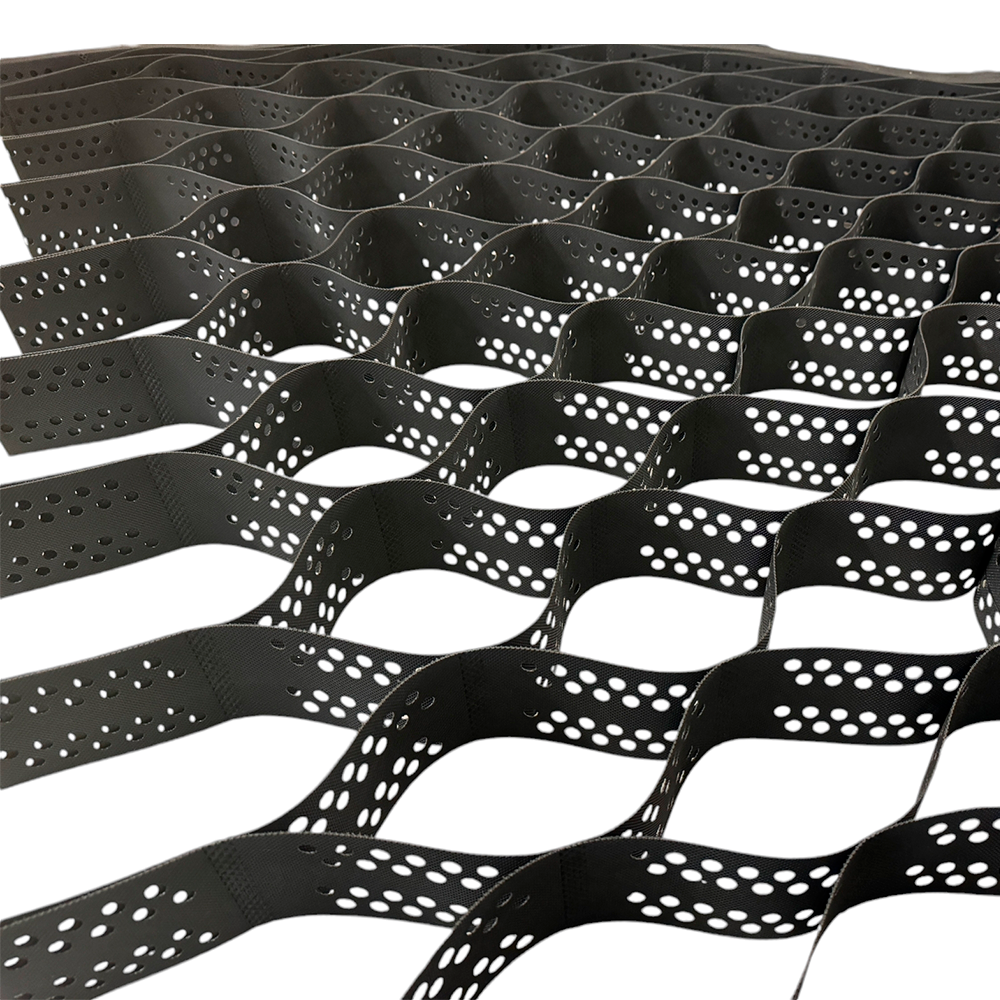
Volumetric geogrid GR 20/10, height 10 cm, cell 16x16 cm, size 3x4 m (12 square meters)
Product code: 0375
Volumetric geogrid GR 20/5, height 5 cm, cell 16x16 cm, size 3x4 m (12 square meters)
Product code: 0376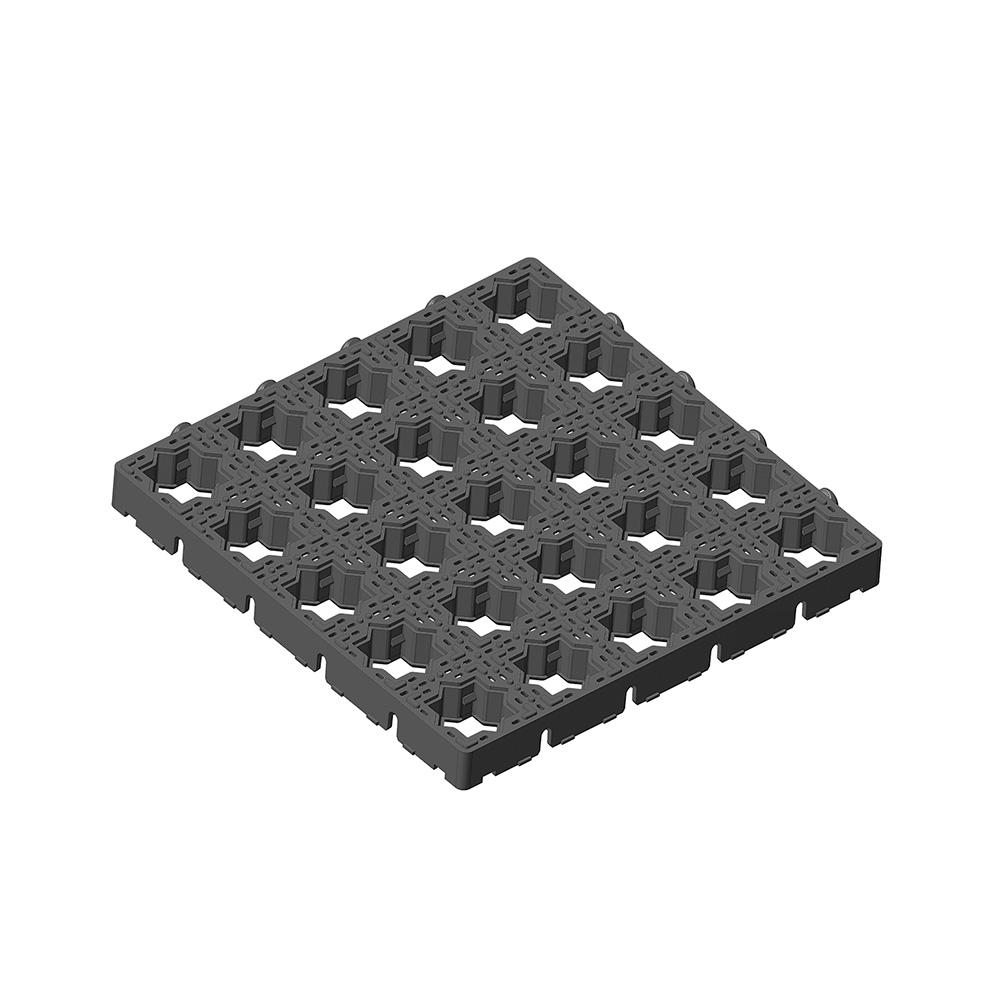

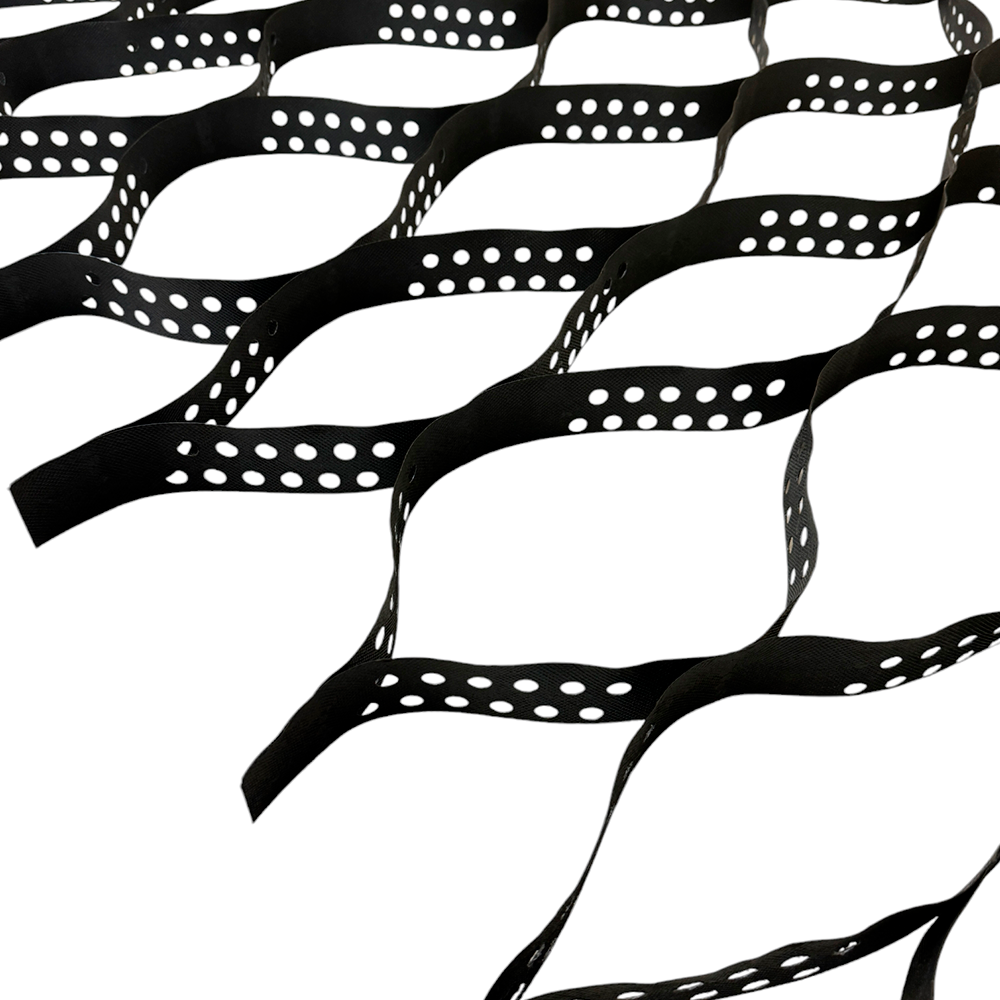
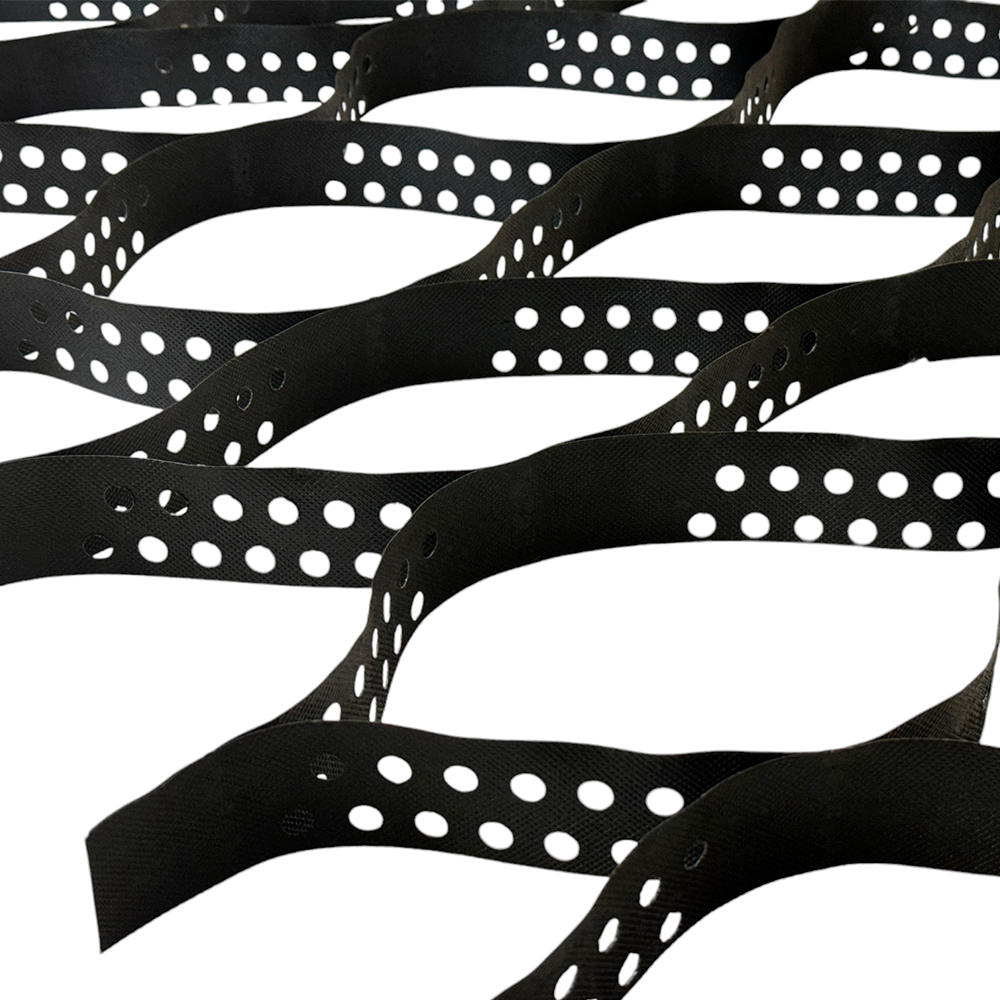

Volumetric geogrid GR 20/15, height 15 cm, cell 16x16 cm, size 3x4 m (12 square meters)
Product code: 0413
Volumetric geogrid GR 20/20, height 20 cm, cell 16x16 cm, size 3x4 m (12 square meters)
Product code: 0410
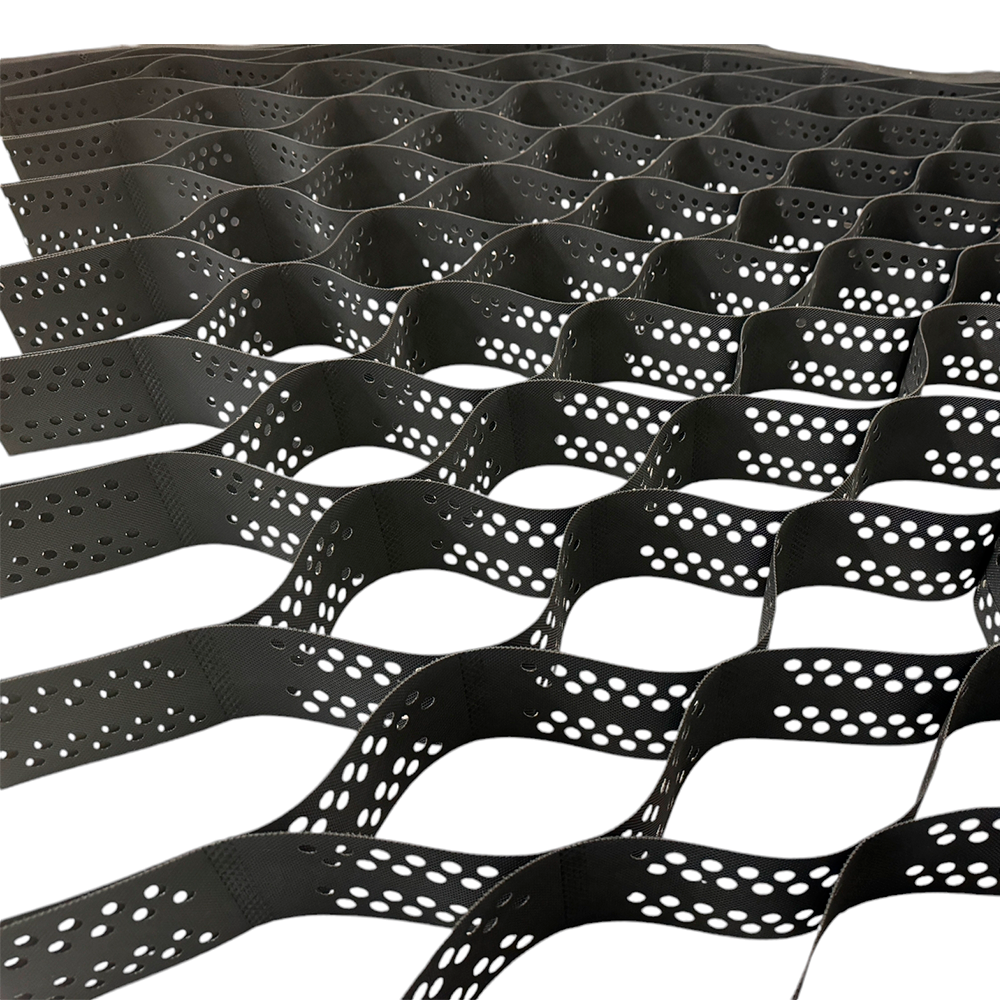
Volumetric geogrid GR 40/10, height 10 cm, cell 33x33 cm, size 2.43x8.23 m (20 sq.m.)
Product code: 0414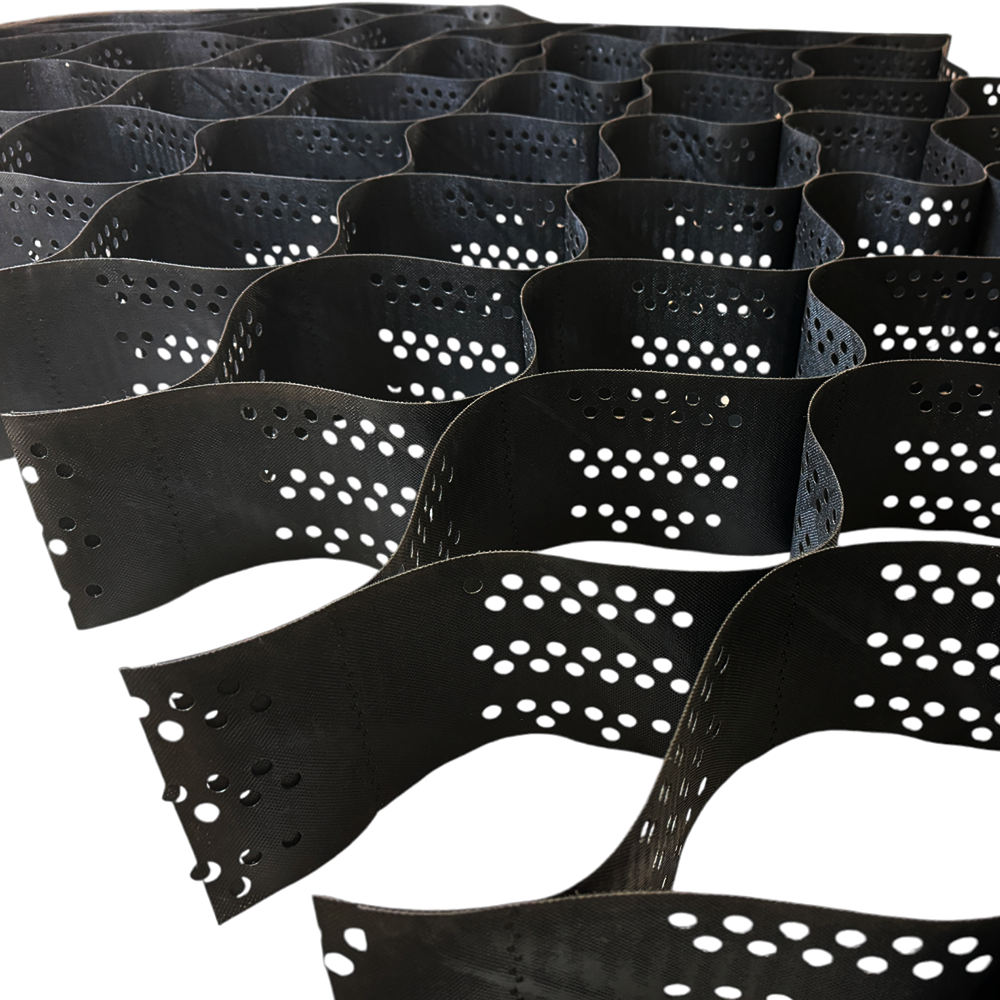
Volumetric geogrid GR 40/15, height 15 cm, cell 33x33 cm, size 2.43x8.23 m (20 sq.m.)
Product code: 0411Volumetric geogrid GR 40/20, height 20 cm, cell 33x33 cm, size 2.43x8.23 m (20 sq.m.)
Product code: 0412Geogrids are a modern geosynthetic material used for soil reinforcement, road base stabilization, and erosion control. They are mesh structures made of polymeric materials such as polypropylene, polyester, or polyethylene. Due to their unique properties, geogrids significantly increase the bearing capacity of soils and contribute to the durability of engineering structures.
Types of geogrids
There are several main types of geogrids that are used depending on the specific construction conditions:
Uniaxial geogrids – have high strength in the longitudinal direction and are used to strengthen slopes, embankments, and embankments.
Biaxial geogrids – provide uniform load distribution in two directions, making them ideal for stabilizing road bases and reinforcing foundations.
Three-dimensional geogrids – create a cellular structure that effectively holds the filler, used to strengthen slopes, river banks, and road surfaces.
Advantages of geogrids
 Increasing the bearing capacity of the soil - evenly distributes the load and reduces subsidence.
Reduced construction costs – allow the use of fewer building materials, reducing road construction costs.
Resistance to chemical and biological influences – not subject to corrosion, decomposition and exposure to aggressive environments.
Erosion protection – helps retain soil on slopes and prevents landslides.
Easy to install – easily transported and quickly installed without the need for special equipment.
Areas of application of geogrids 
Road construction – stabilization of soil bases and reinforcement of road surfaces.
Strengthening slopes and embankments – preventing erosion and landslides.
Building foundations – ensuring the stability of structures on weak soils.
Coastline protection – strengthening the banks of reservoirs and dams.
Landscape design is the creation of sustainable and long-lasting landscape elements.
 Geogrids are an effective solution for strengthening and stabilizing soils in various areas of construction. They help increase the durability of road and engineering structures, reduce construction costs and protect territories from erosion processes. Due to their unique properties, geogrids are widely used in modern construction and infrastructure projects.
