




Winter formwork grease is chosen when the air or panel temperature is below +5 °C, and summer grease is left for the warm season. According to the product card, summer grease ZAP-11 works from +5 to +80 °C, and winter grease ZF-10, according to the manufacturer, remains liquid and forms a film in frost down to −20 °C. Below is a comparison by criteria, a table "temperature → grease" and a selection rule for the object.
- According to the product card, summer lubricant ZAP-11 is designed for operation from +5 to +80 °C.
- According to the manufacturer, winter lubricant ZF-10 forms a protective film in frosts down to −20 °C.
- In the range from 0 to +5 °C, summer lubricant is already out of its range, so winter lubricant is used.
- Before application, the shield is cleaned of snow, ice, and frost, otherwise the grease will not lay flat.
- According to the manufacturer, the sprayer reduces lubricant consumption by 20–30% compared to a roller.
How does winter formwork lubricant differ from summer lubricant?
The main difference between them is in the temperature range. Summer grease thickens in the cold and forms a thick layer, while winter grease is designed to remain liquid even in frost. The remaining differences are summarized in the table using the example of two greases from the Protex range.
| Criterion | Summer (ZAP-11) | Winter (ZF-10) |
|---|---|---|
| Lower temperature limit | +5 °C | −20 °C |
| Upper temperature limit | +80 °C | Surfaces heated up to 80 °C |
| Behavior in the cold | It thickens, the layer becomes thicker | Remains liquid, flow rate is stable |
| Heating concrete with steam | Up to +80 °C | Can be used for steaming |
| Shield material | See instructions on the packaging. | Lacquer, plywood, plastic, metal |
| Vertical surfaces | See instructions on the packaging. | Does not drip during vibration |
| Season | Spring, summer, warm autumn | Late fall, winter, early spring |
The data in the table is taken from the manufacturer's product and material cards. Before purchasing, check the ranges with the instructions on the packaging: they take precedence over any table.
Up to what temperature does summer oil work?
Summer grease is used at temperatures from +5 °C and above. For grease for molds and formwork ZAP-11, the product card indicates a range from +5 to +80 °C, a density of 0.890 g/cm³ at +20 °C. Below +5 °C, the manufacturer does not guarantee the operation of this grease.

In practice, this means a simple thing: if in the morning it is +3 °C at the site, the summer lubricant is already out of its range, even when +8 °C is promised in the afternoon. Focus on the temperature at the time of application and concreting, not the daily maximum.
How winter lubricant works in cold weather
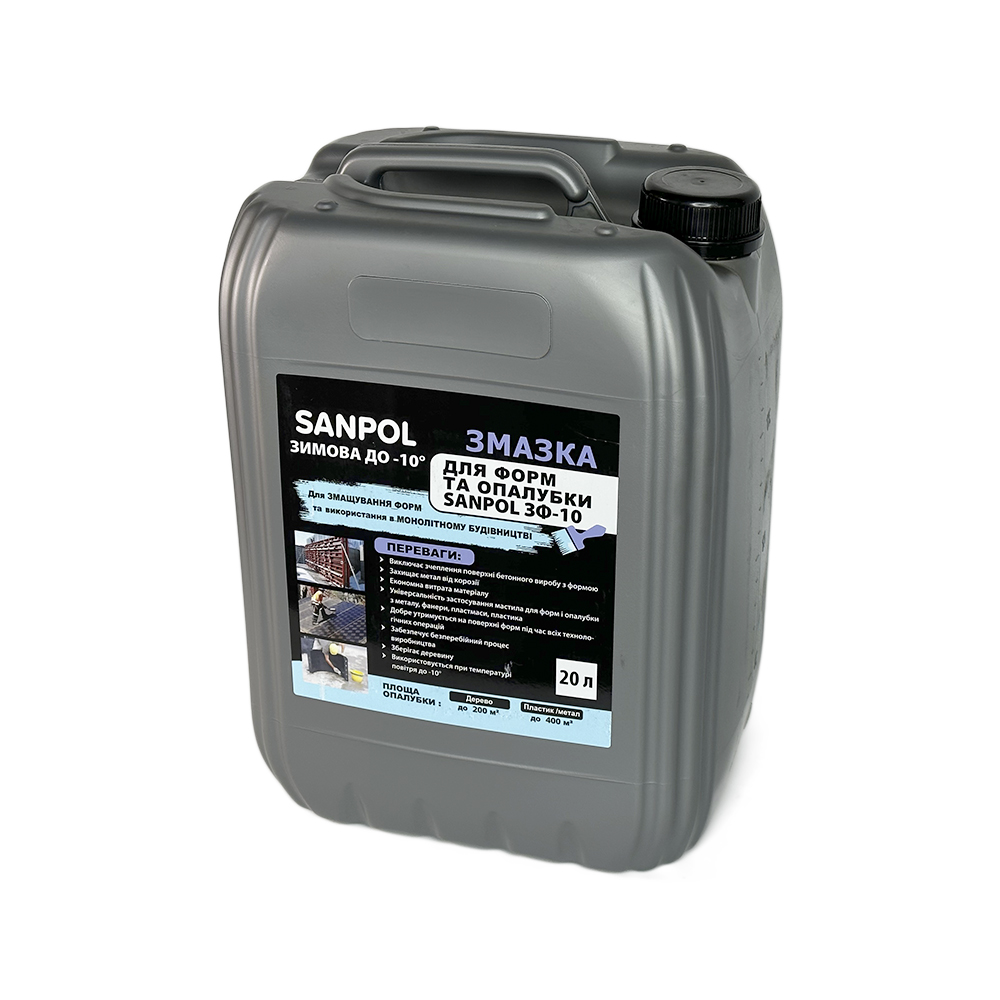
Winter grease remains liquid in frost and forms an even protective film on the shield. According to the manufacturer , winter grease for formwork ZF-10 works at minus temperatures down to −20 °C. It is also used on surfaces heated up to 80 °C, i.e. when steaming concrete.
According to the manufacturer, ZF-10 does not flow from vertical panels during vibration and does not damage varnish, plywood, plastic or metal. It additionally protects metal formwork from corrosion. For more information about the composition and application, read the article Winter formwork lubricant at sub-zero temperatures .
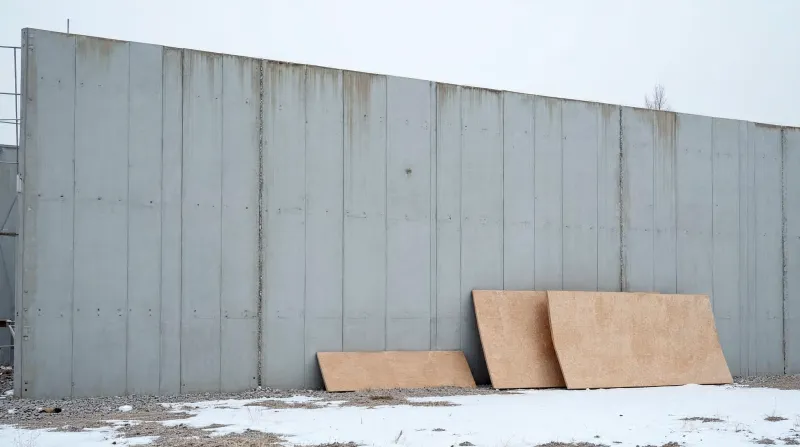
Below −20 °C, winter lubricant works outside the declared range. How to treat the formwork in such frost and whether to concrete at all is decided by the technologist together with the method of heating the concrete.
What lubricant to use at different temperatures
Choose the lubricant based on the lowest temperature you expect from application to concrete setting to release strength. The table below is based on the ZAP-11 and ZF-10 ranges.
| Air temperature | Oil | What to look out for |
|---|---|---|
| From +5 °C and above | Summer | Check the night forecast: it may be below +5 °C at night |
| From 0 to +5 °C | Winter | Summer is already out of its range |
| From −20 to 0 °C | Winter | The shield is cleaned of frost before application. |
| Below −20 °C | Technologist's decision | Outside the range of ZF-10, warm-up required |
| Steaming up to 80 °C | Winter or summer | Both lubricants are rated for 80 °C according to the data sheets. |
Consumption and application of lubricant in winter
The consumption of winter lubricant depends on the material of the shield. For ZF-10, the manufacturer indicates 1 liter per 20–40 m² of wooden surface and 1 liter per 65–80 m² of plastic or metal. Wood and unpolished plywood absorb lubricant, while metal and plastic do not, which is why the difference is so big.
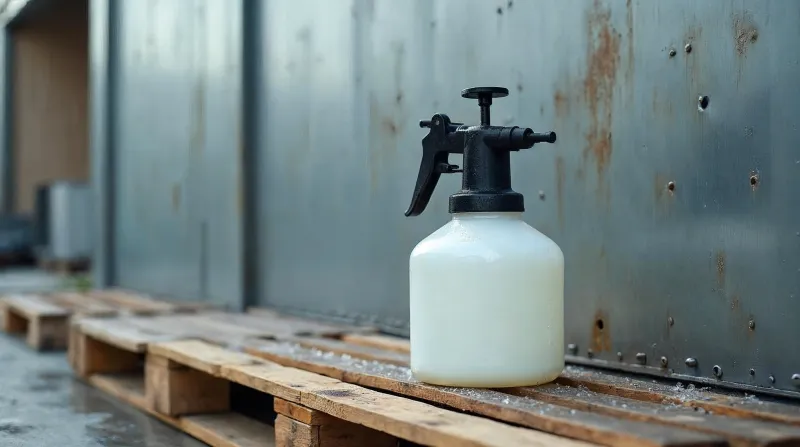
How to apply grease in cold weather:
- Remove snow, ice, and frost from the shield.
- Apply the grease in a thin, even layer, without streaks or puddles.
- Use a sprayer: according to the manufacturer, it reduces consumption by 20–30% compared to a roller or brush.
- Allow 10–15% for losses during application.
Summer grease thickens in the cold, so the layer is thicker and the consumption increases. How to calculate the required volume based on the area of the panels is discussed in the article on the consumption of grease for formwork .
Typical mistakes when choosing lubricant in the off-season
Most mistakes happen in the fall and spring, when it's warm during the day and freezing at night. Here's what to check before concreting:
- Add summer grease, because it is left over from the season. If the night temperature is below +5 °C, it is better to save the remaining grease until spring, and treat the shields with winter grease.
- Lubricate the shield with frost. The grease settles on the ice, not on the surface of the shield. Frost is removed before application.
- Dilute the lubricant by eye. Whether dilution is required and in what proportion is indicated in the instructions for a specific product. If you do not have the instructions at hand, check with the supplier.
- Apply a thick layer “just in case.” Excess grease does not improve shield separation, but only increases consumption.
- Only look at the daytime temperature. The lubricant should work the entire time the concrete is in the formwork, so look at the nighttime minimum.
If the object has shields made of different materials at the same time, the consumption is calculated separately for wood and separately for metal or plastic. This makes it easier not to make a mistake with the number of canisters.
When is summer oil enough, and when is winter oil needed?
Choose a summer lubricant if the temperature from application to removal of formwork will not drop below +5 °C. Choose a winter lubricant if the forecast for these days shows 0 to −20 °C or night frosts. If you expect frost below −20 °C, first agree with the technologist on the method of heating the concrete, and then select the lubricant for it.
Send a Protex technologist a drawing or photo of the formwork, the material of the panels, and the weather forecast. He will tell you which lubricant to use and how much you will need for your facility.
Common questions
Does the winter grease freeze on the shield?
According to the manufacturer, winter lubricant ZF-10 remains liquid and forms a protective film in frosts down to −20 ° C. Below this temperature, the method of formwork treatment is coordinated with the technologist.
Is it possible to lubricate the formwork with summer grease at +3 °C?
No. According to the product card, summer lubricant ZAP-11 is designed for operation from +5 °C. At lower temperatures, winter lubricant is used.
Is it necessary to dilute formwork lubricant?
It depends on the product. Whether dilution is required and in what proportion is indicated in the instructions on the container. If in doubt, check with the supplier or Protex technologist.
How much winter grease is needed for 100 m² of shields?
For ZF-10, the manufacturer indicates 1 liter per 20–40 m² of wooden surface and 1 liter per 65–80 m² of plastic or metal. That is, for 100 m² of wooden panels, approximately 2.5–5 liters will be needed, for metal panels about 1.3–1.5 liters, plus a margin of 10–15%.


_228_1782911367.png)
