


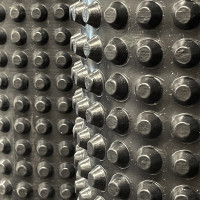

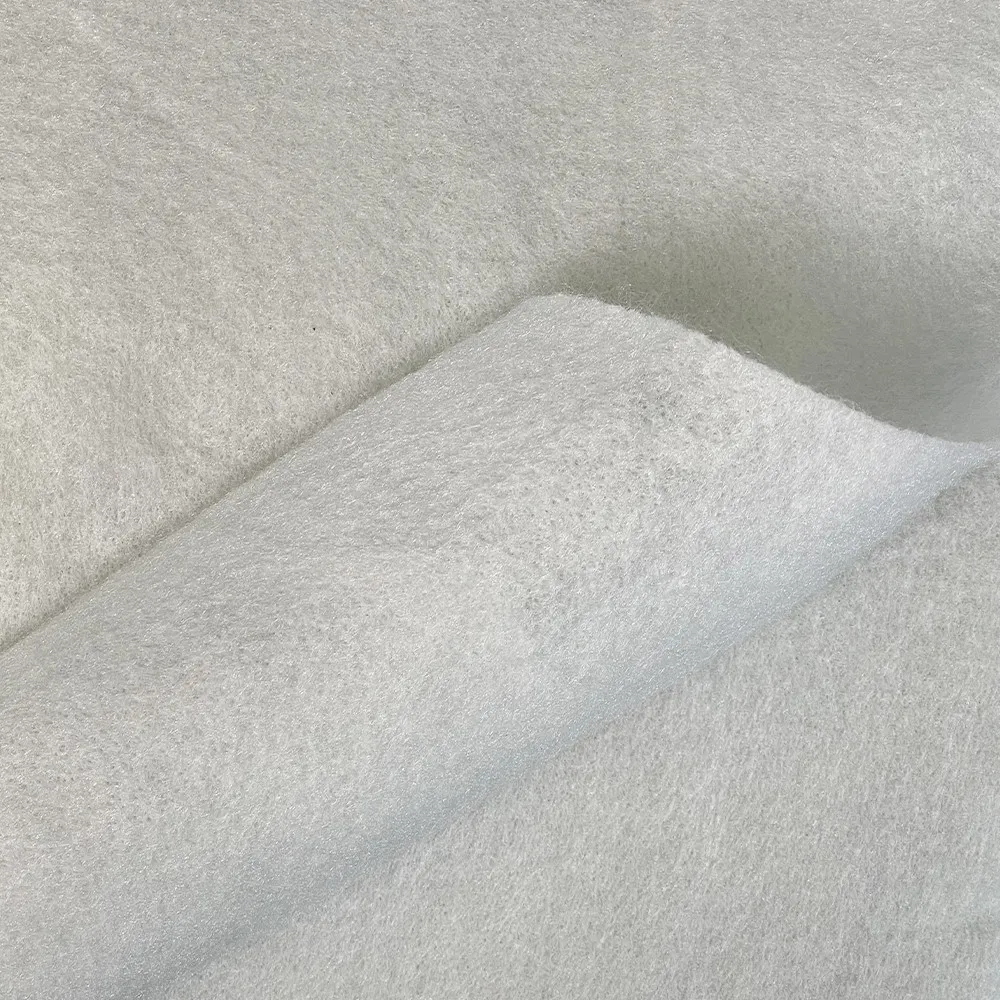
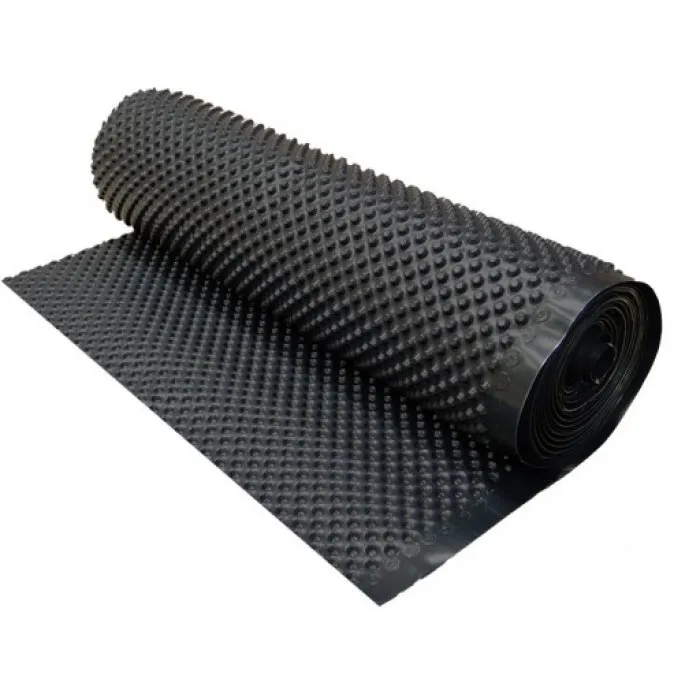
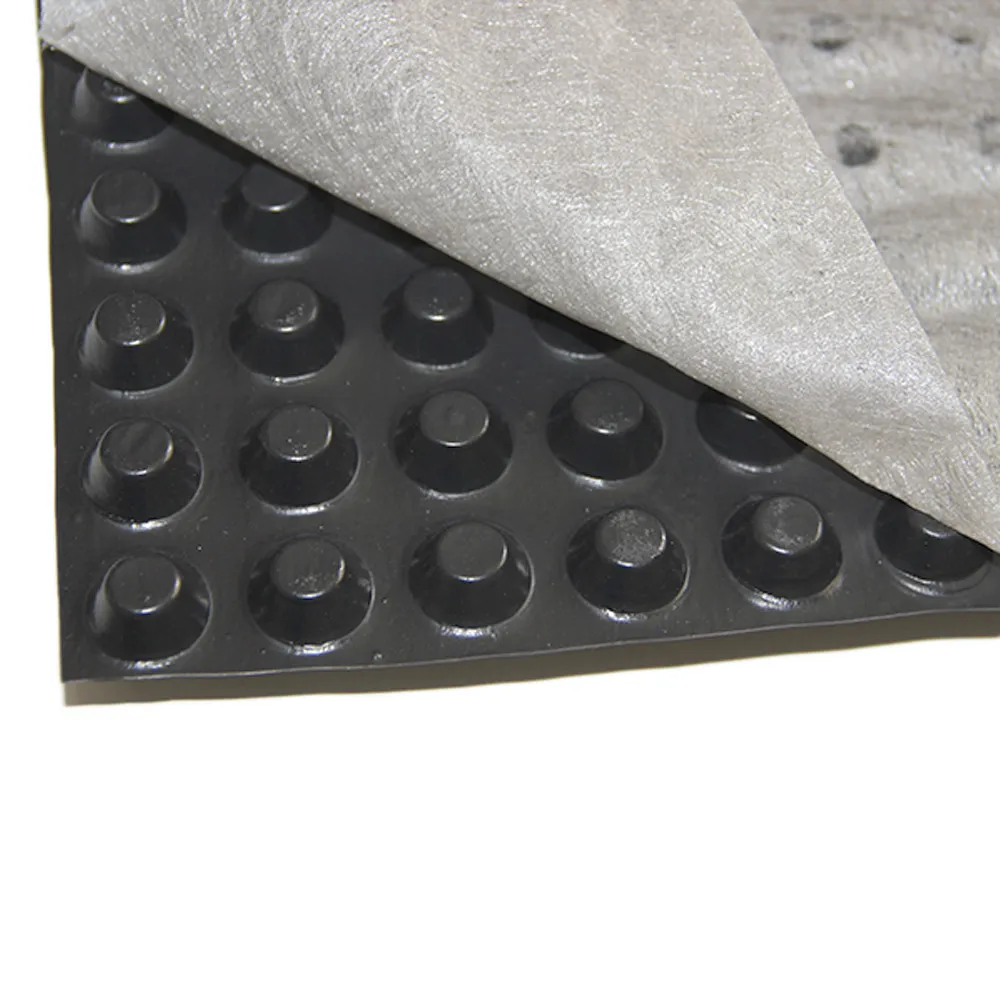
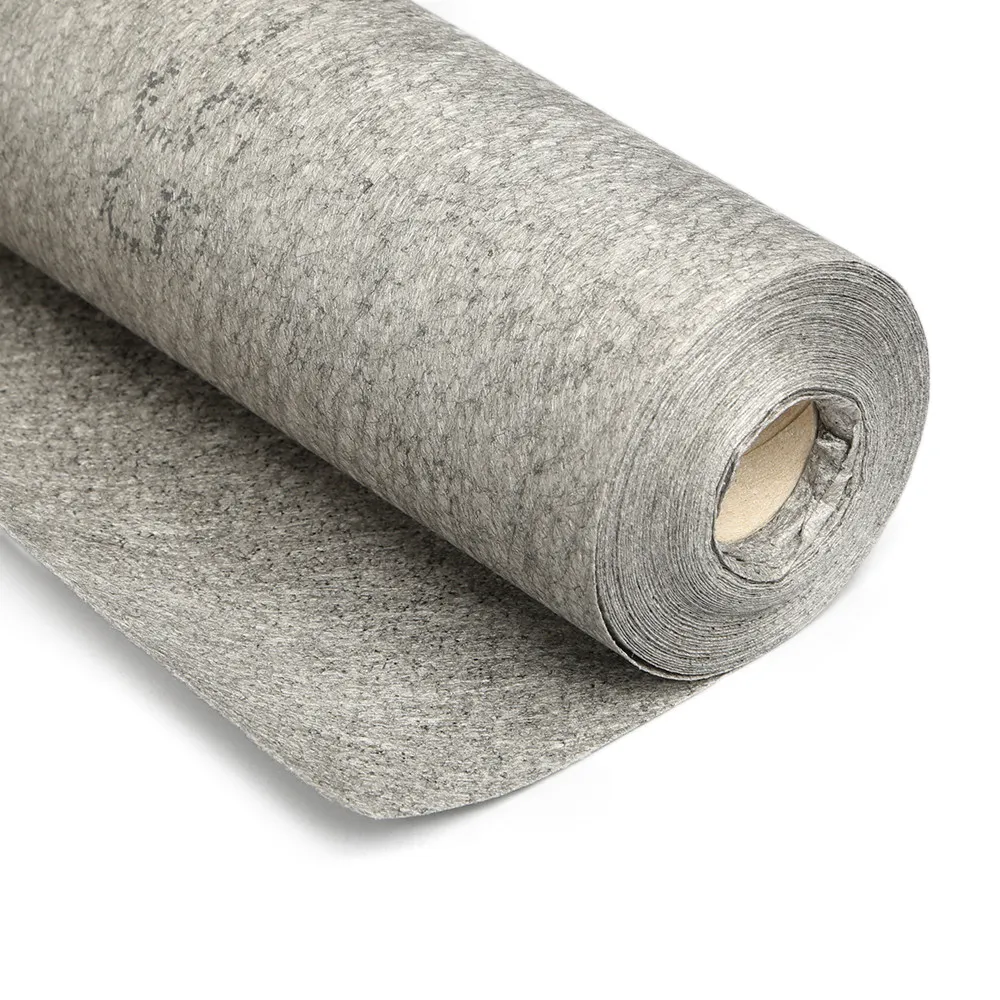
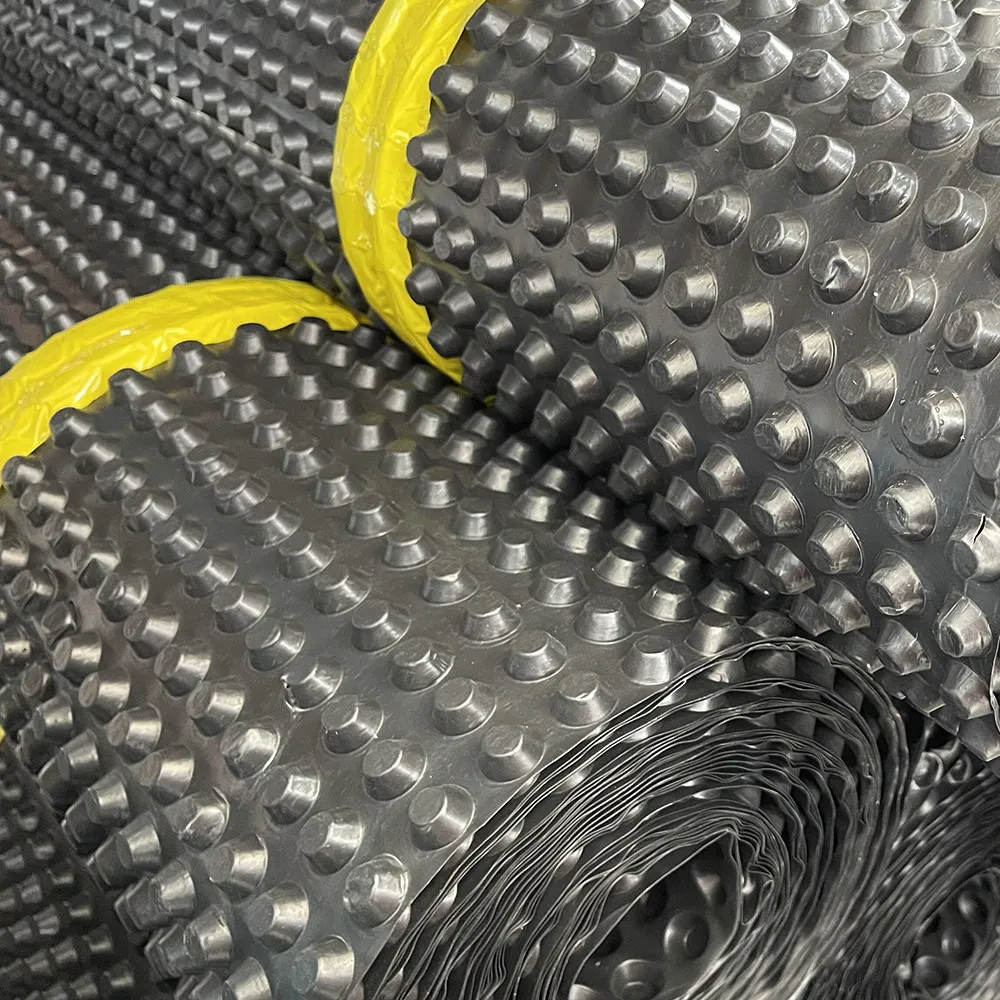
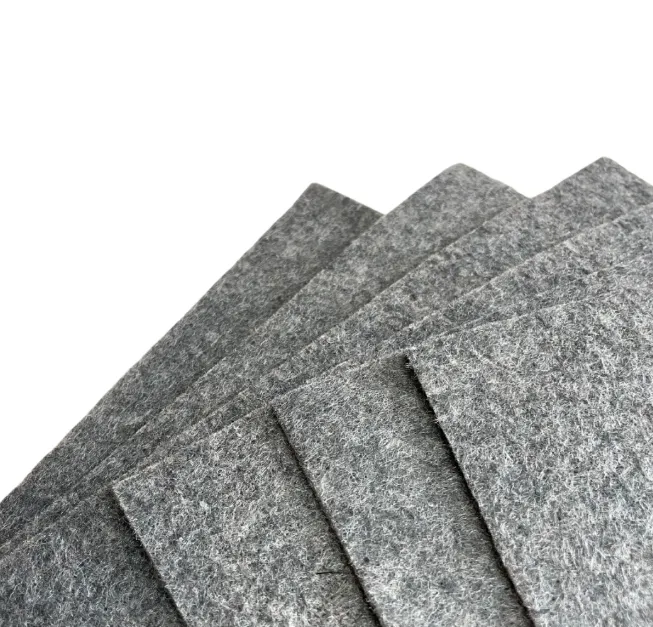
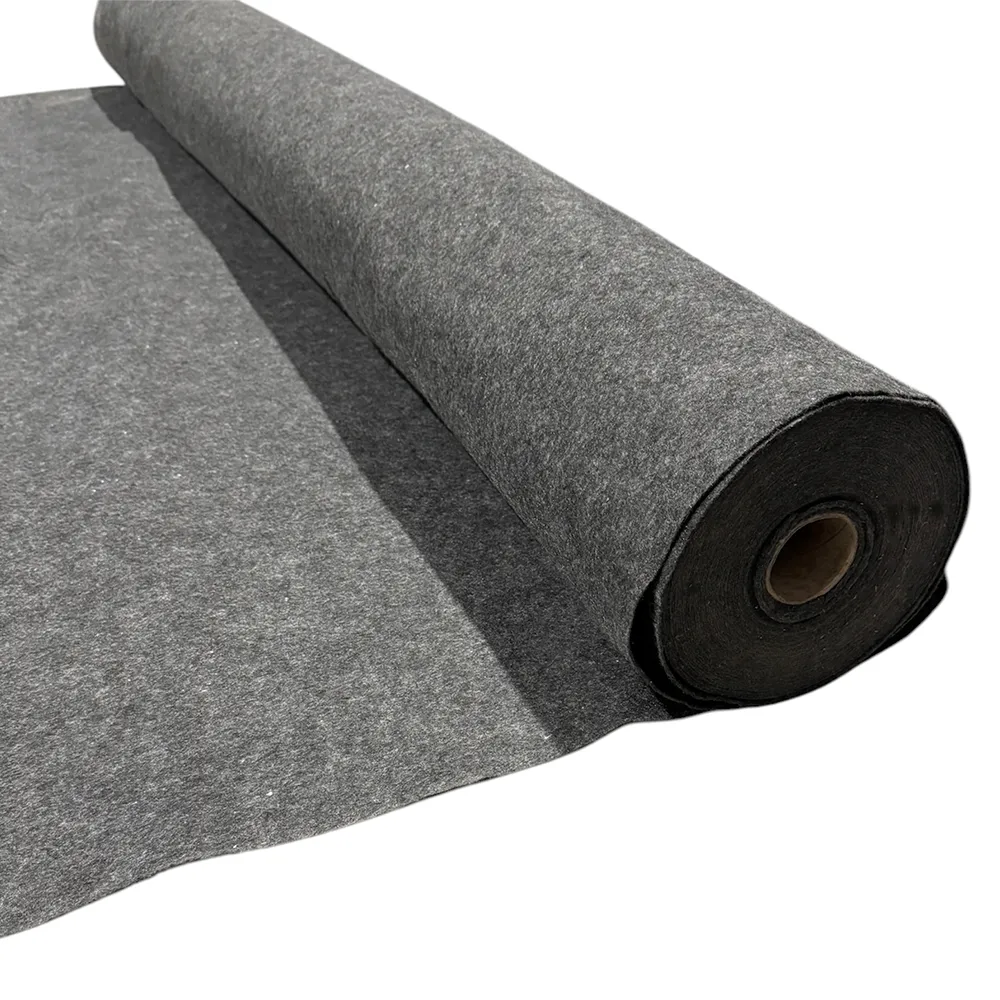
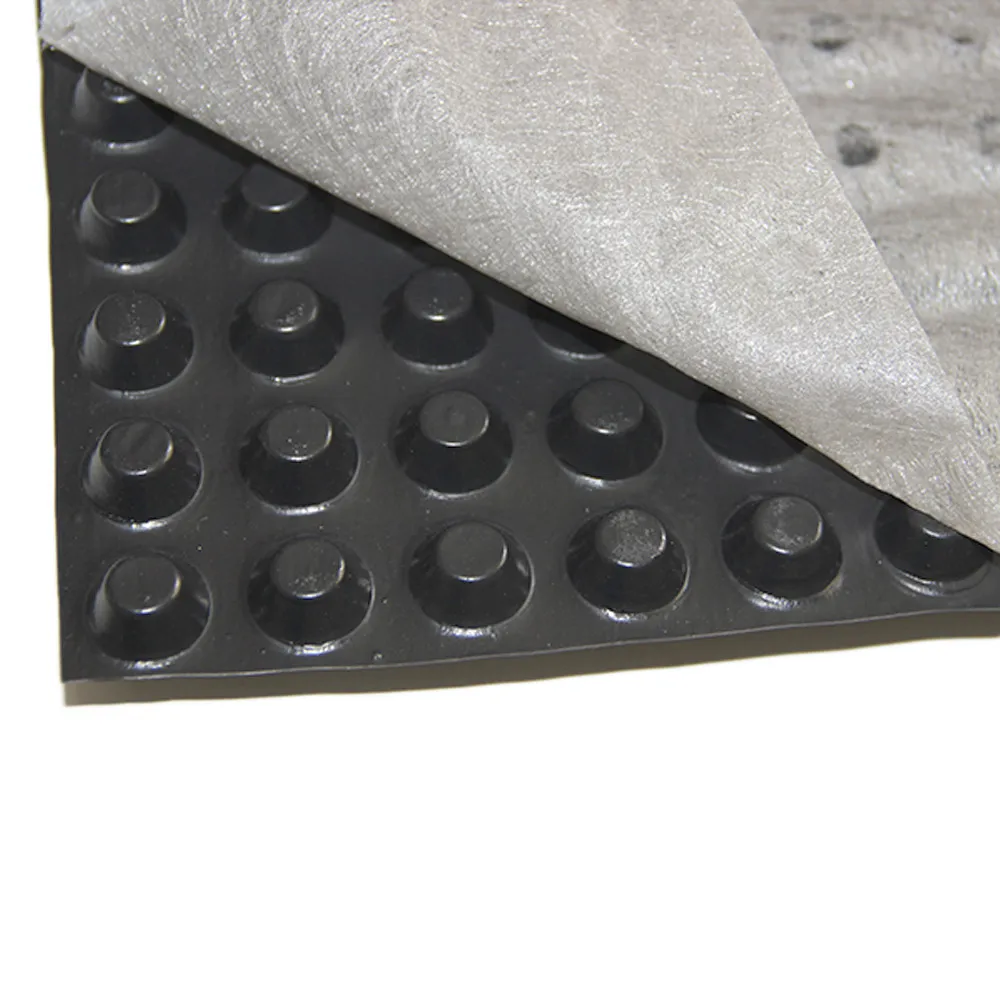
Spike-shaped membrane with geotextile SNTDrain 550 g/m2 + 150 g/m2, 2x20 m
Product code: 0335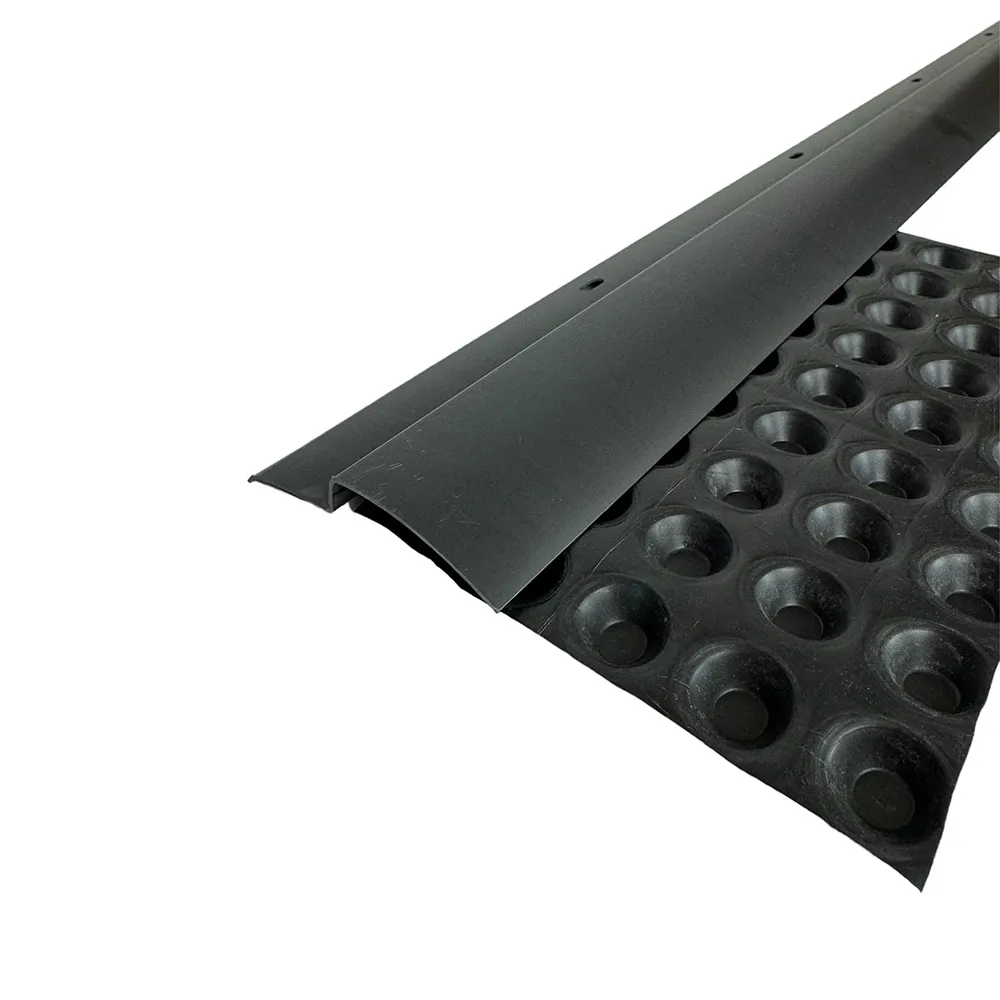
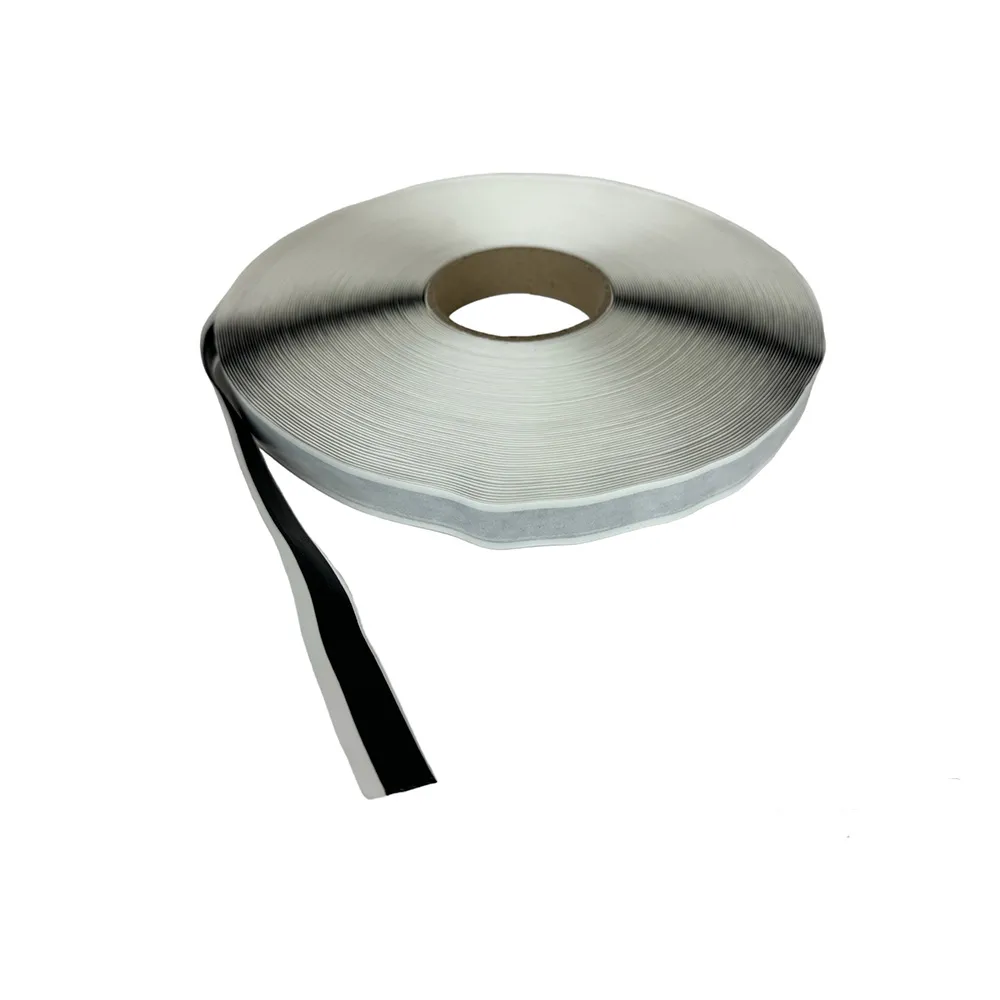
Sealant tape K2 for gluing spiked membrane, width 15 mm, thickness 1.5 mm, 45 m.p.
Product code: 0035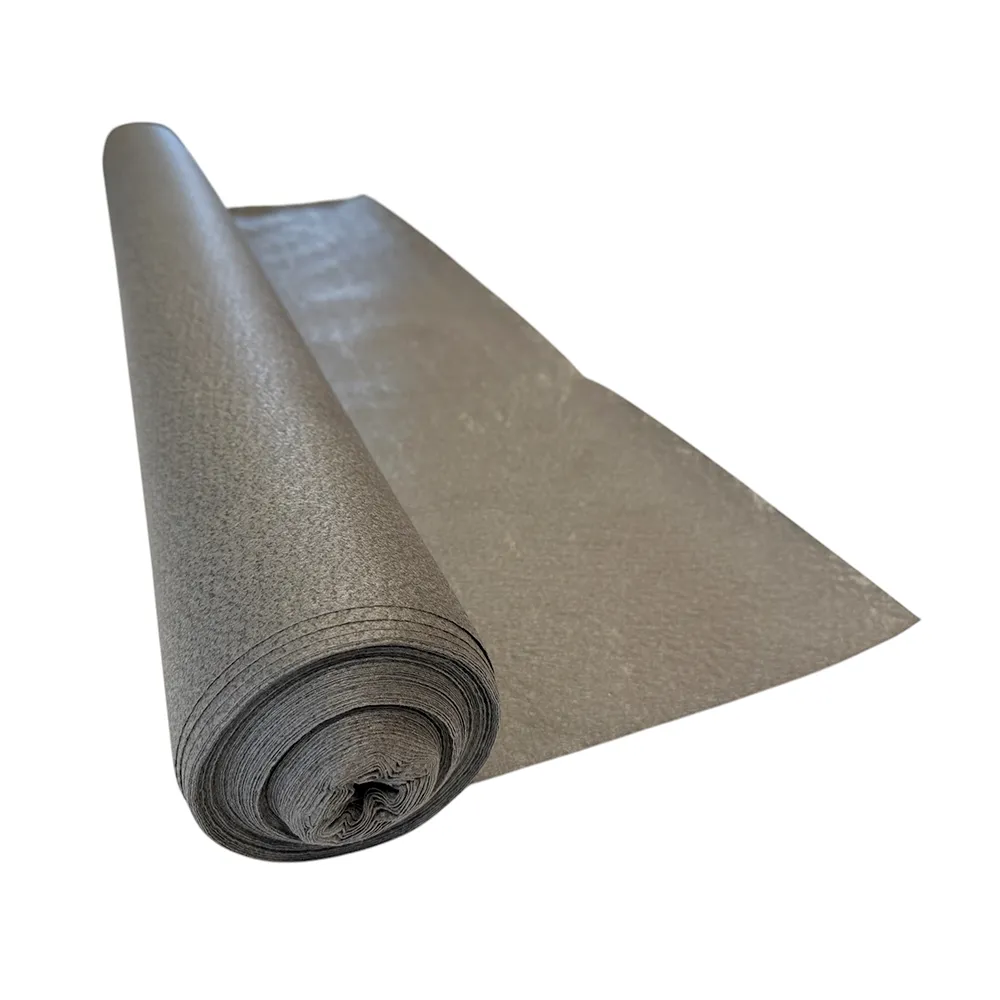
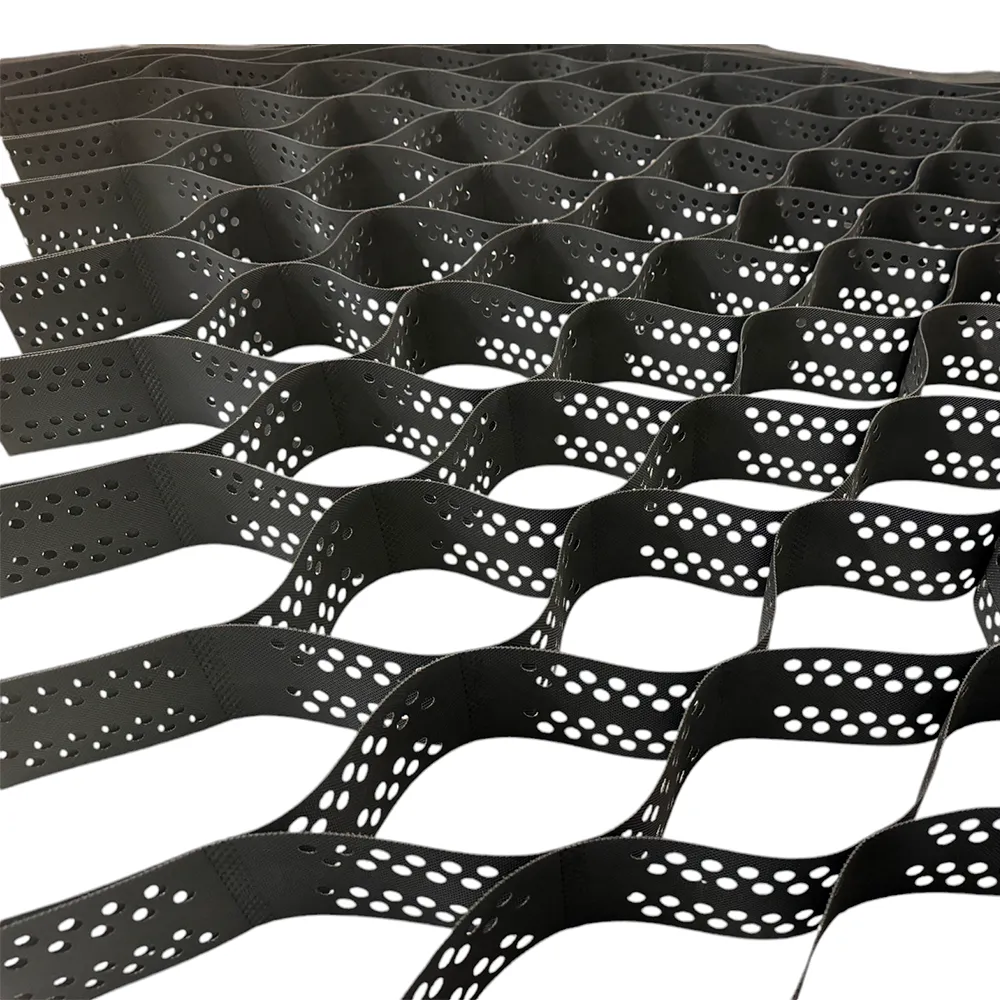
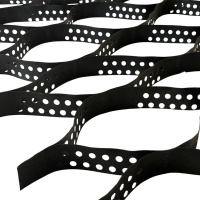
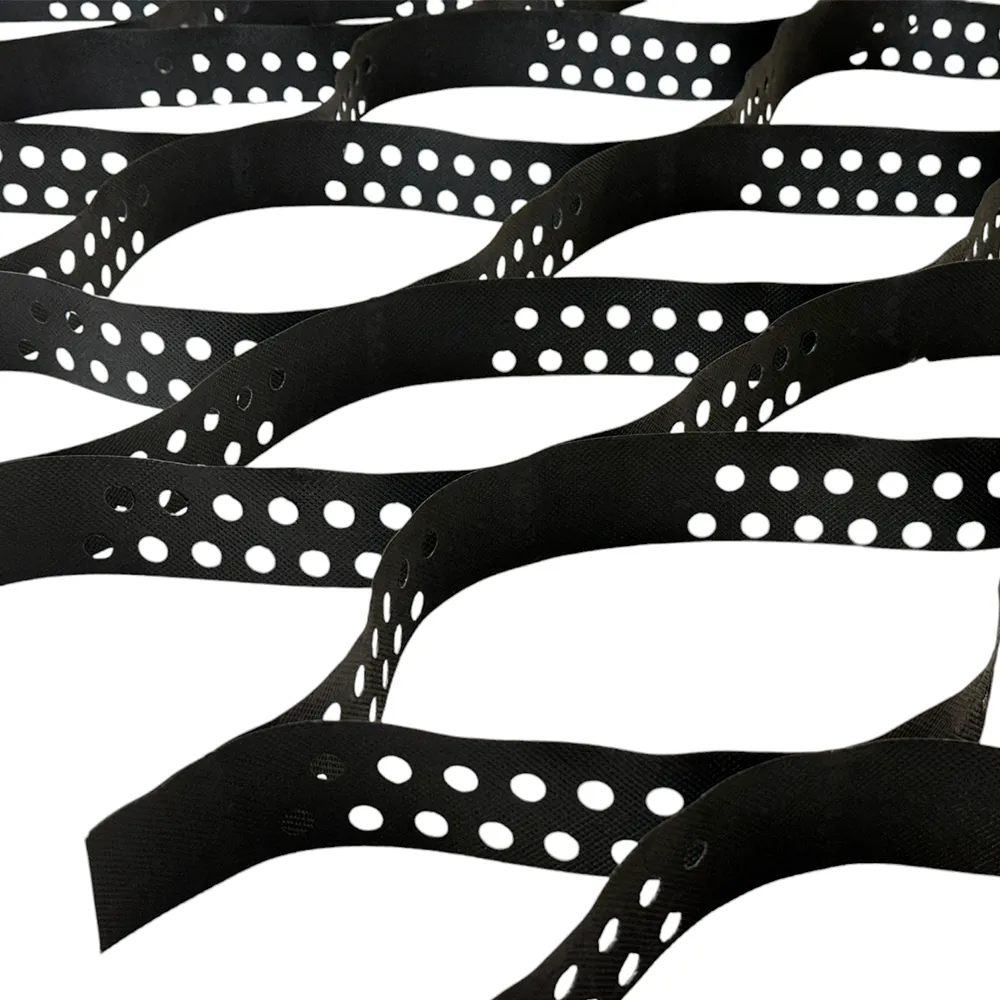
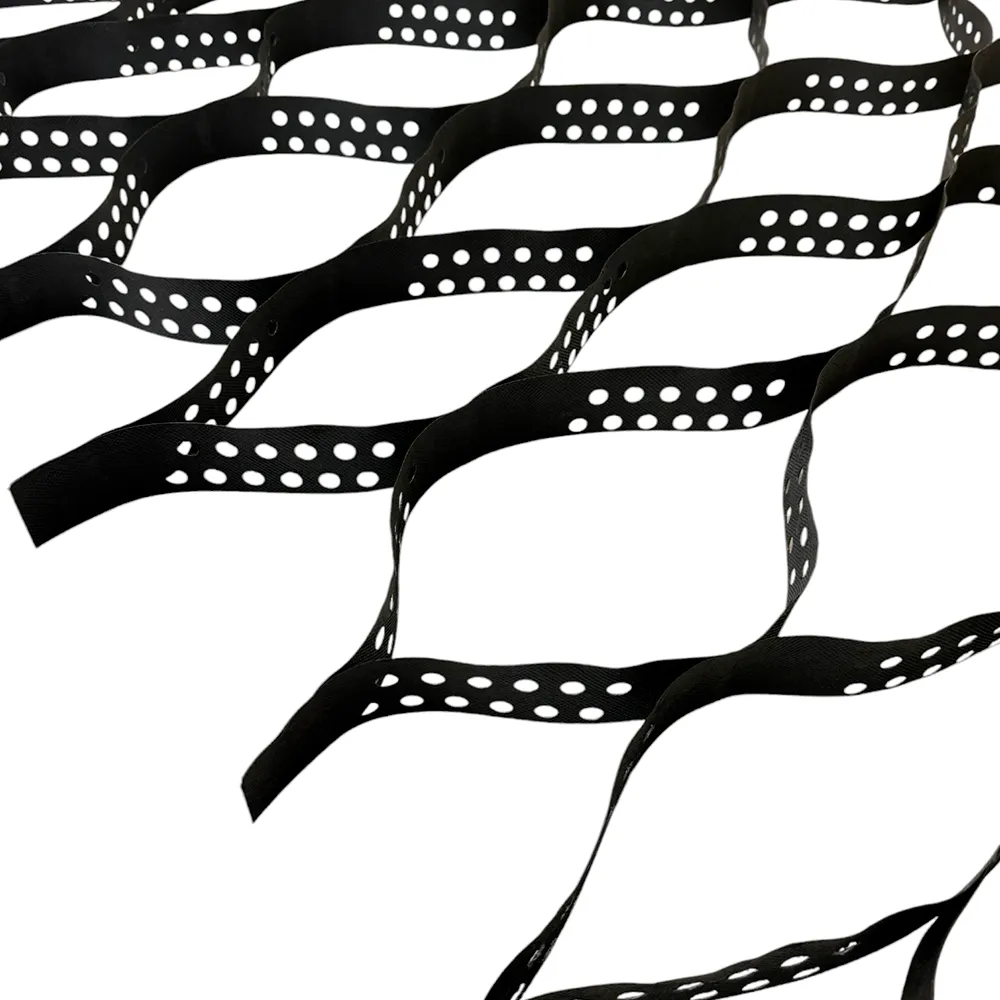
Volumetric geogrid GR 20/15, height 15 cm, cell 16x16 cm, size 3x4 m (12 square meters)
Product code: 0413
Volumetric geogrid GR 20/20, height 20 cm, cell 16x16 cm, size 3x4 m (12 square meters)
Product code: 0410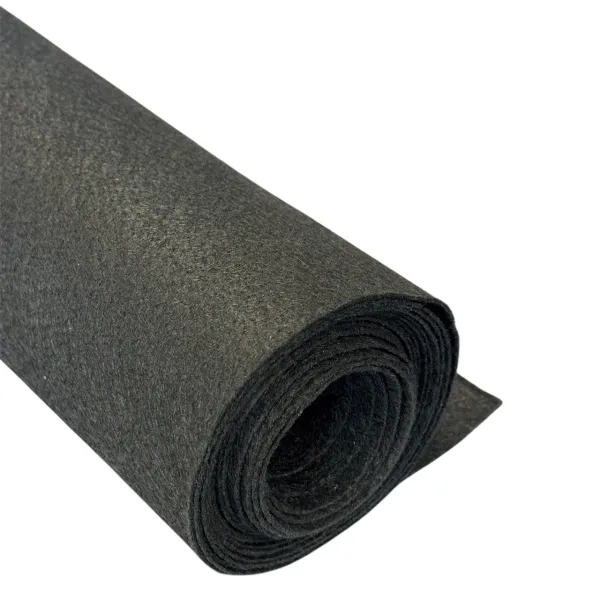
Geosynthetics are innovative construction materials that are widely used for soil reinforcement, drainage, waterproofing, and protection of engineering structures. The most popular types of geosynthetics include studded membranes, geotextiles, and geogrids.
 Spiked membrane : effective drainage and protection
Geomembrane , also known as profiled or spiked membrane, is a waterproof material that is actively used in construction to protect structures from moisture and condensation. Thanks to special spikes on its surface, it provides effective drainage and mechanical protection of waterproofing and thermal insulation.

Purpose and application of the thorny membrane
- Draining water from structures, preventing its accumulation.
- Protection of waterproofing and thermal insulation materials from mechanical damage.
- Creating an additional layer of noise insulation due to its cellular structure.
- Protection of foundations and floor coverings from capillary rise of moisture.
- Use in road construction and construction of underground structures.
Geotextiles : reinforcement and filtration
Geotextiles are nonwoven or woven materials made from synthetic fibers. They are used to reinforce the base, prevent erosion, and filter water. 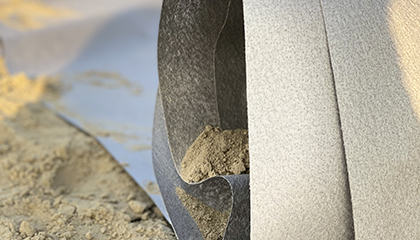
Main functions of geotextiles:
- Soil reinforcement – used to stabilize slopes, roads, and foundations.
- Filtration – promotes water drainage, preventing different soil layers from mixing.
- Layer separation – prevents gravel, sand and soil from mixing.
- Drainage – used in drainage systems.
Geogrids : strengthening structures
Geogrids are three-dimensional structures made of polymeric materials that are used to reinforce road surfaces, slopes, and foundations. They provide uniform load distribution and reduce soil subsidence. 
Application of geogrids:
- Road construction – strengthening the base of the roadbed.
- Building embankments – prevents landslides and erosion.
- Strengthening slopes and embankments increases soil stability.
- Foundations – used to increase the bearing capacity of the soil.
 Geosynthetic materials, including studded membranes, geotextiles, and geogrids, significantly increase the durability and reliability of building structures. They help improve drainage, strengthen soil, protect insulation materials, and reduce construction and operation costs. The use of geosynthetics guarantees the quality and efficiency of modern construction.
