_239_1789114074.png)
Foundation waterproofing is the foundation of the durability of any building, which is often forgotten during hasty construction. Concrete, despite its apparent strength, has a porous structure. Without reliable protection, it acts like a sponge, absorbing groundwater and capillary moisture. One of the most effective and modern solutions for creating a flawless waterproof barrier is bitumen-rubber mastic (liquid rubber). In this article, we will analyze why this material has become the gold standard in construction and how it protects your home from destruction and mold.
Why does concrete need protection?
When groundwater or soil moisture comes into contact with unprotected concrete, a chain reaction is triggered:
1. Capillary suction: The smoke rises up the walls, reaching the living rooms.
2. The appearance of mold: In damp rooms, black fungus, which is dangerous to health, instantly develops.
3. Winter Destruction: Freezing in the pores of concrete, water expands and forms microcracks that, over the years, tear apart the foundation.
4. Corrosion of reinforcement: Rusting of the metal frame inside the concrete critically reduces the stability of the entire house.
Advantages of bitumen-rubber mastic over other materials
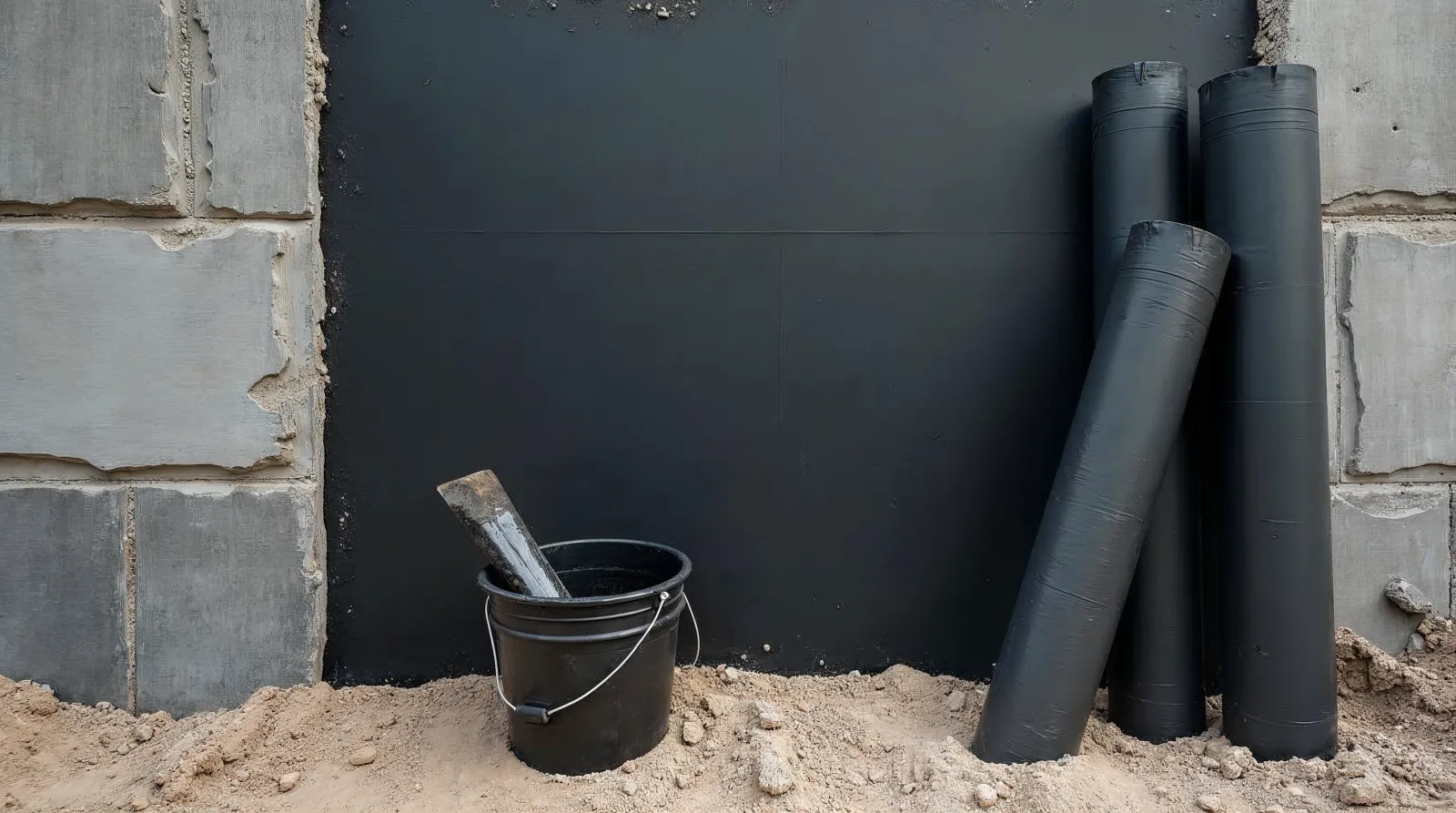
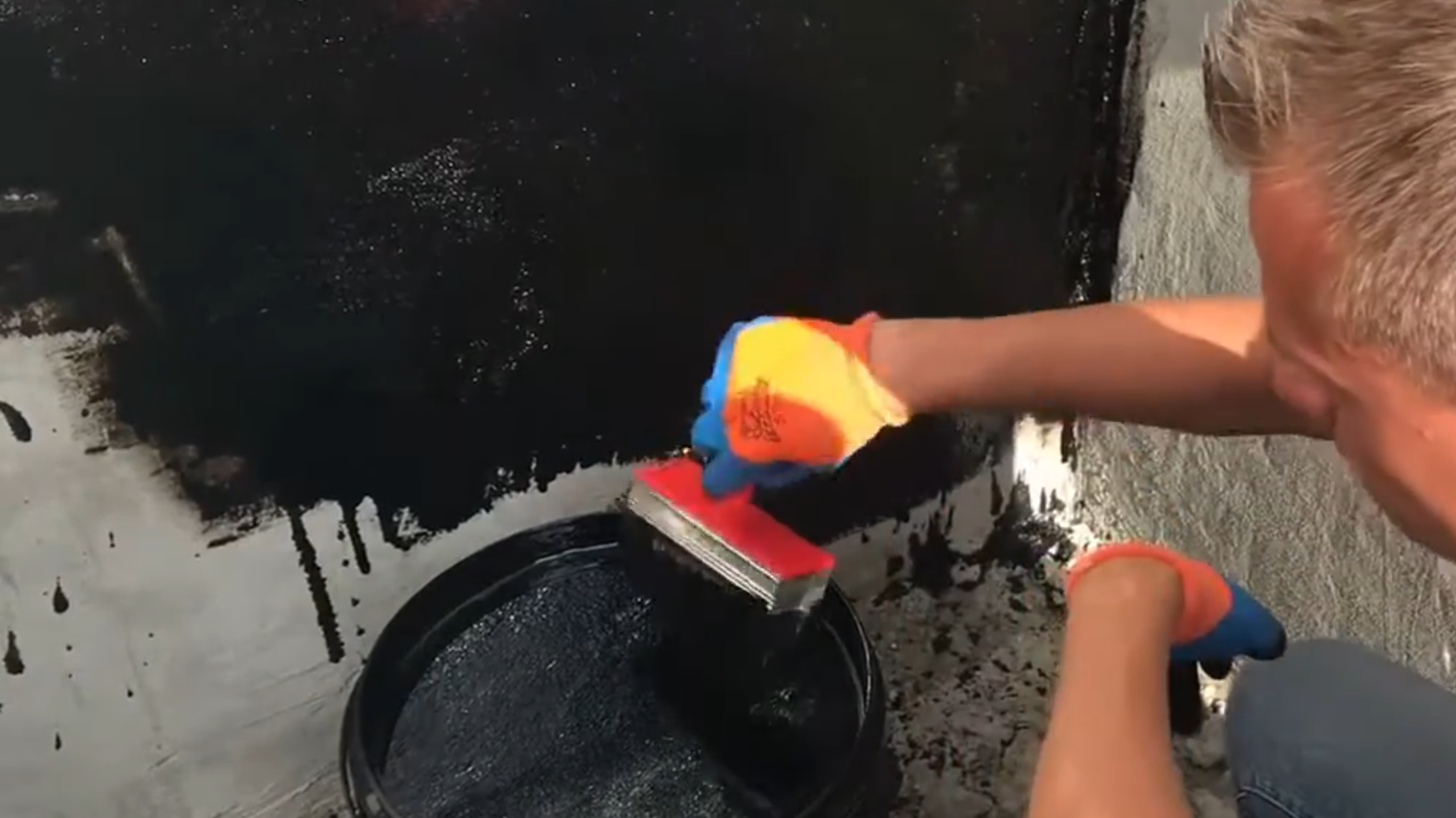
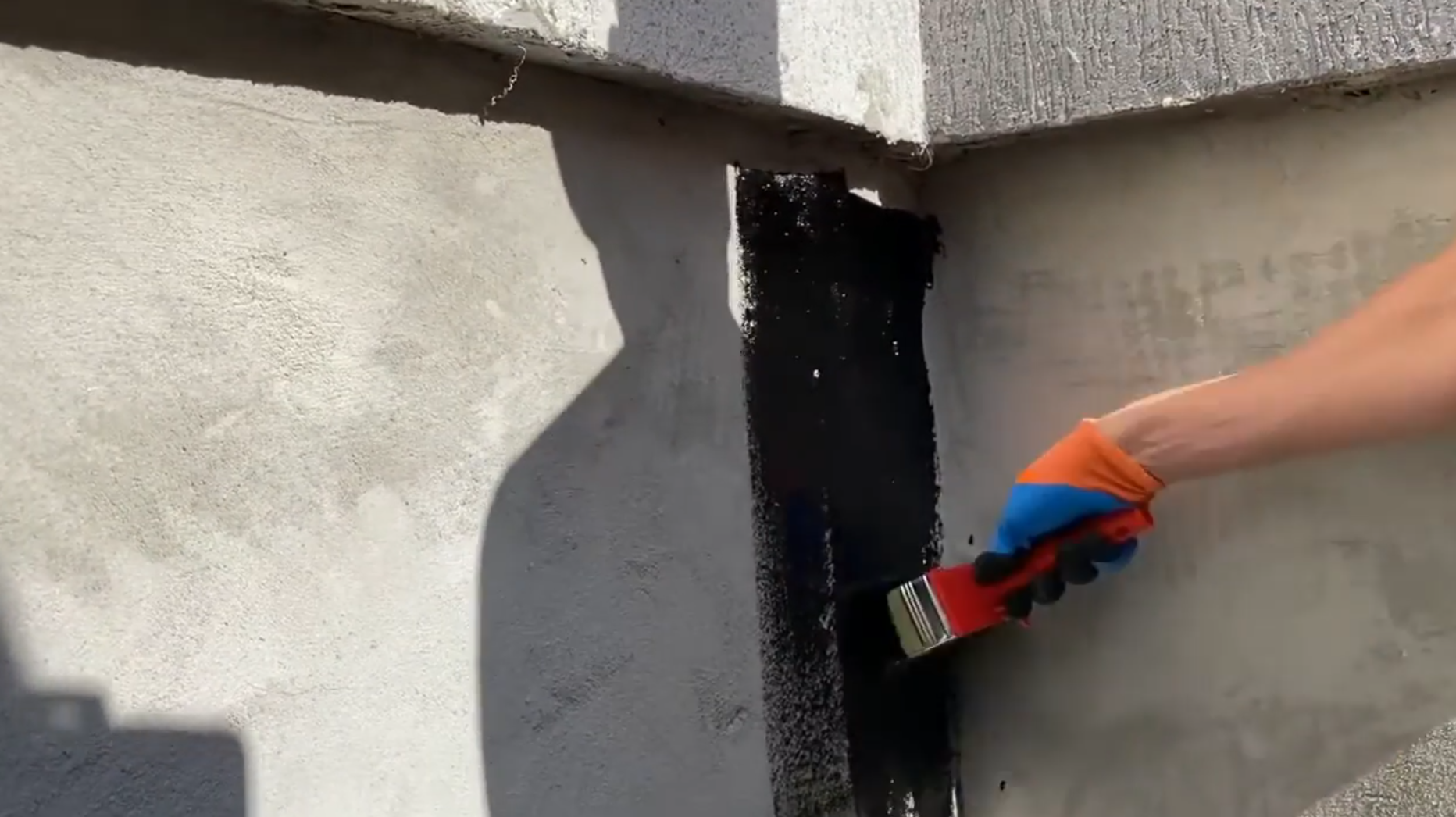
Bitumen-rubber mastic is a mixture of high-quality petroleum bitumen, synthetic rubber, plasticizers and solvents. Unlike ordinary bitumen, which cracks in the cold, the addition of rubber completely changes the properties of the material. The main secret of bitumen-rubber mastic is its molecular memory and elasticity. Even if microcracks (up to 1-2 mm) appear on the concrete during the shrinkage of the house, the elastic rubber film will simply stretch, but not tear, continuing to hold back water.
| Characteristic | Ordinary bitumen / roofing felt | Bitumen-rubber mastic |
| Elasticity | Low (cracks from temperature fluctuations) | Ultra-high (stretches and compresses without tearing) |
| Seams and joints | Many joints (rolled materials often leak at the seams) | Absolutely seamless monolithic coating |
| Adhesion (grip) | Requires heating with a torch for reliable bonding | Maximum adhesion to any concrete surface |
| Resistance to aggressive environments | Medium | High resistance to alkalis and acids found in the soil |
Expert experience: why we choose ADW Izoplast Dysperbent
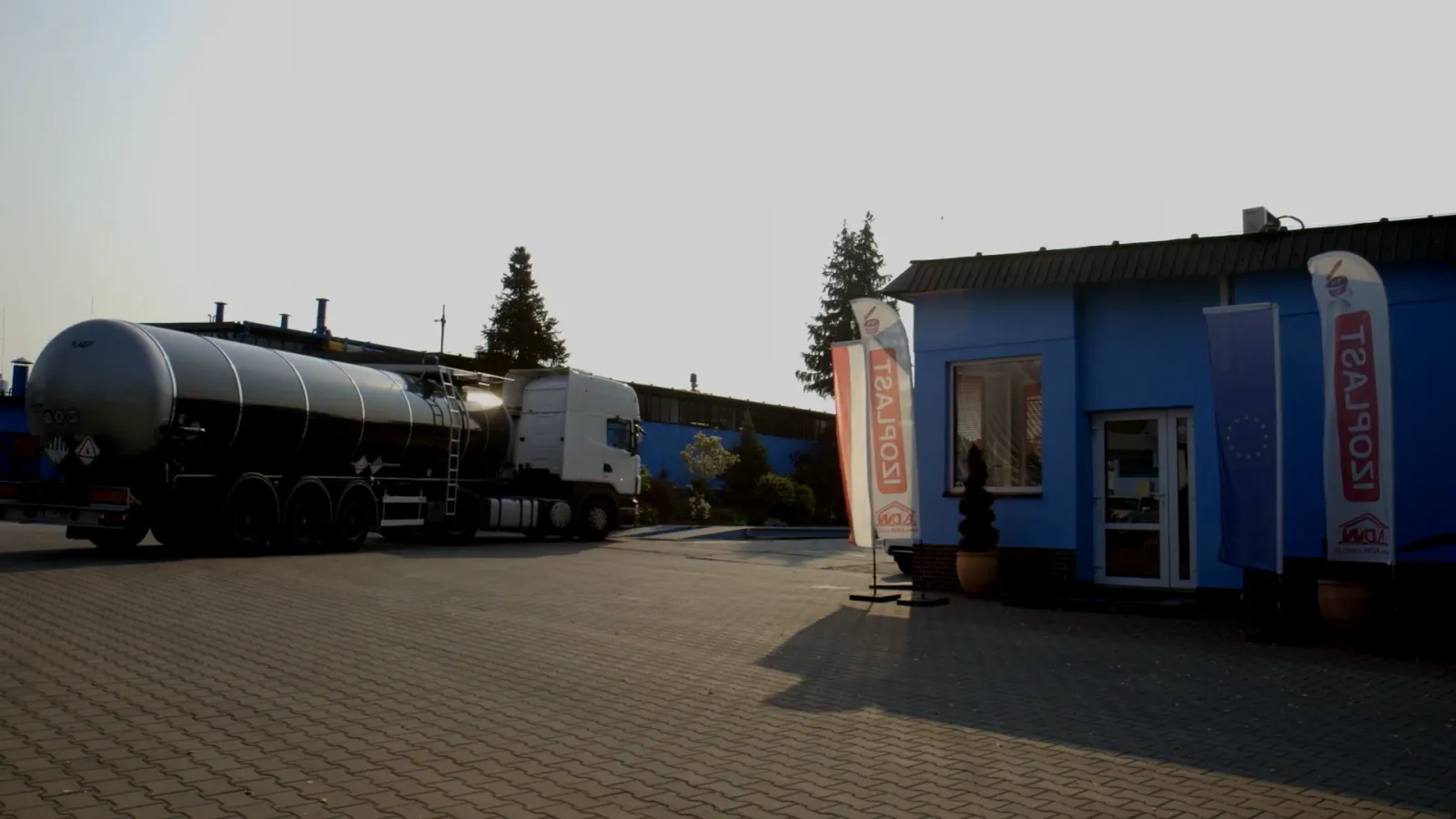
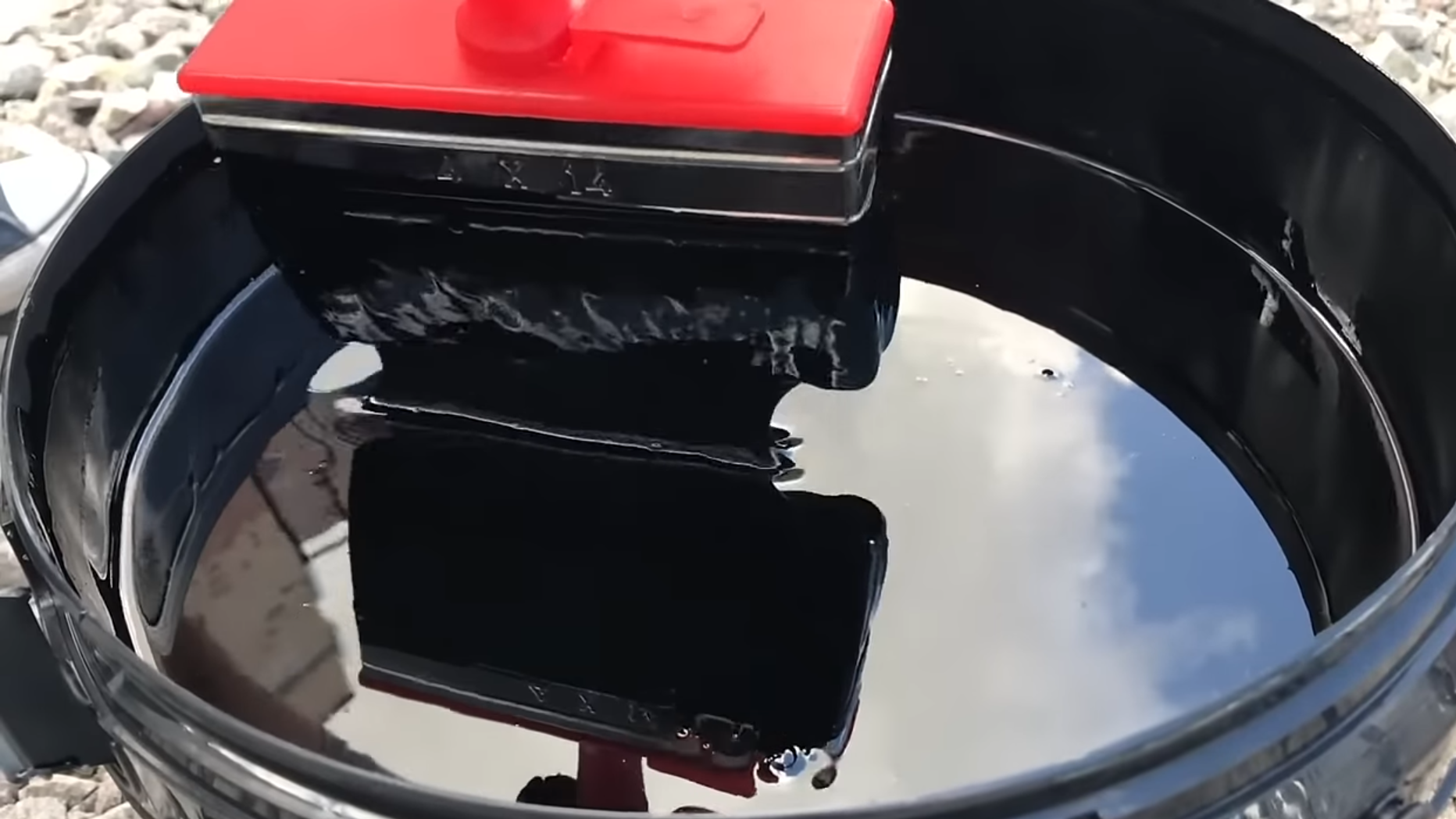
Our company’s many years of practical experience and hundreds of successfully completed projects have proven that not all mastics are equally effective in real Ukrainian conditions. For uncompromising protection of foundations, we recommend using ADW Izoplast Dysperbent bitumen-rubber mastic.
This is a dispersed water-based bitumen-rubber mixture that has unique advantages:
— Working on wet surfaces: Unlike organic solvent-based products, Izoplast Dysperbent can be applied to slightly damp, matt-dry concrete substrates. This significantly speeds up the pace of construction, as there is no need to wait for the concrete to dry perfectly after rain.
— Safety and environmental friendliness: Mastic does not contain harmful solvents and does not have a pungent toxic odor. This allows it to be safely used not only outdoors, but also inside basements or garages.
— Resistance to aggressive soil: The created coating reliably protects the foundation from chemical compounds contained in groundwater and does not lose flexibility even at sub-zero temperatures.

Proper application technology: 4 simple steps
For the material to work 100%, you must follow the correct technology:
1. Surface preparation. The concrete is cleaned of dust, dirt and cement laitance. Sharp protrusions are knocked down, and deep potholes are filled with repair mortar.
2. Priming. Applying a bitumen primer is mandatory. It penetrates deeply into the pores of the concrete, binds microdust and guarantees perfect adhesion of the base mastic to the foundation.
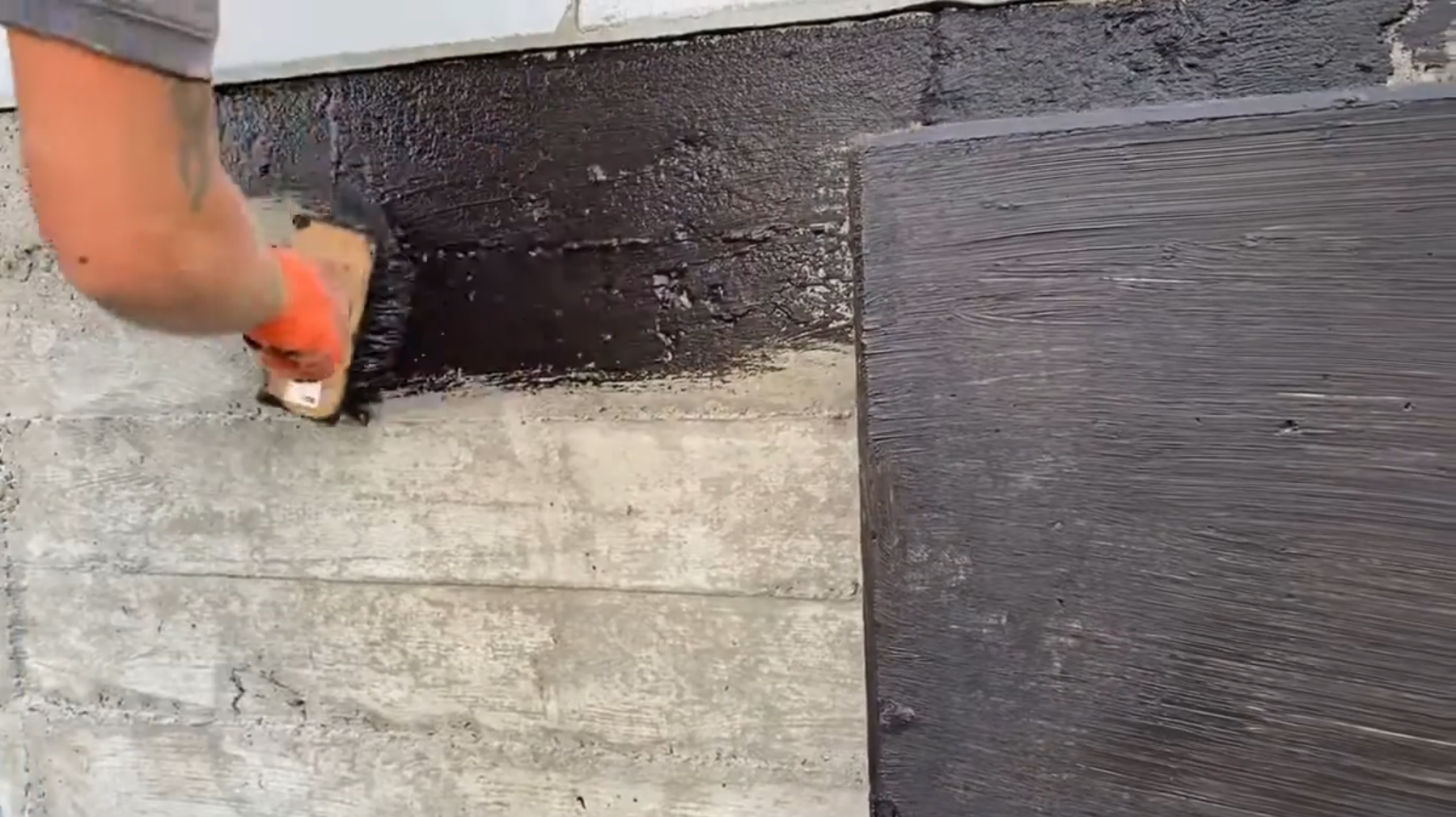
3. Applying mastic. Mastic is applied using rollers, brushes or by mechanized spraying. It should be applied in 2 layers using the «cross-cross» method. Each subsequent layer is applied only after the previous one has completely dried.
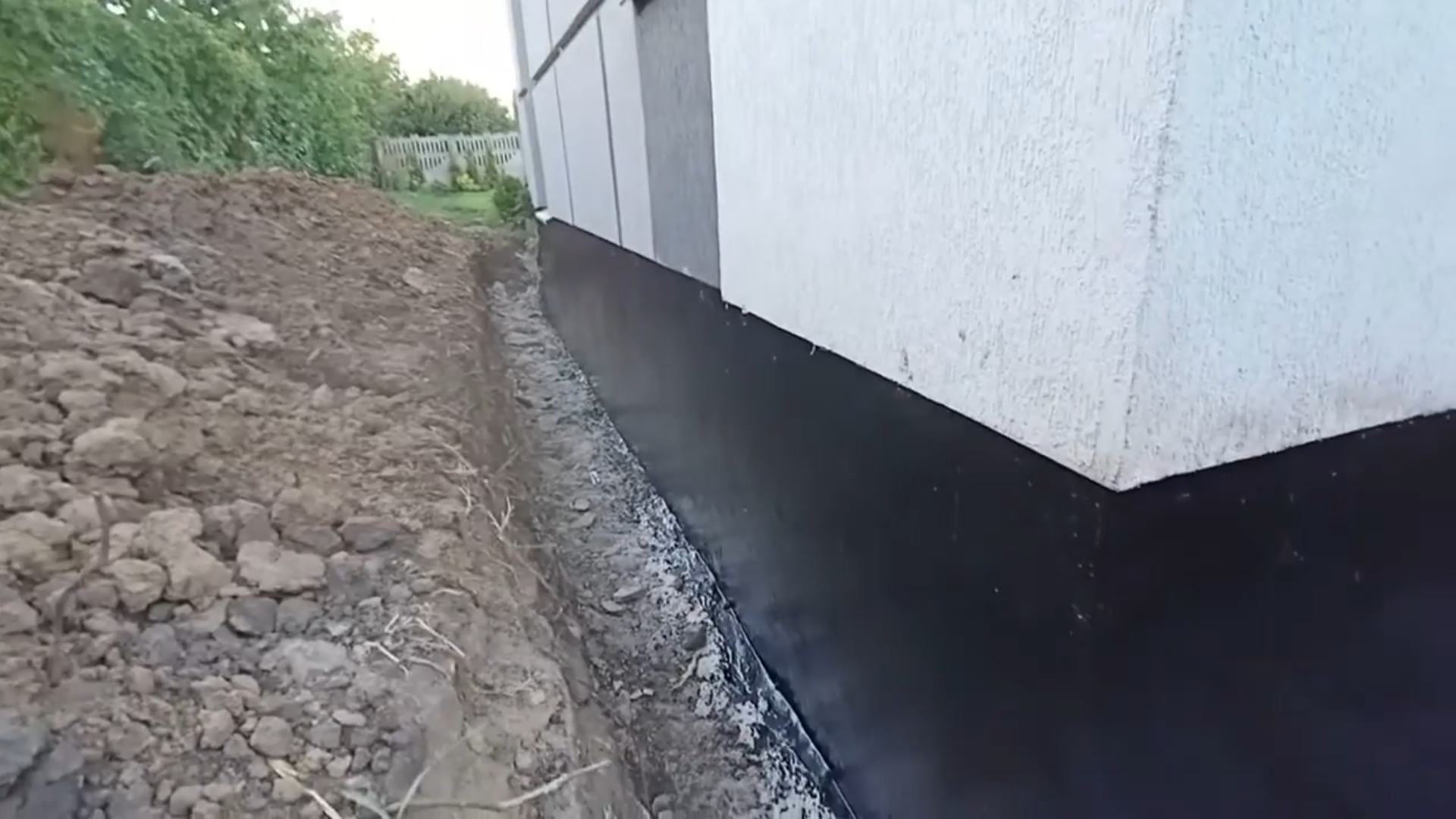
4. Layer protection. Before filling the soil, the waterproofing film must be protected from mechanical damage (stones or roots). Extruded polystyrene foam boards, which also serve as insulation, as well as a spiked membrane, are ideal for this.
Saving on foundation waterproofing means problems in the future: repairing a damaged foundation and combating fungus in an already built house will cost tens of times more. Using bitumen-rubber mastic is an investment in the peace and health of your family, which guarantees that your home will remain dry, warm and strong for many decades.