_245_1793607308.png)
The foundation is the basis of the safety of the entire building. Any mistake at the stage of its protection from moisture does not manifest itself immediately, but after 2–3 years in the form of damp walls, fungus in the basement or cracks in the concrete. Correcting such miscalculations is many times more expensive than the initial work, because you will have to dig up the perimeter of the house again.
These are the top 5 most common mistakes that developers make when choosing and installing waterproofing, and a ready-made professional solution to avoid them.
1. Saving on quality and buying «no-name» mastics
The desire to save money makes people choose the cheapest bitumen mixtures of unknown origin. Such materials are usually made of low-quality petroleum bitumen without the addition of polymers. After the first winter, they lose their elasticity, become brittle from frost, and crack along with micromovements of the foundation.
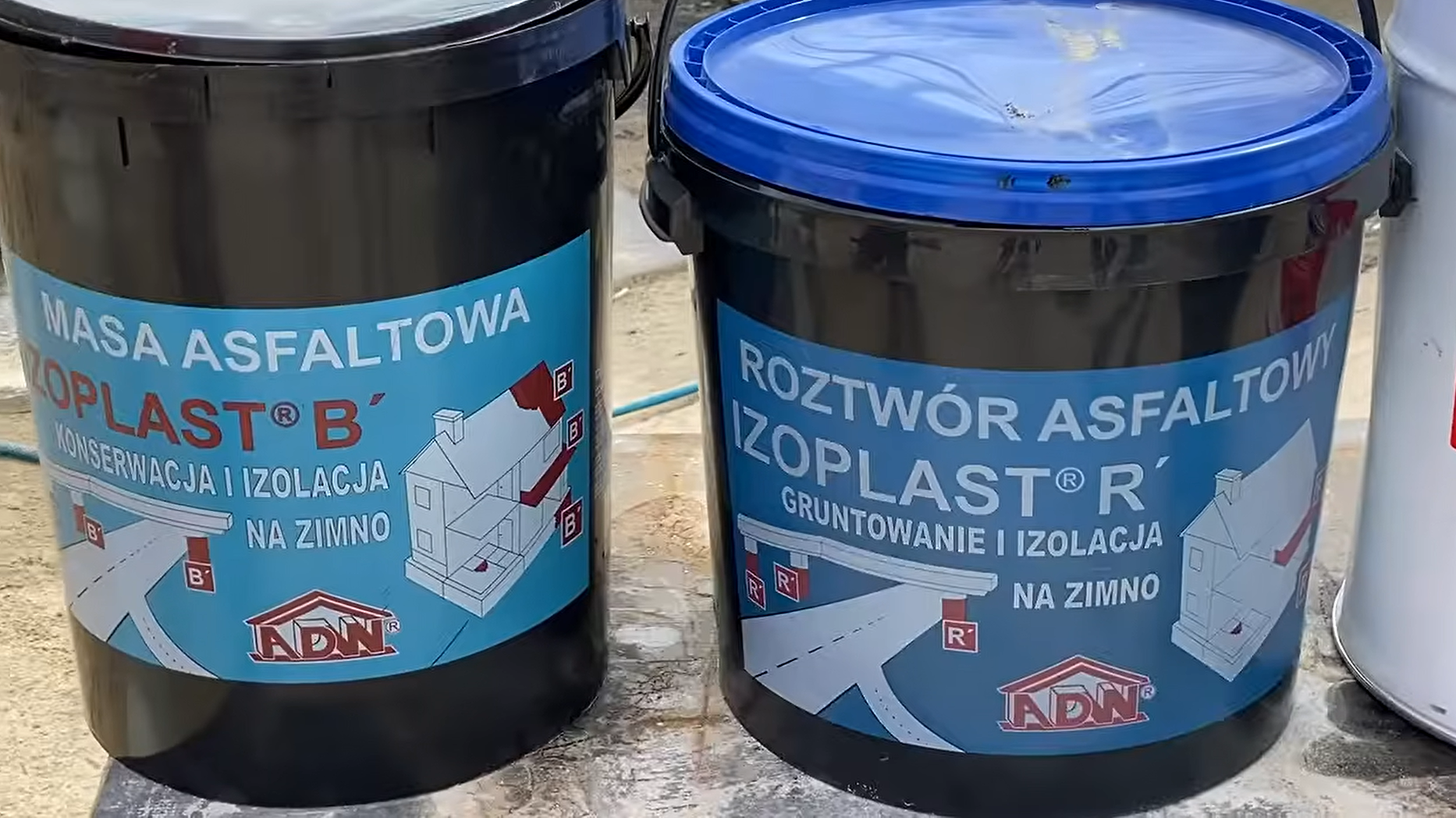
• Reliable solution: Use certified European materials, such as the professional line of Izoplast bitumen mastics. Thanks to special modifiers, these mastics maintain high flexibility at sub-zero temperatures and create a monolithic seamless barrier.
2. Ignoring soil type and aggressive environment
Choosing a material «by eye» without taking into account the chemical composition of groundwater is a direct path to the destruction of insulation. Groundwater often contains sulfates, chlorides and other aggressive compounds that quickly corrode conventional coatings.
• Reliable solution: Izoplast mastics (e.g. Izoplast B) have increased resistance to weak acids and salts found in the soil. They are chemically stable and reliably protect the reinforcement inside the concrete from corrosion.
3. Applying waterproofing to a wet or dirty surface
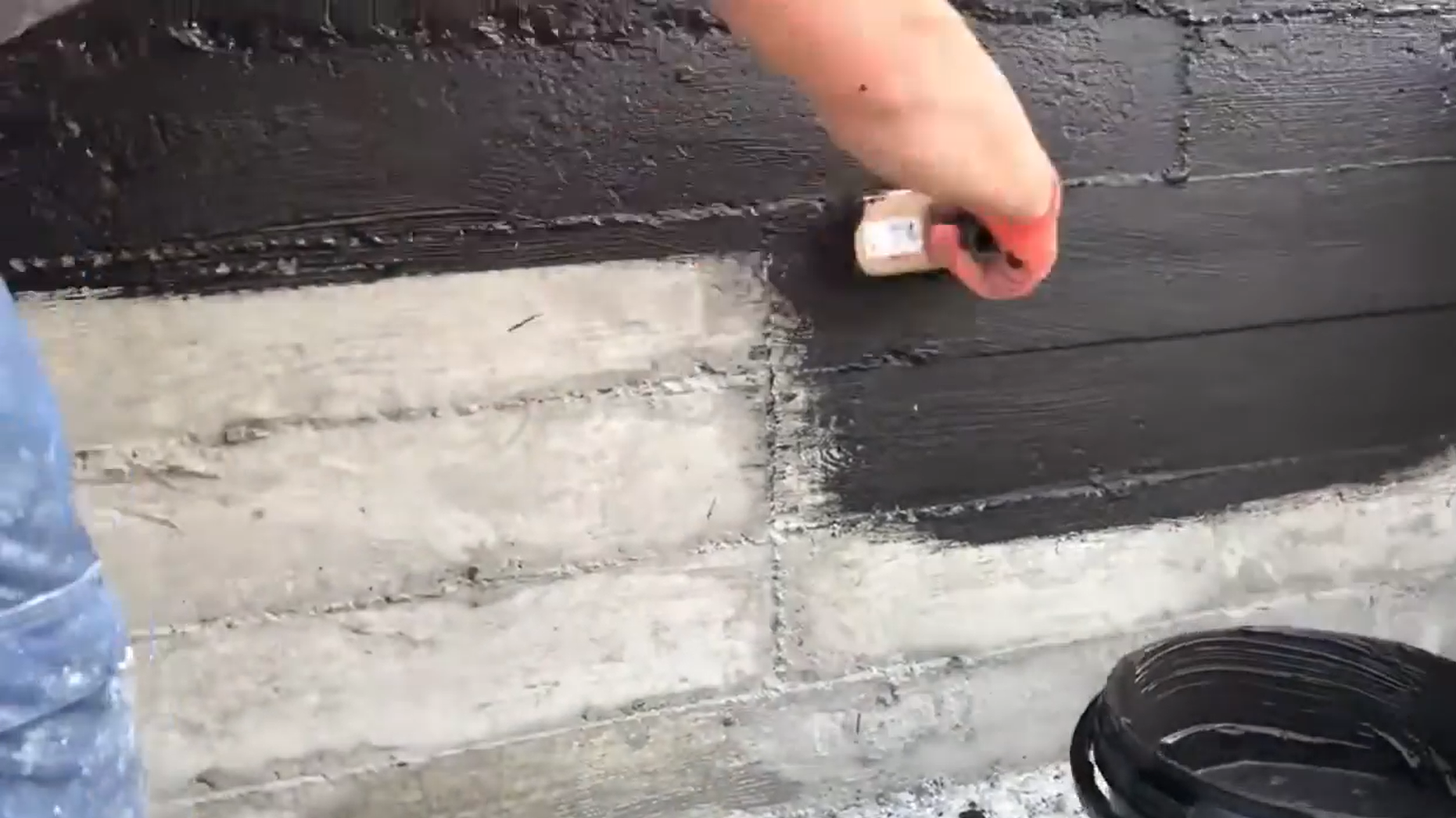
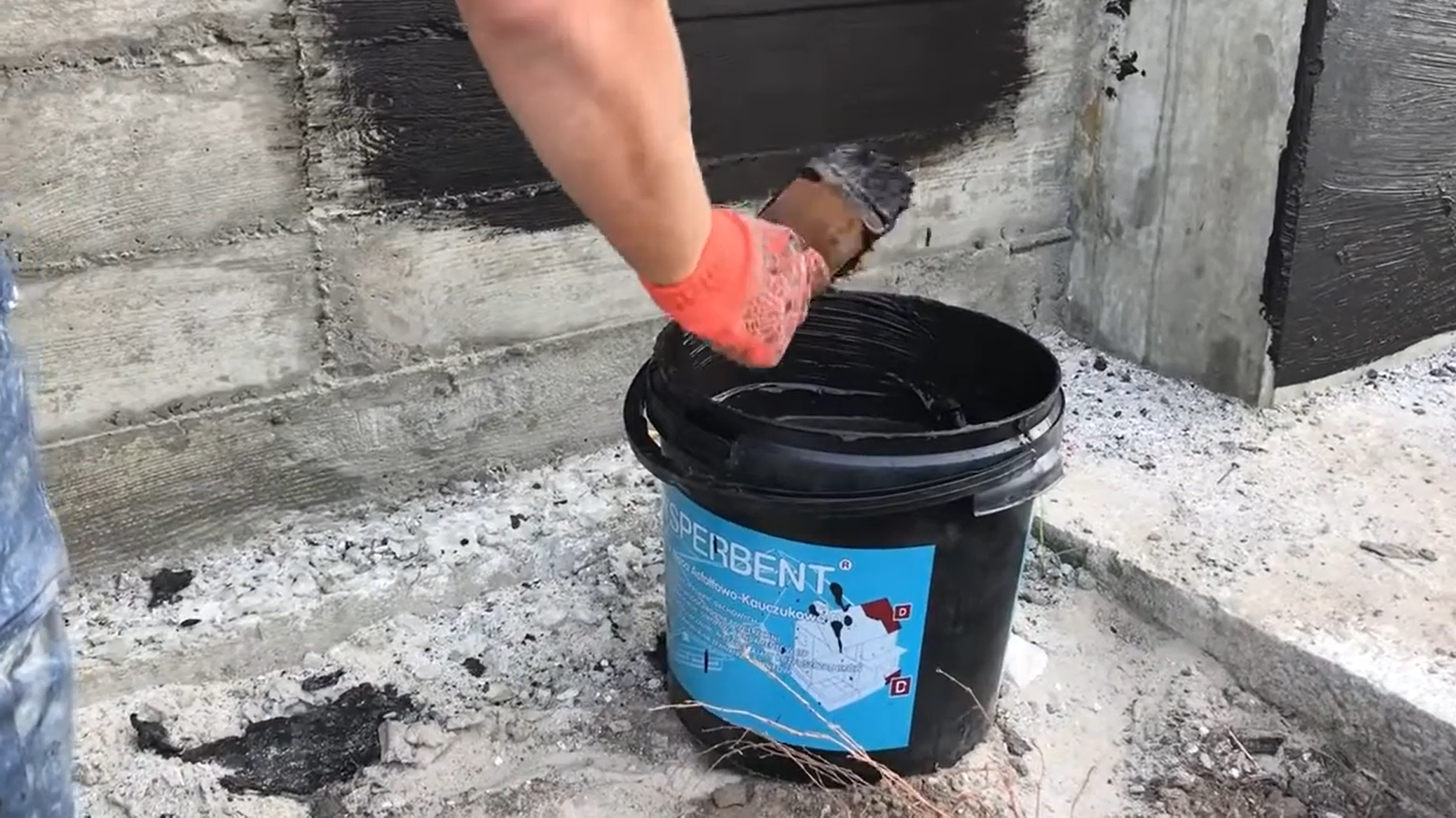
A classic mistake made when rushing construction is to try to apply a waterproofing coating to fresh, still wet concrete, or to a dusty and dirty foundation. Traditional mastics based on organic solvents in such conditions simply peel off (zero adhesion is formed), leaving hidden cavities for water.
• Reliable solution: The Izoplast brand has specialized water-based mixtures (for example,Izoplast Dyperbit), which can be applied even to slightly damp surfaces. And for classic solvent-based mastics, the Izoplast R primer is a must, which binds dust and guarantees perfect adhesion to concrete.
4. Avoiding multi-layering and thin coating layer
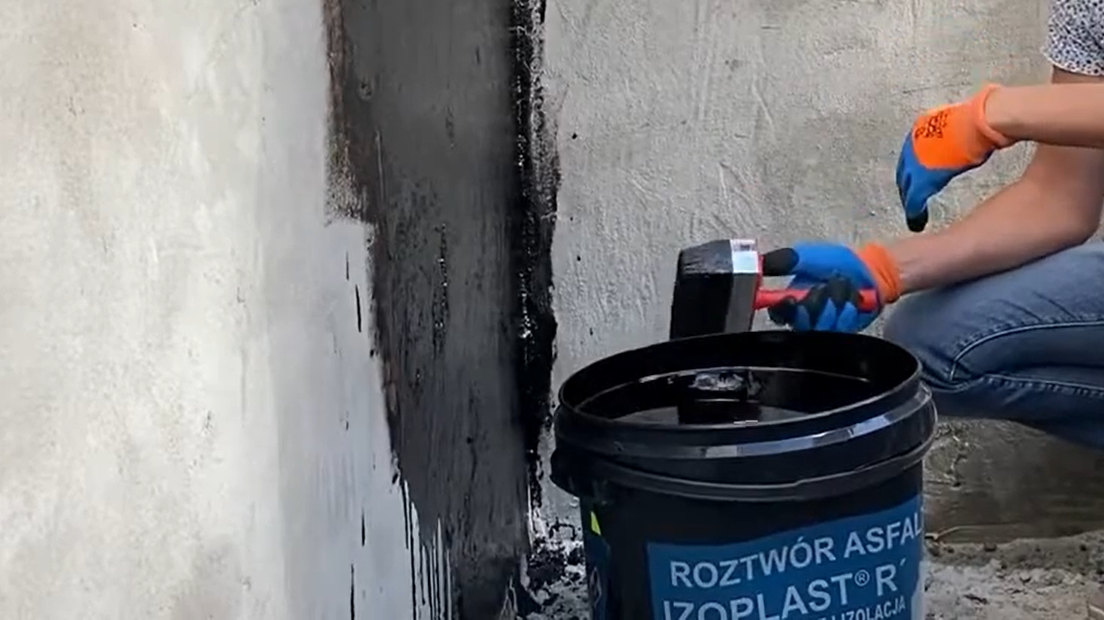
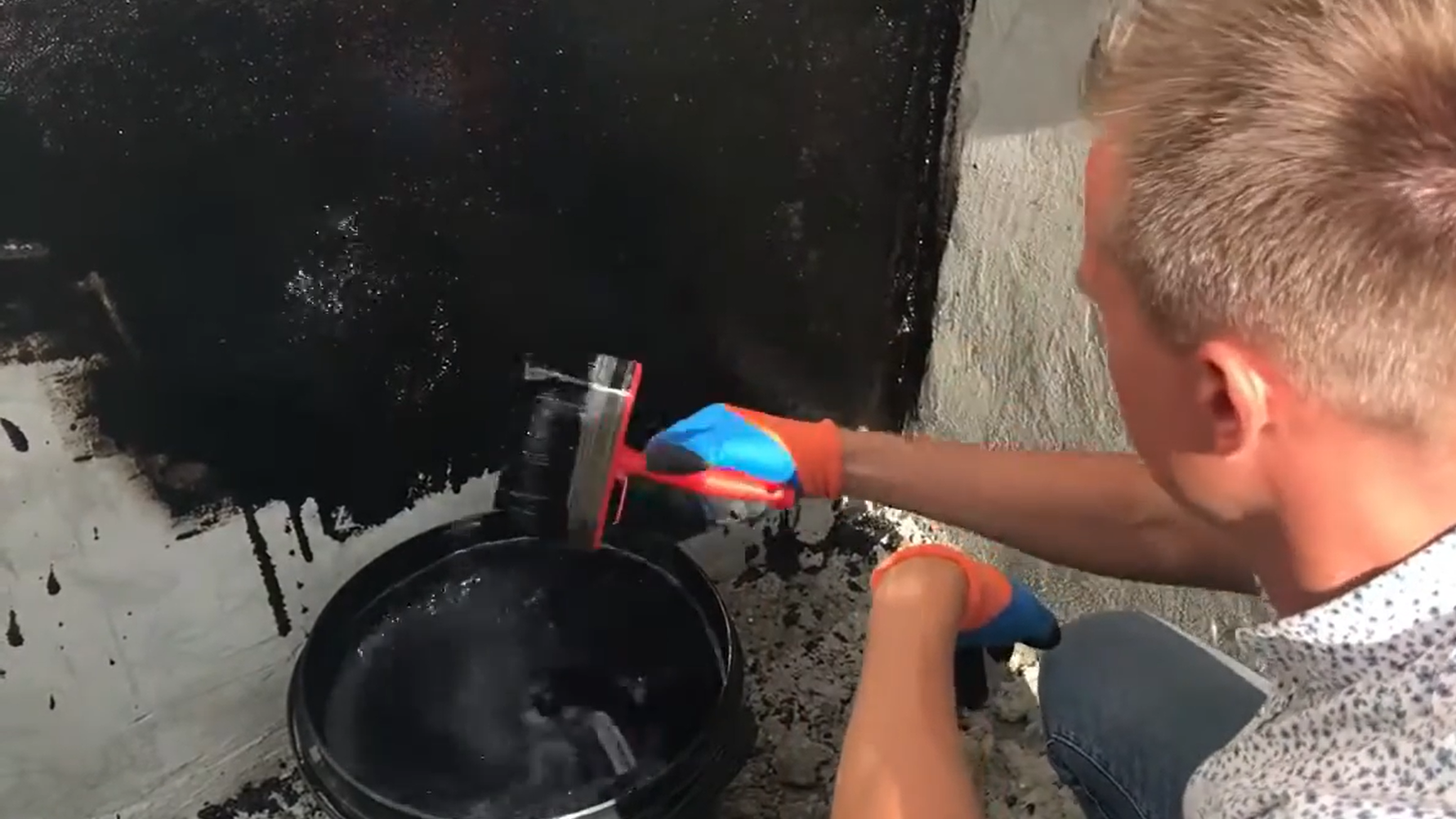
Some builders believe that one «fat» layer of mastic is enough. In fact, when drying in one layer, micropores can form. Waterproofing should work as a reliable membrane of a certain thickness.
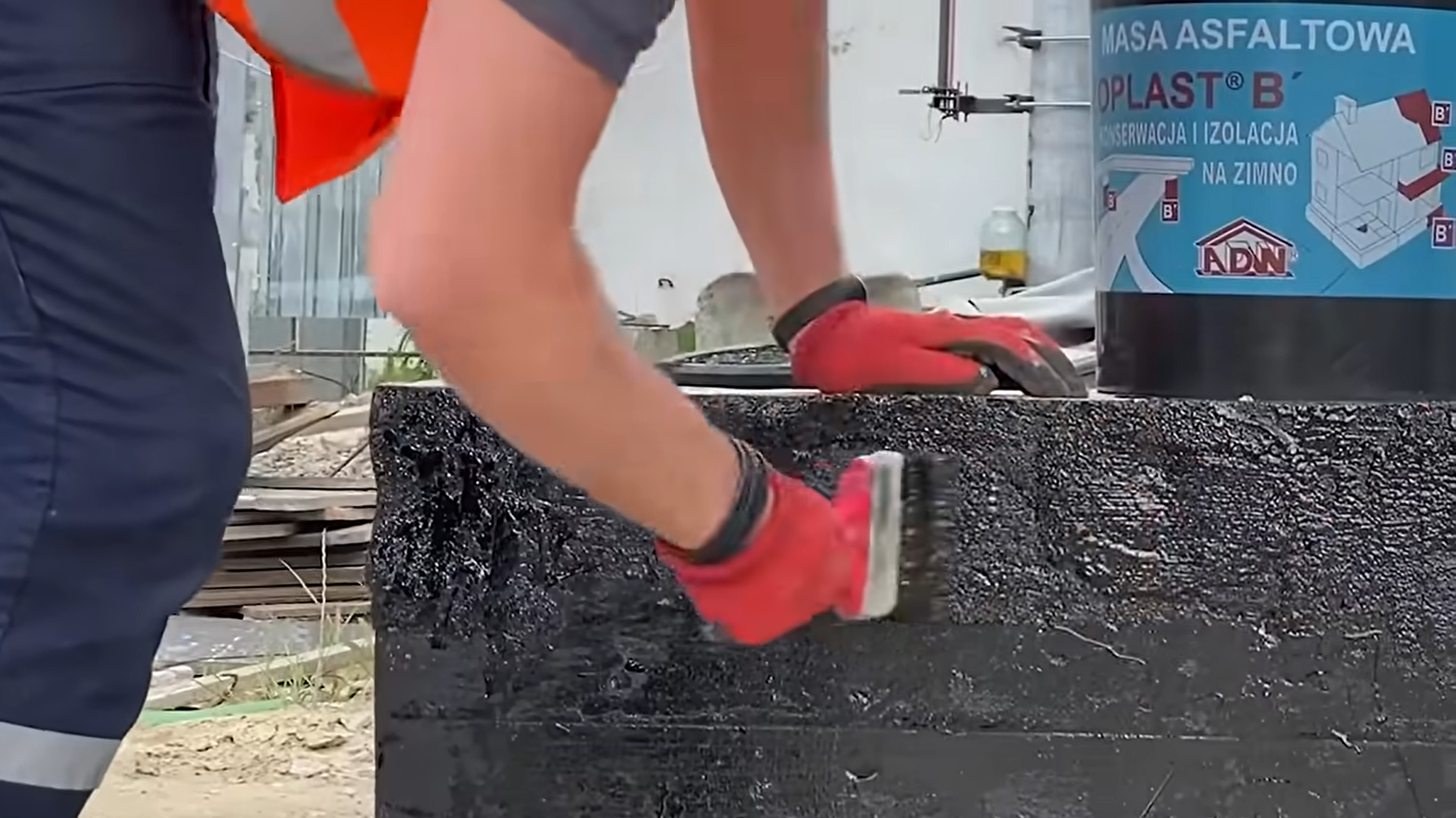
• Reliable solution: It is recommended to apply Izoplast mastic in at least 2–3 layers. Each subsequent layer is applied perpendicular to the previous one after it dries. This completely eliminates the appearance of uncoated areas.
5. Lack of protection of the waterproofing layer during backfilling
Even the best mastic will lose its meaning if it is simply scratched or torn when filling the pit with soil containing stones, construction debris, or frozen clods of earth.
• Reliable solution: After the Izoplast mastic has completely dried, its layer must be protected with extruded polystyrene foam (which will additionally insulate the foundation) or a special profiled SNTDrain geomembrane.
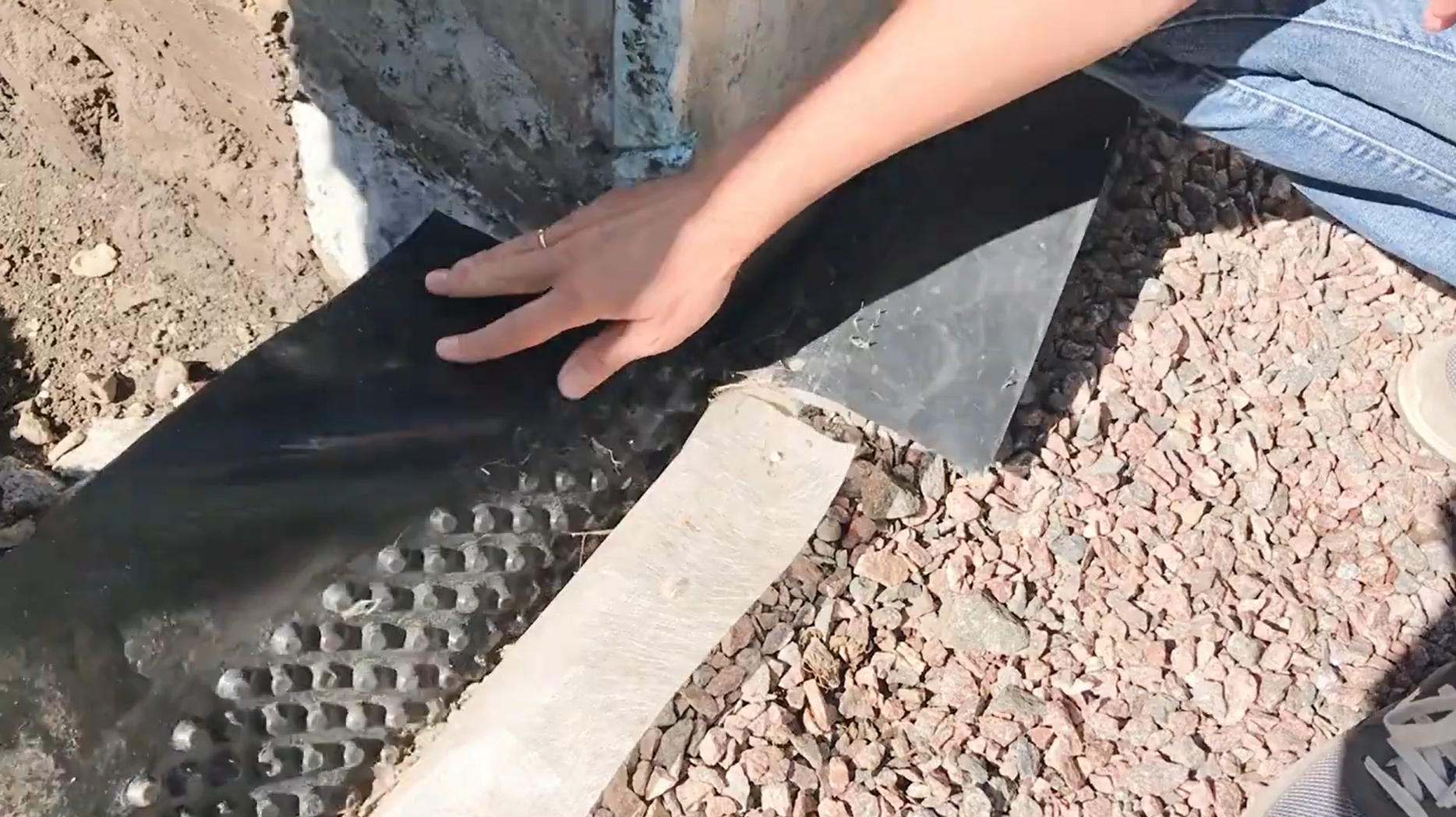
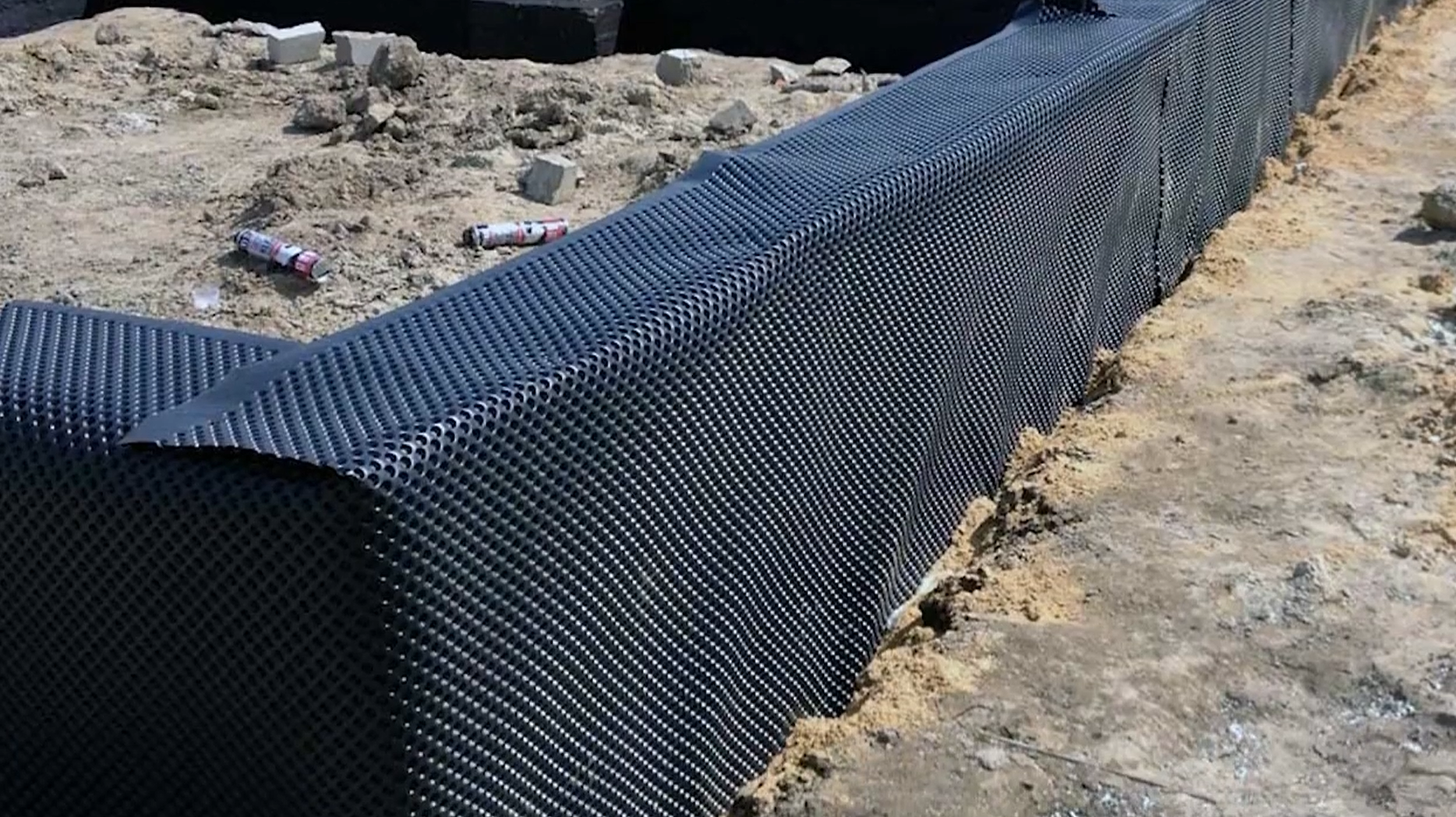
You can purchase a full range of materials for professional foundation waterproofing from us. We offer original products from the Izoplast line, spiked membrane, related materials, and also provide expert advice on the correct selection of the system for your project.