



The battle for tightness: Protex bentonite cord vs RubberElast in concrete ring joints
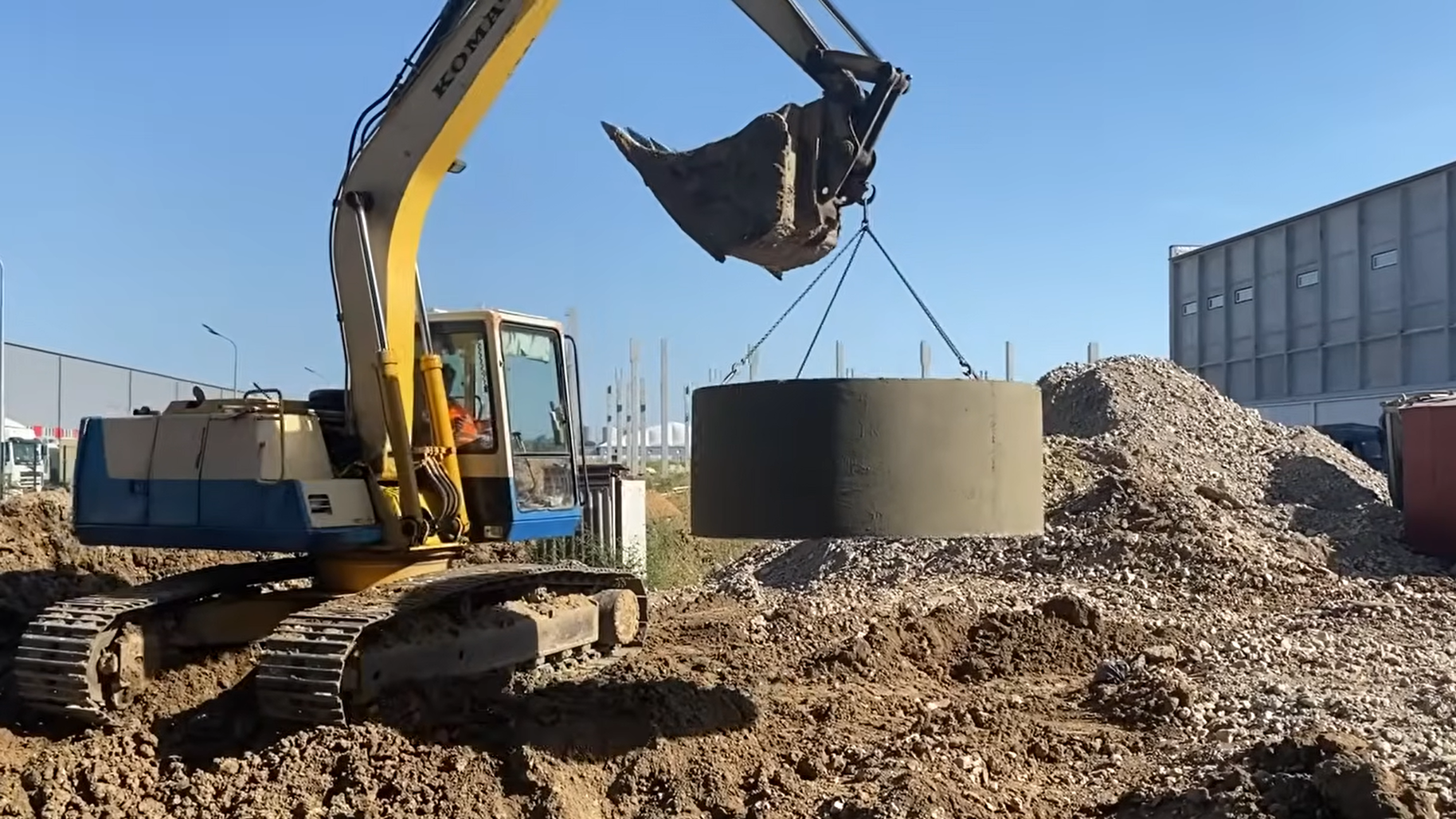
The construction of underground tanks from reinforced concrete rings (RCR) is always accompanied by the risk of leakage. Due to soil movements, temperature fluctuations and constant water pressure, ordinary cement mortar in the joints quickly collapses. Modern construction offers two fundamentally different professional solutions: active bentonite cord and passive elastomeric tape RubberElast. Both materials create a reliable barrier, but work in completely different conditions.
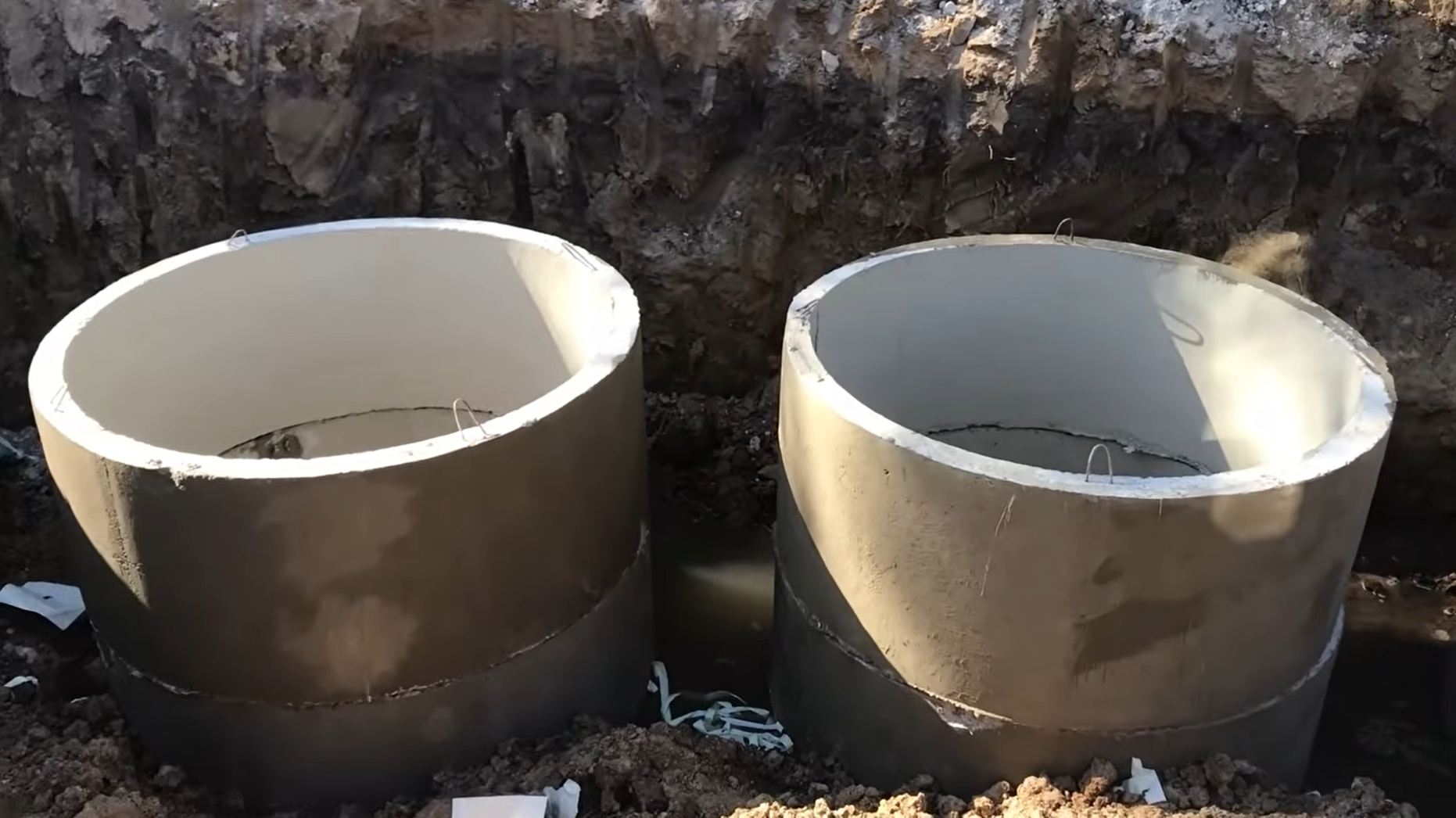
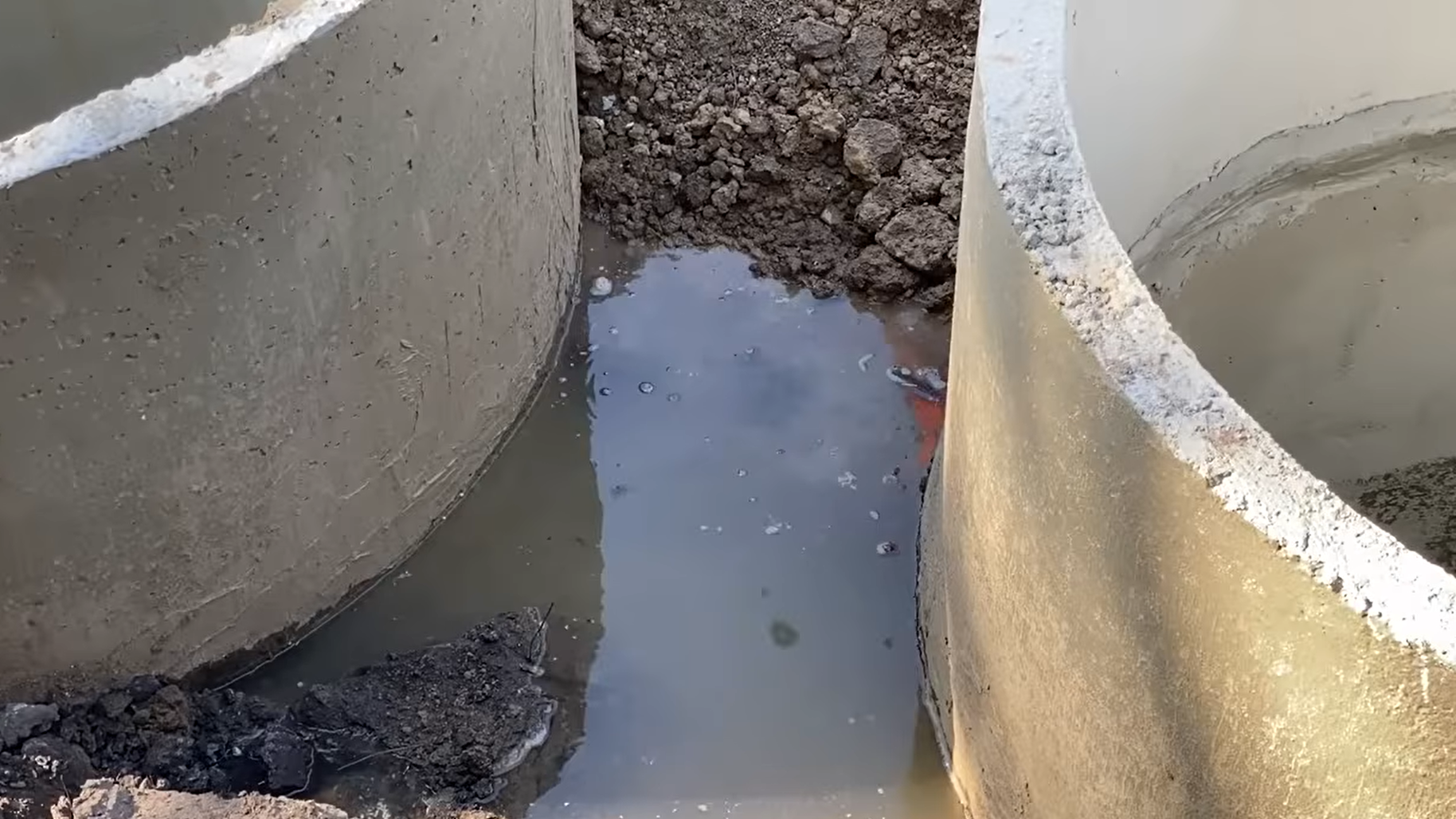
Technology #1: Bentonite Cord (Smart Clay)
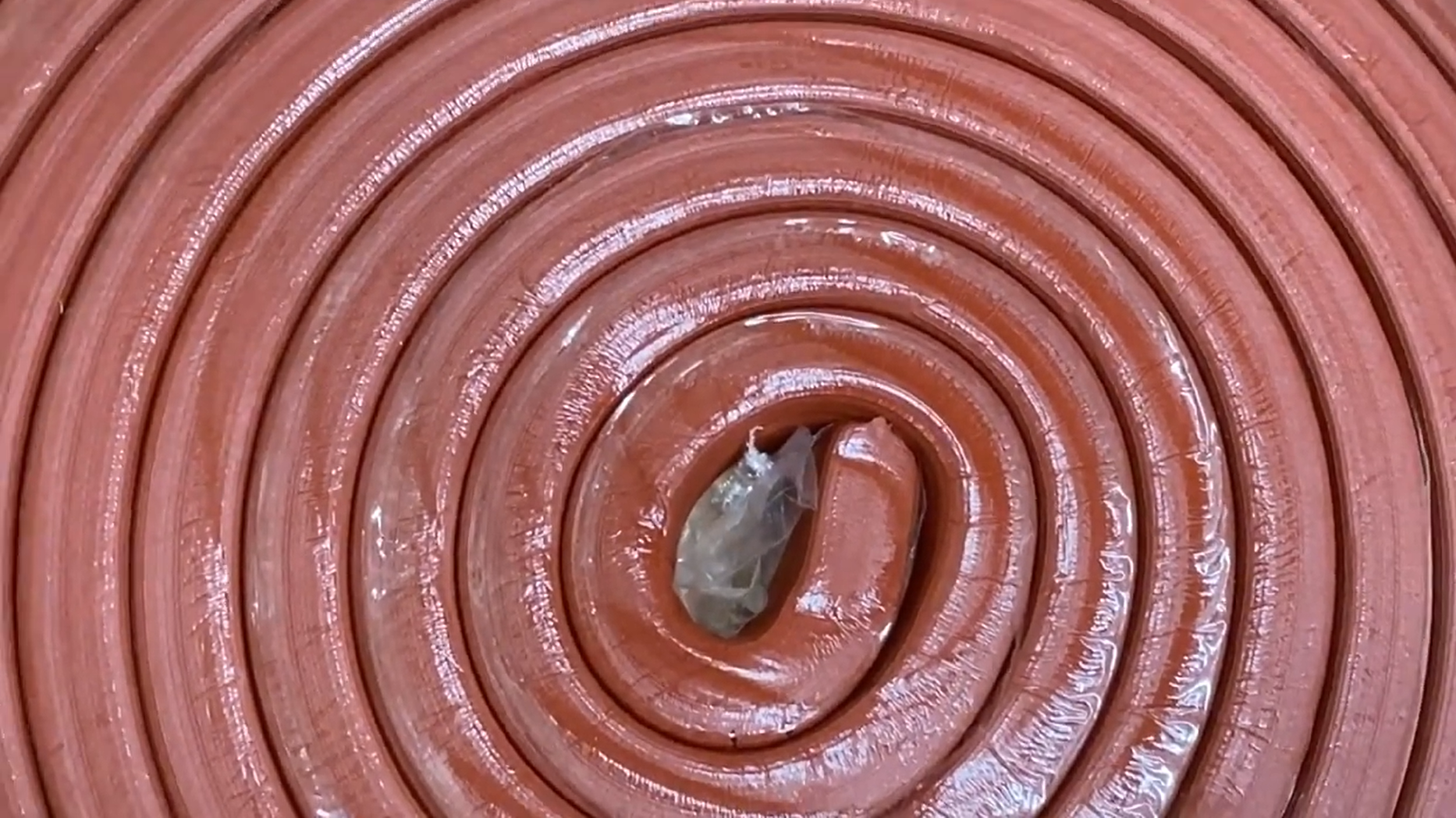
Bentonite cord is a waterproofing cord that consists of 75% natural sodium bentonite and 25% of a special rubber compound.
Working principle
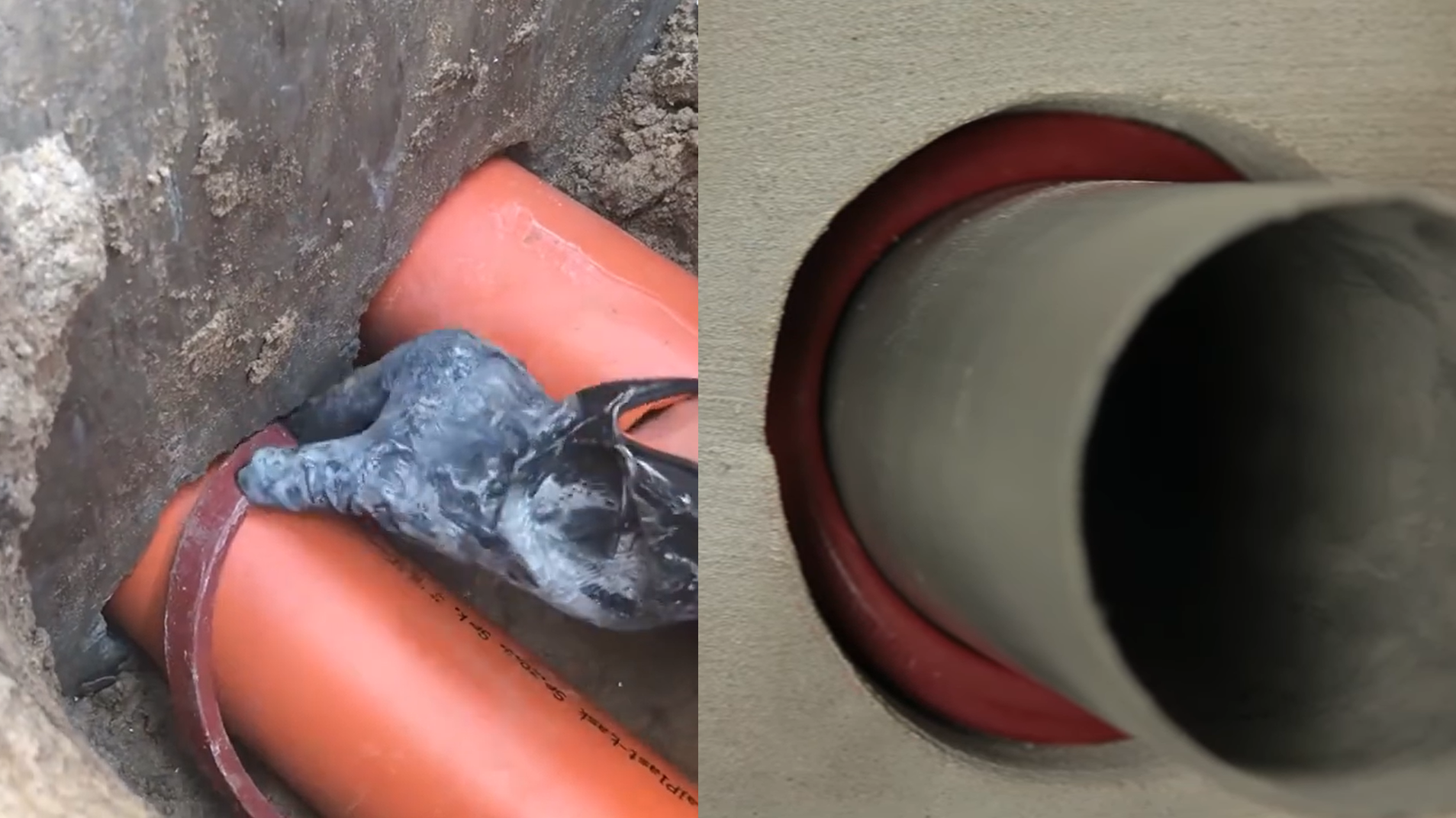
The material has the so-called «smart memory effect». Getting into the closed space of the concrete joint, the cord begins to actively hydrate upon contact with moisture. Since the space between the rings is limited by the weight of the structure, bentonite turns into a dense waterproof gel. Under high pressure, it fills the smallest pores, sinks, capillaries and microcracks in the concrete, completely blocking the movement of water.
When is bentonite cord used?
— Dry and low-yielding soils: When installation takes place in the absence of a constant flow of water into the pit.
— Sealing pipe penetrations: Due to its plasticity, the cord is convenient for wrapping plastic or metal sleeves of communications entries into the well.
— Budget facilities with high requirements: If you need to get reliable industrial waterproofing at an affordable price.
— Septic tanks, cesspools and treatment plants: Where aggressive wastewater must not enter the environment.
 Critical limitation: The cord cannot be installed during rain or in a flooded cavity. If it becomes saturated with water before the heavy concrete ring is lowered from above, the expansion process will occur in vain and the assembly will lose its tightness.
Technology #2: RubberElast Tape (Instant Rubber)
RubberElast is a high-tech self-adhesive tape based on butyl rubber and synthetic elastomers, developed by BT Innovation, of which we are the official importer in Ukraine.
Working principle
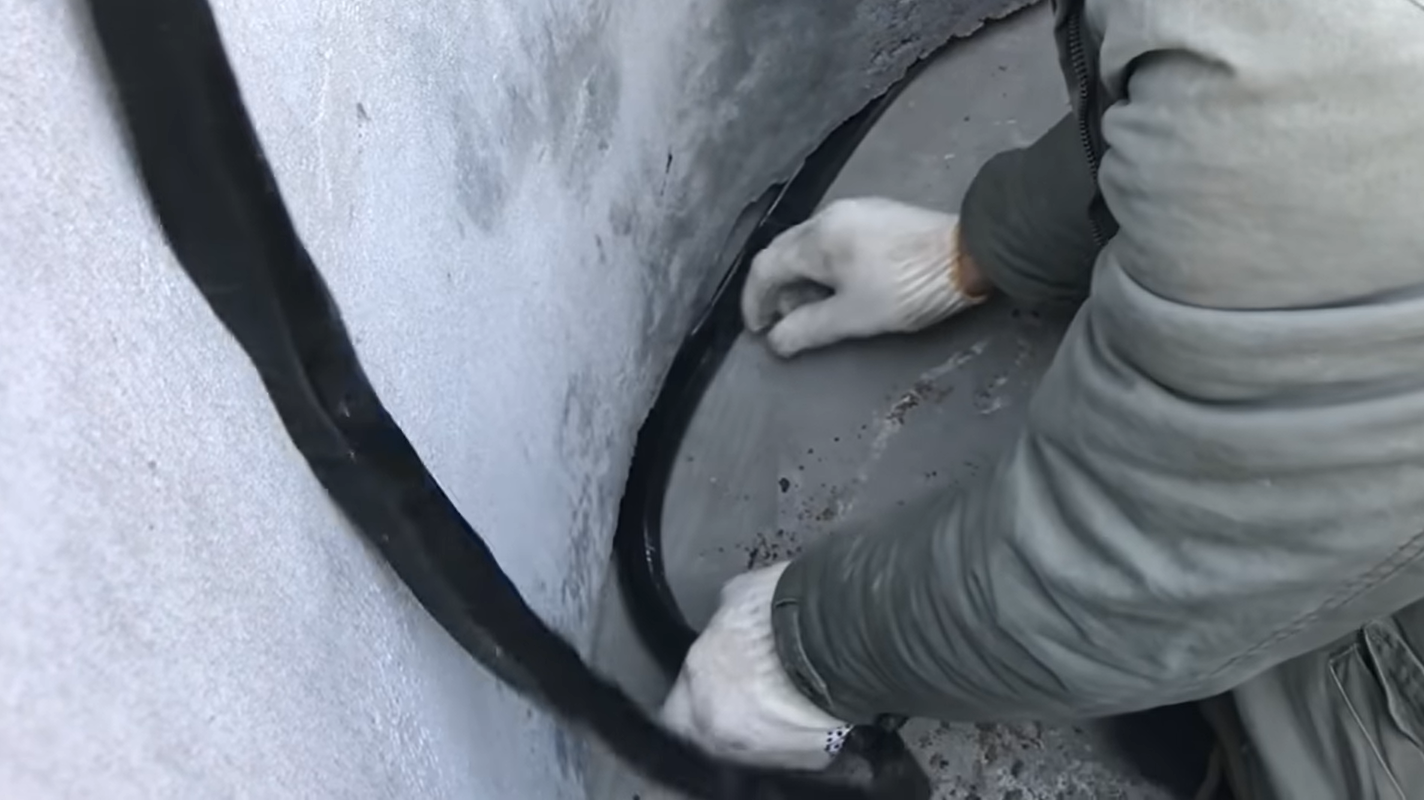
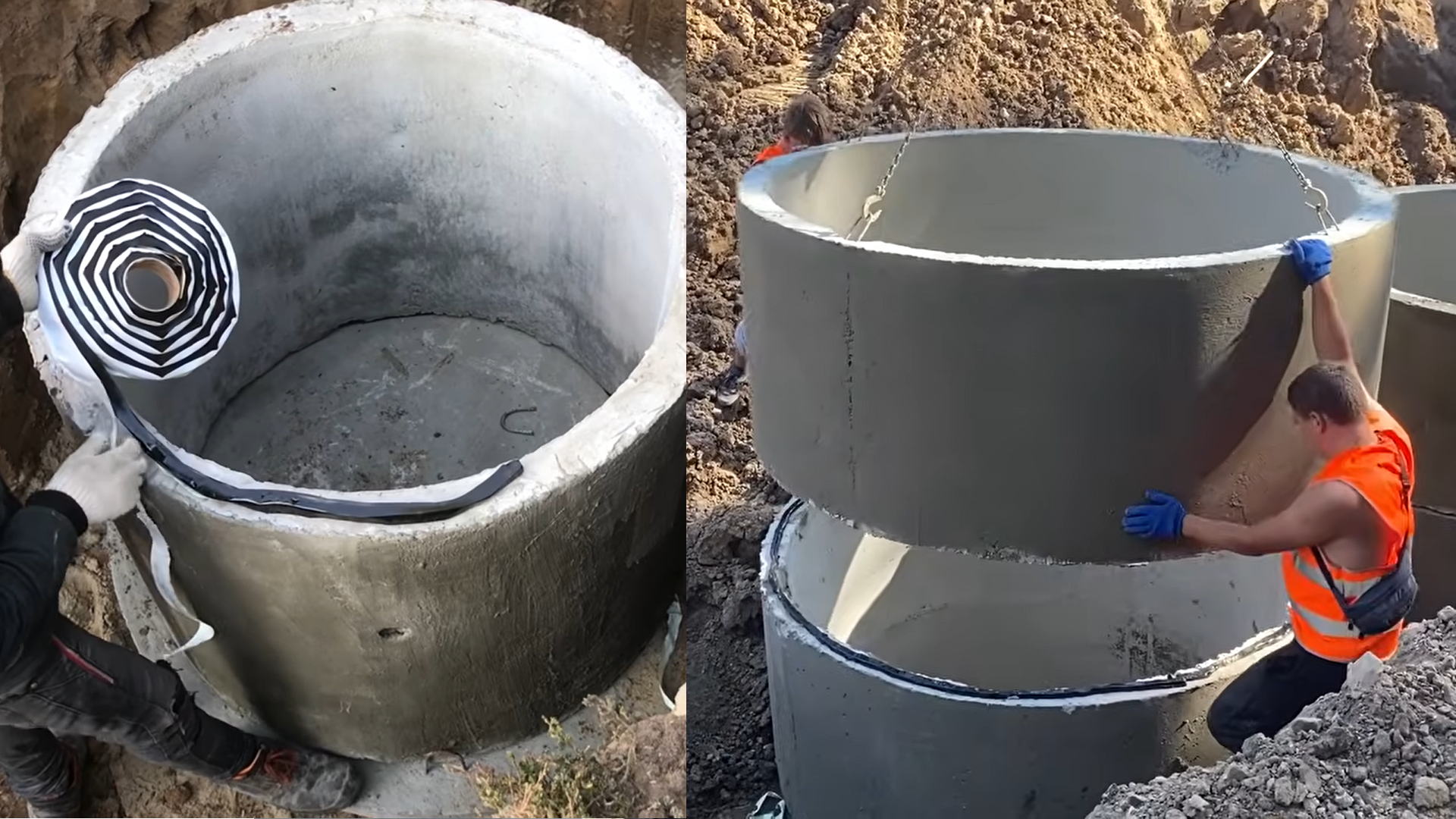
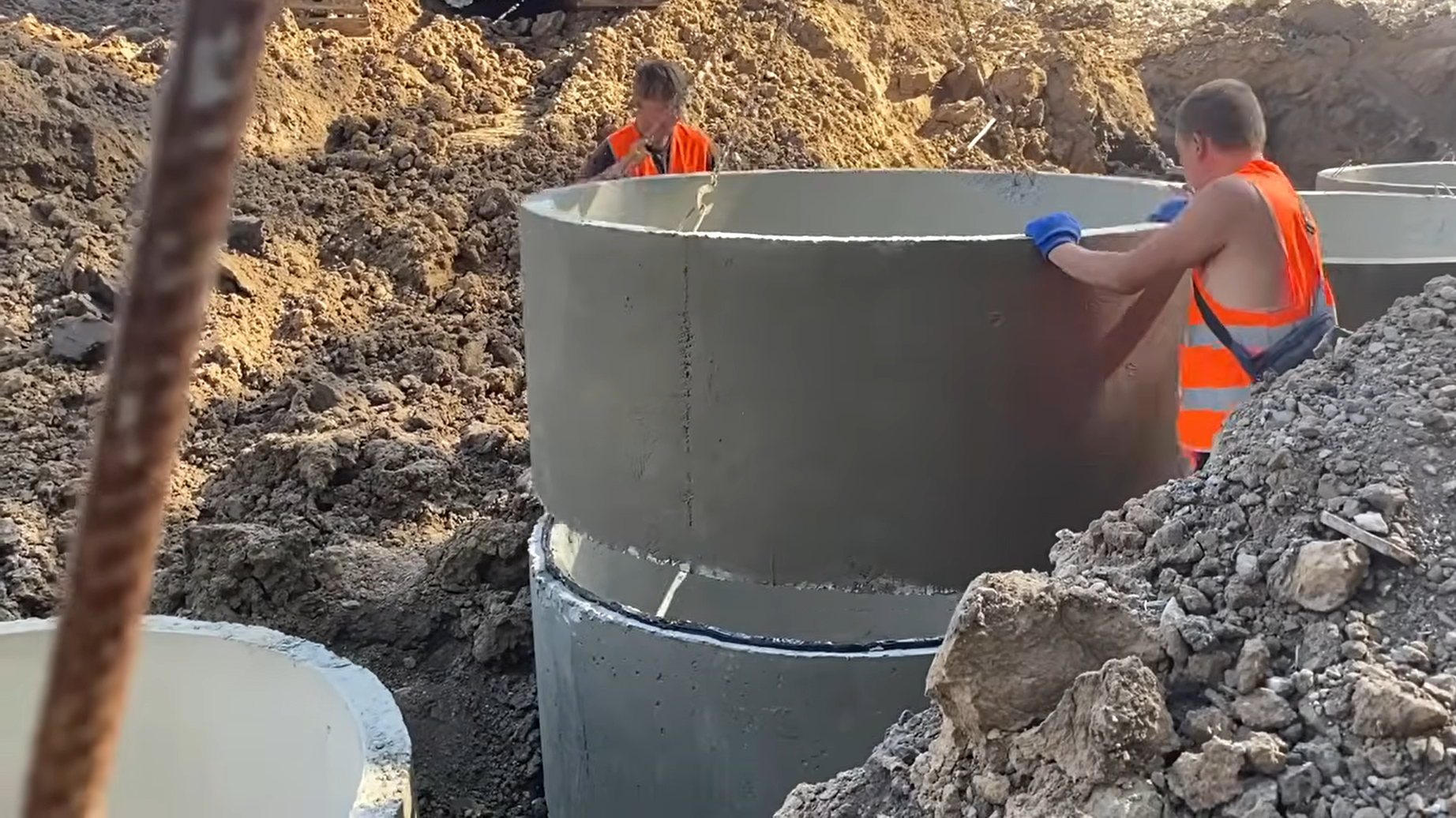
Unlike bentonite, this is a material of instant mechanical action. The tape is placed on the end of the lower ring, after which the next reinforced concrete element is mounted on top. Under the multi-ton weight of the concrete ring, RubberElast is strongly compressed. The material has colossal adhesion and is literally «soldered» into the concrete structure of both rings. A monolithic, elastic rubber gasket is created that does not require moisture for activation.
When is RubberElast used?
— Floods and high groundwater: When water arrives so quickly that the pit does not have time to drain. The tape ensures 100% tightness of the joint immediately at the moment the ring is lowered.
— Winter and rainy installation: Butyl rubber retains its properties at sub-zero temperatures (down to -10 °C) and is not afraid of direct raindrops during installation.
— Drinking sources: The elastomer is completely chemically neutral, does not erode, does not release substances and guarantees ecological purity of water.
— Deep mines (high hydrostatic pressure): The material withstands constant water pressure of up to 0.5 bar without the risk of deformation or washing out of the structure.
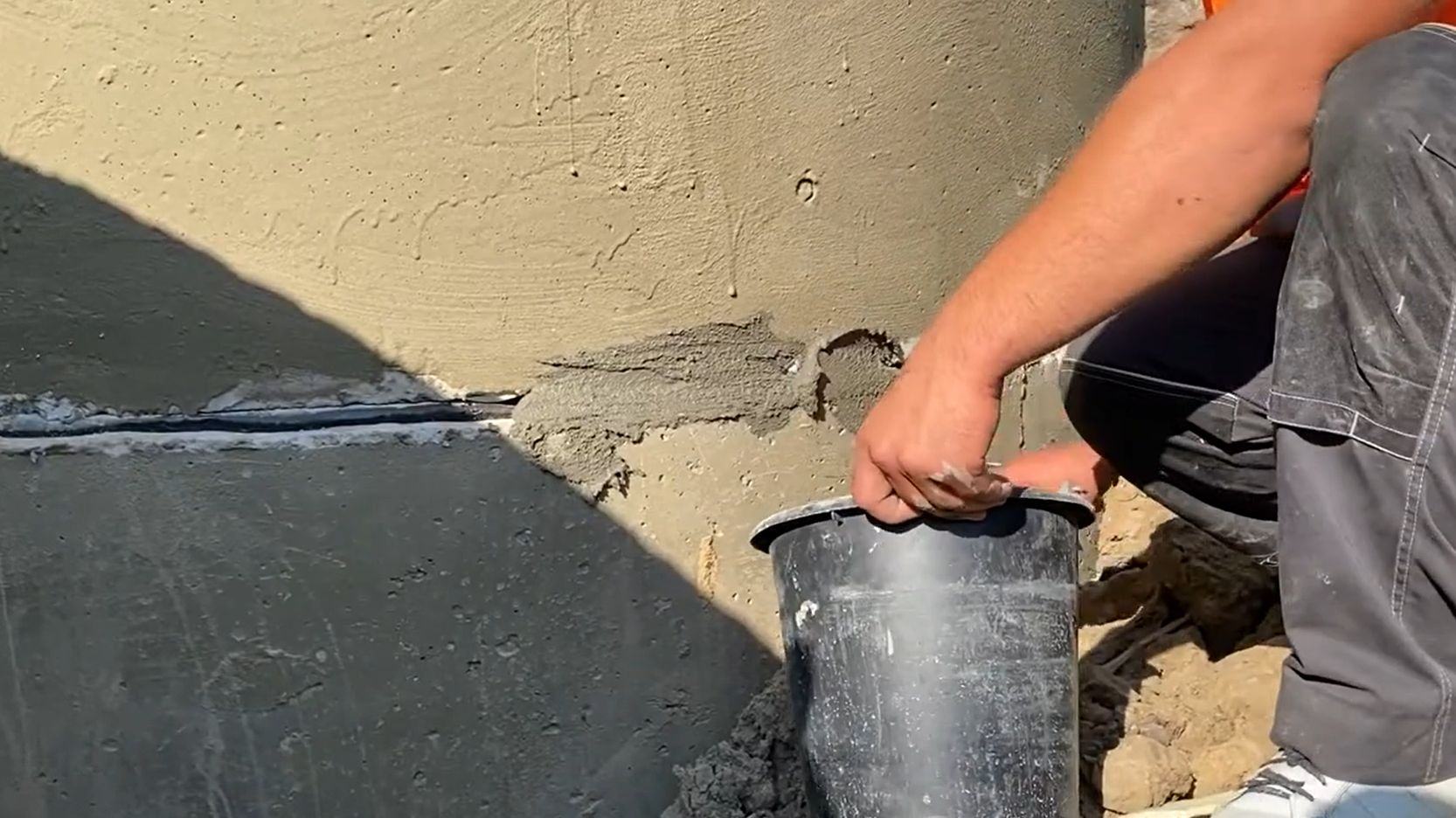
To make the assembly durable, the external and internal seams must be additionally treated with a repair compound.
Why is treatment with a repair mixture necessary?
1. Protection against mechanical damage:
— for bentonite cord this is a must. If the seam is not sealed with a strong solution, the cord will simply squeeze out or into the well during swelling. The repair mixture acts as a «lock» that holds the bentonite gel in a closed space under pressure.
— for RubberElast, the mixture protects the rubber joint from accidental cuts by sharp stones during soil displacement or backfilling of the excavation.
2. Reinforcement protection: Concrete rings often have exposed metal or microcracks at the joints. The mixture blocks the access of oxygen and moisture, preventing corrosion and destruction of the concrete.
3. Aesthetics and hygiene: A smooth internal seam makes it easier to maintain the well and prevents dirt or bacteria from accumulating in the cracks.
Contact our specialists for help in choosing a repair mixture.
Please note: after the repair mixture has dried, a layer of coating waterproofing must be applied to the outside of the well. Bitumen-rubber mastic Izoplast B will be indispensable. This is the final, most important chord in creating reliable waterproofing.
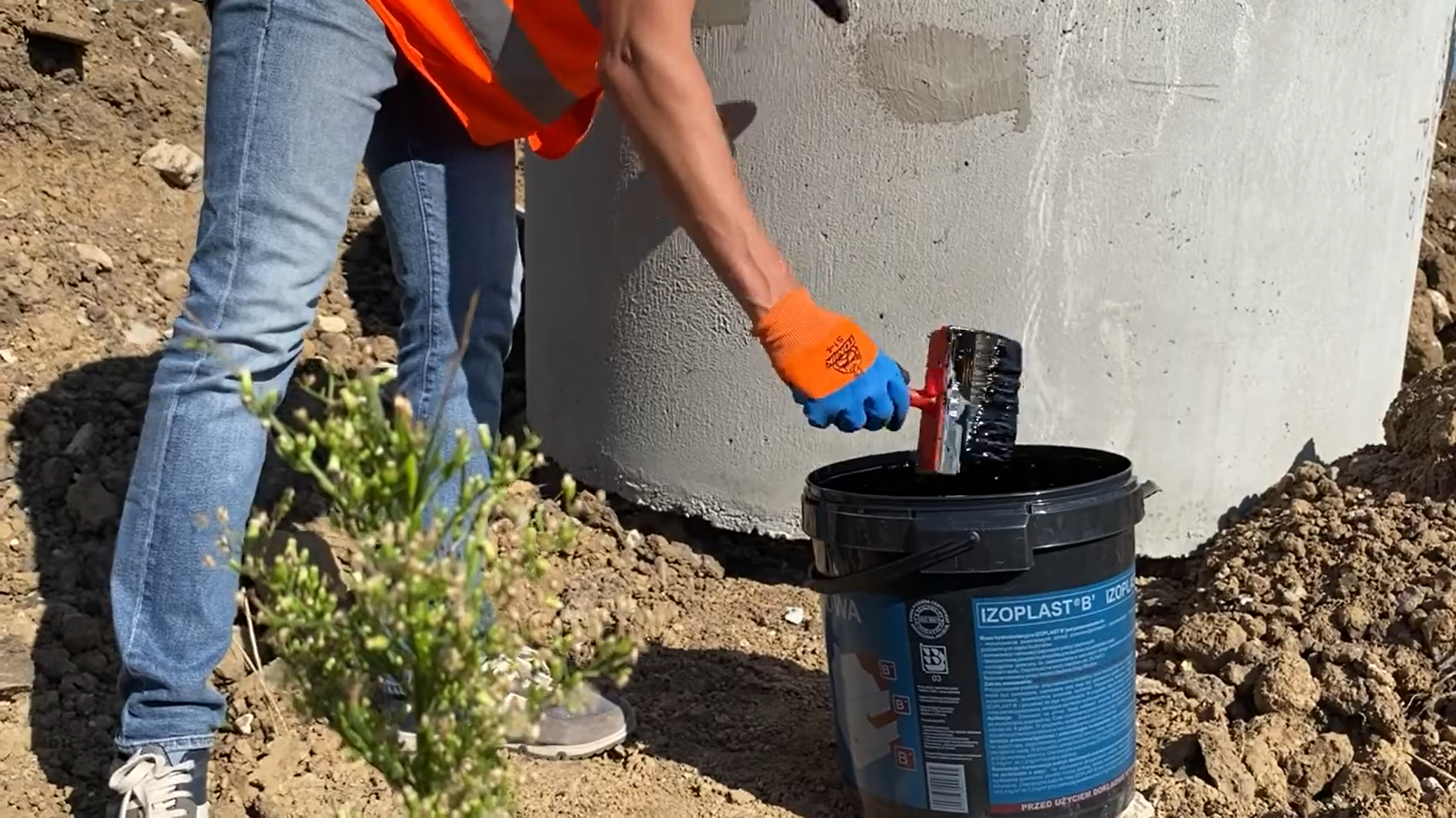
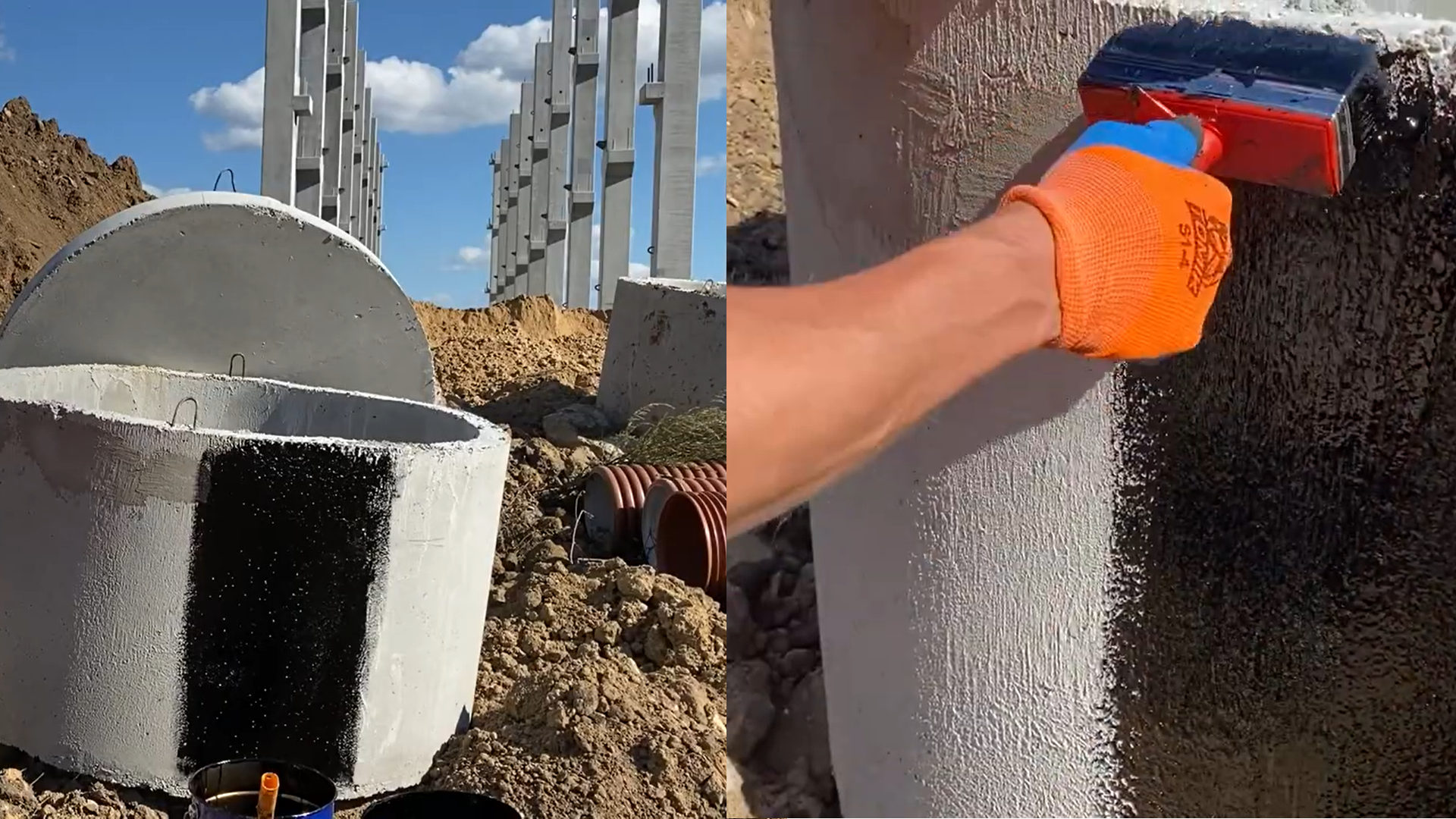
Important note regarding drinking wells: Continuous treatment with bitumen mastic is carried out ONLY on the outside of the rings. It is strictly forbidden to use bitumen mastics from the inside of the well (especially drinking wells), as they are toxic, release petroleum products into the water and spoil its taste and smell. For internal waterproofing, only mineral (cement) mixtures are used.
Now your technological chain is perfect: Cord/Tape in the joint ➔ Repair compound in the seams ➔ Exterior finishing with mastic. Such a structure will stand for decades without any leaks.
