Deformation seams in concrete structures
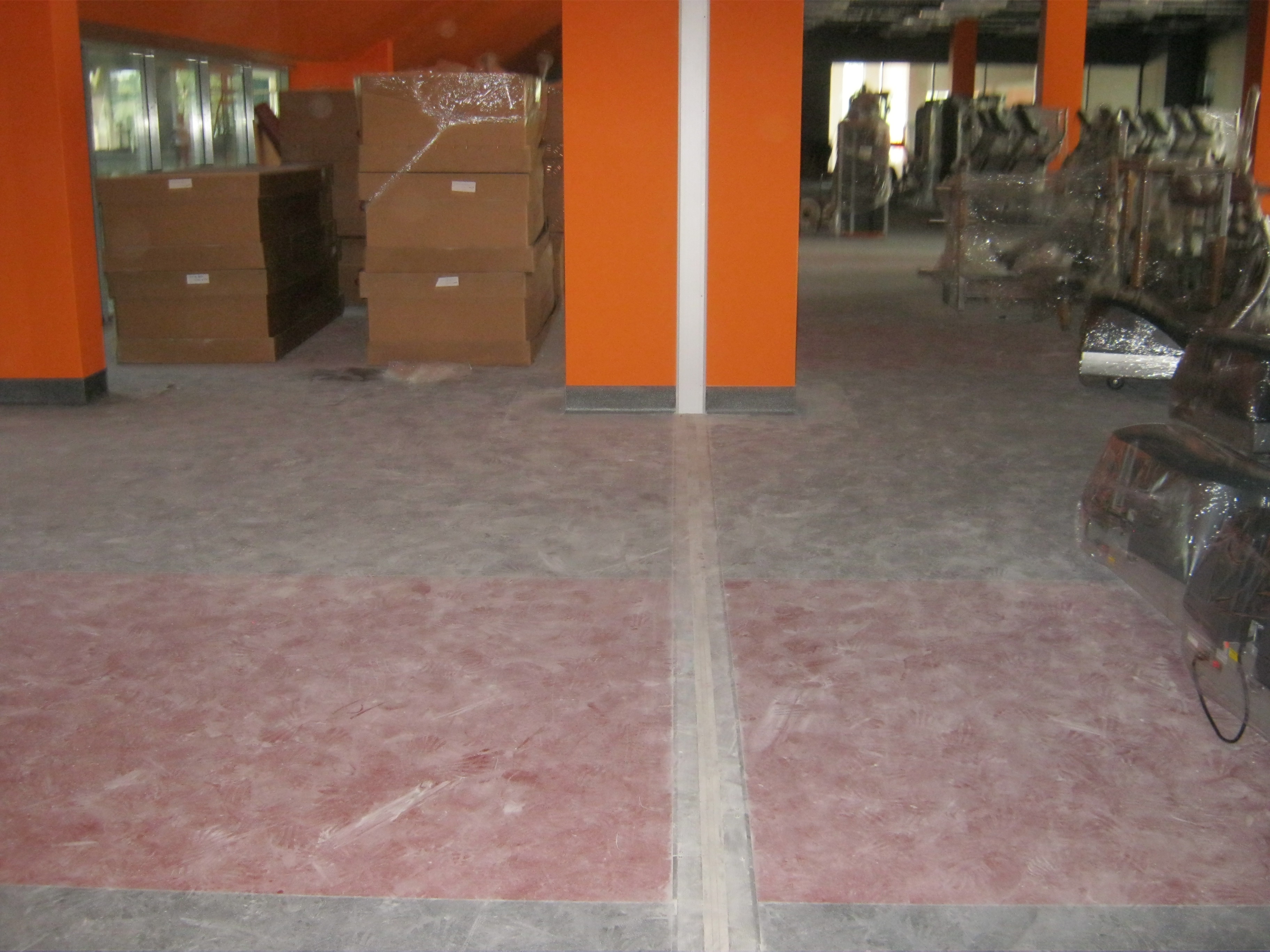
In modern concrete construction, expansion joints are a critical engineering requirement that ensures the operational reliability, durability, and structural integrity of the structure. Their design and sealing must take into account all types of possible deformations: shrinkage, temperature, seismic, technological, operational, etc.
 1. Purpose of expansion joints
An expansion joint is a technologically justified gap in a concrete or stone structure that allows for the compensation of movements associated with:
- temperature changes,
- shrinkage of the material,
- vibration effects,
- ground movements,
- mechanical loads (including cyclic).
Seams allow you to localize stresses and prevent their chaotic distribution throughout the structure, which reduces the risk of uncontrolled cracks.
2. Types of expansion joints
Heat-shrinkable seams
Designed to compensate for changes in the geometry of structures due to temperature fluctuations and shrinkage of concrete in the early stages of hardening. Used in floor slabs, floors, and road surfaces.
Seismic seams
They ensure independent operation of structural elements during seismic impacts. They have a larger width and require flexible sealing solutions.
Technological seams
They are formed during the process of concreting large volumes. They are often performed as temporary, but with proper processing they can be converted into permanent deformation ones.
Sedimentary seams
Used in areas with expected differential soil subsidence.
3. Placement and calculation
The placement of seams is determined in accordance with regulatory documentation (DBN V.2.6-198:2014, EN 1992-1-1:2004). Main criteria:
Maximum distance between joints: 4–6 m for slabs, up to 30 m for external walls.
Joint width: depends on the type of deformation and material; usually from 10 to 50 mm.
Location: along axes of symmetry, at nodes of geometry or load change, at the boundaries of structural blocks.
4. Expansion joint sealing: systems overview
Sealing has a dual purpose:
ensure the watertightness of the structure;
allow deformation without loss of functionality.
4.1. ProElast system
ProElast is a comprehensive sealing system using EPDM membranes , elastic adhesive and auxiliary seals. Main elements:
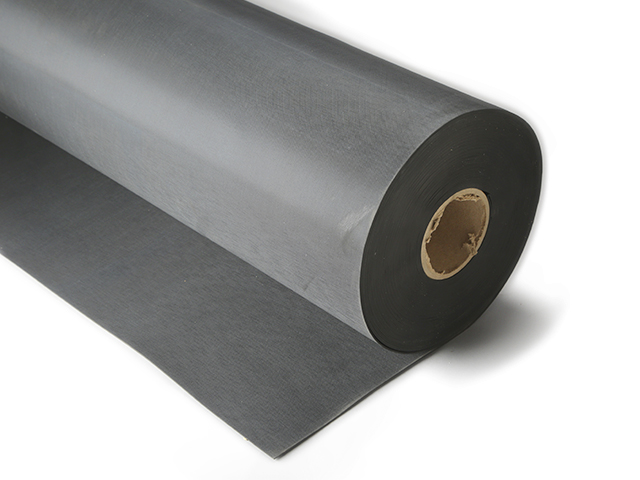
ProElast EPDM membrane is a vulcanized rubber with high elasticity and chemical resistance.
Polymer adhesive sealant with high adhesion to concrete, brick, metal and plastic.
Sealing bands made of foamed polyethylene - are used to fill cavities, preventing the sealant from leaking.
4.2. Hydroflex system
Engineered tape system for waterproofing:
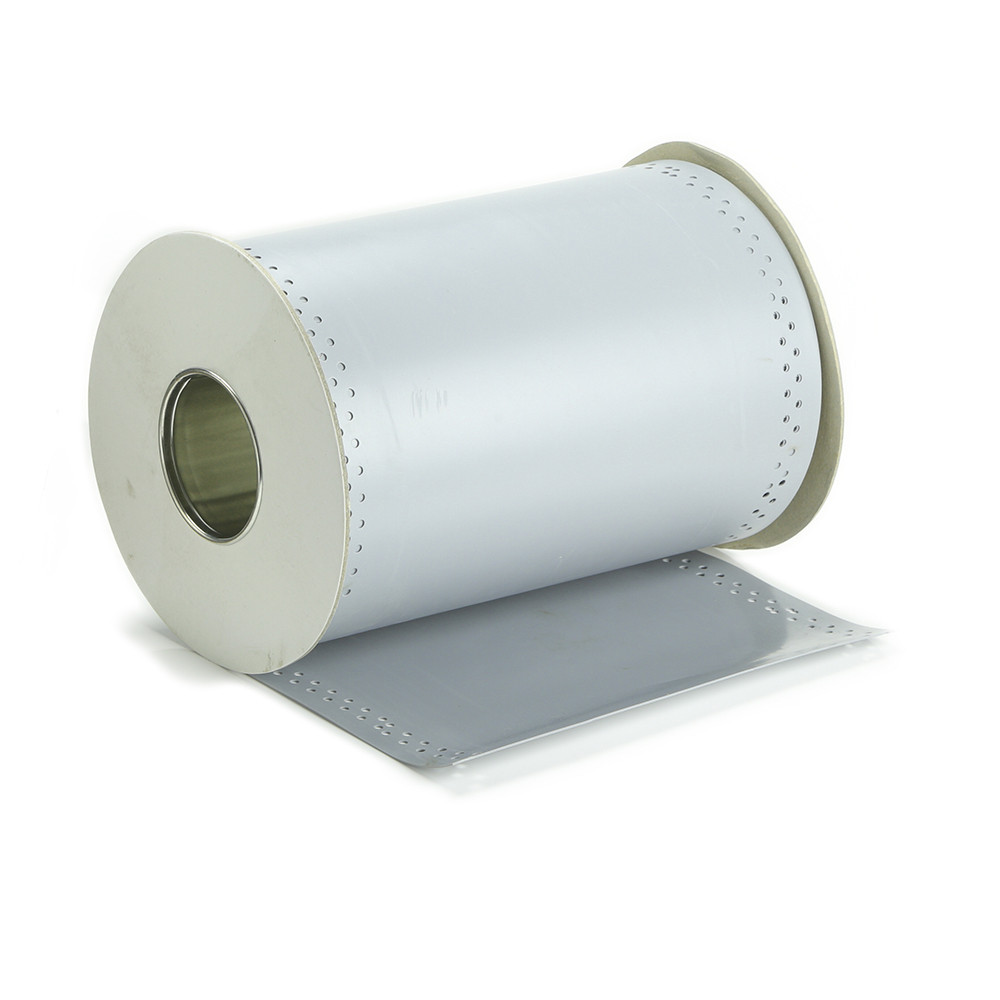
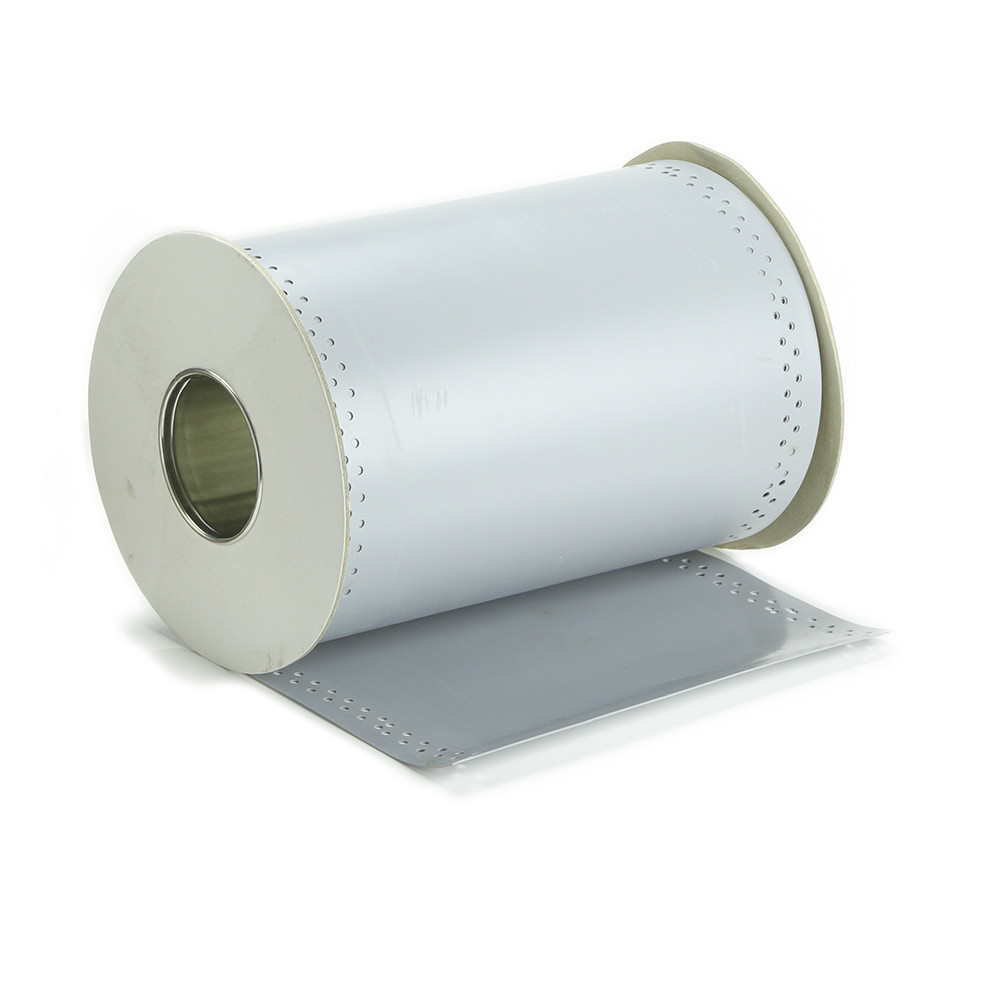
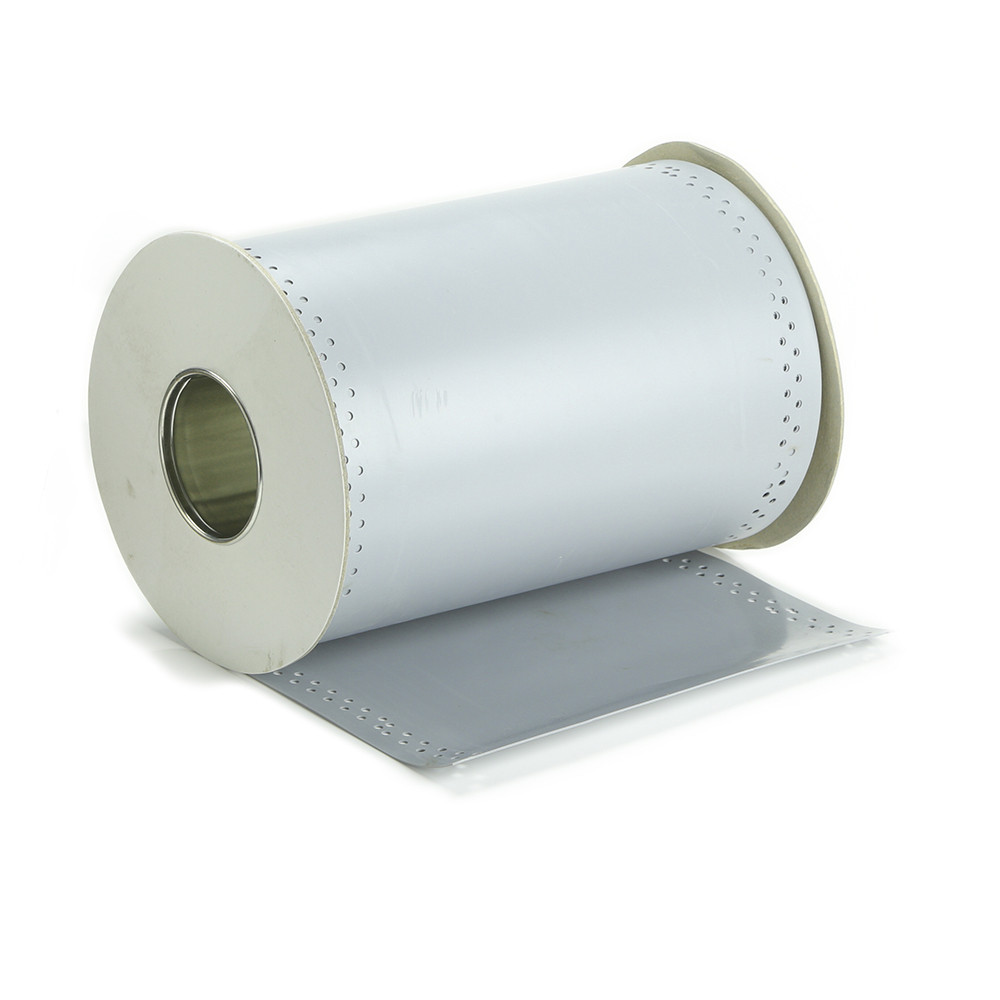
Hydroflex tape : elastic thermoplastic tape, reinforced with mesh, width from 120 to 400 mm;
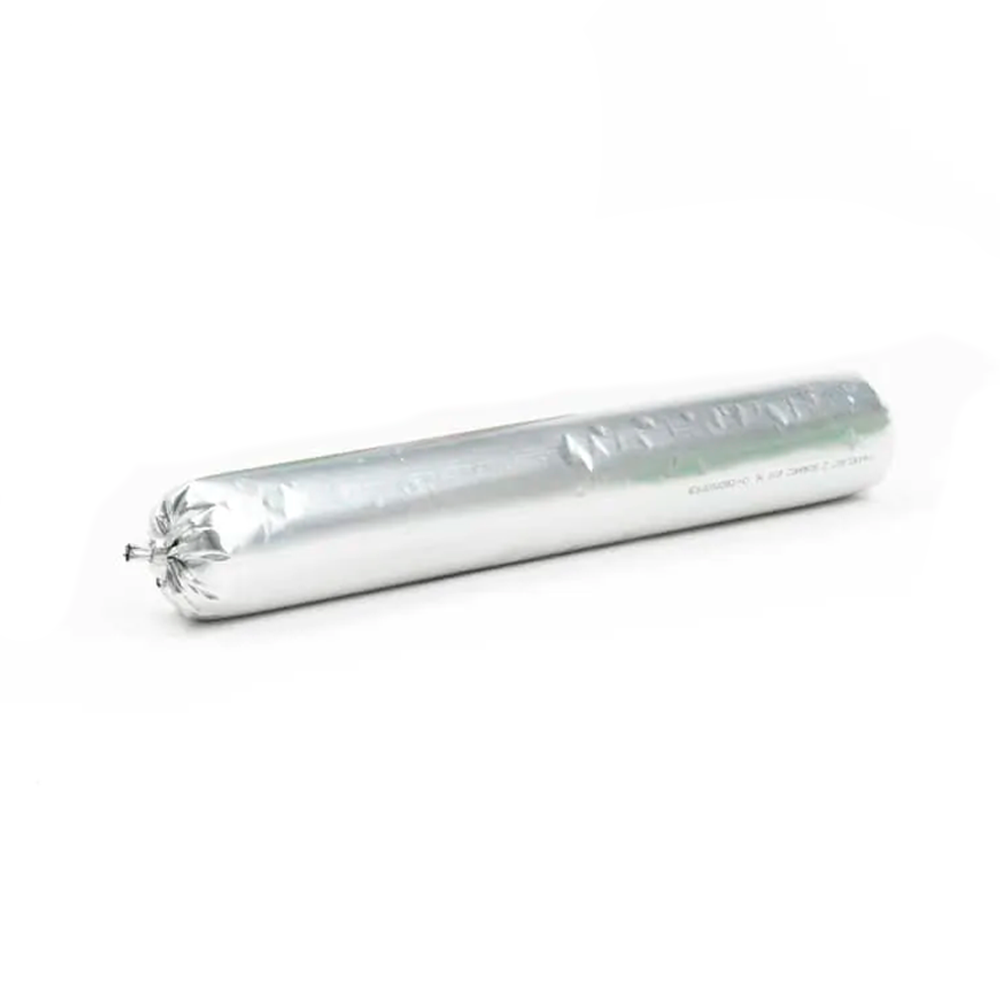
Hydroflex 21 is a one-component polyurethane adhesive sealant for reliable adhesion to the substrate.
5. Profiles for seams
Protex offers a range of professional deformation profiles manufactured by Arfen (Turkey):
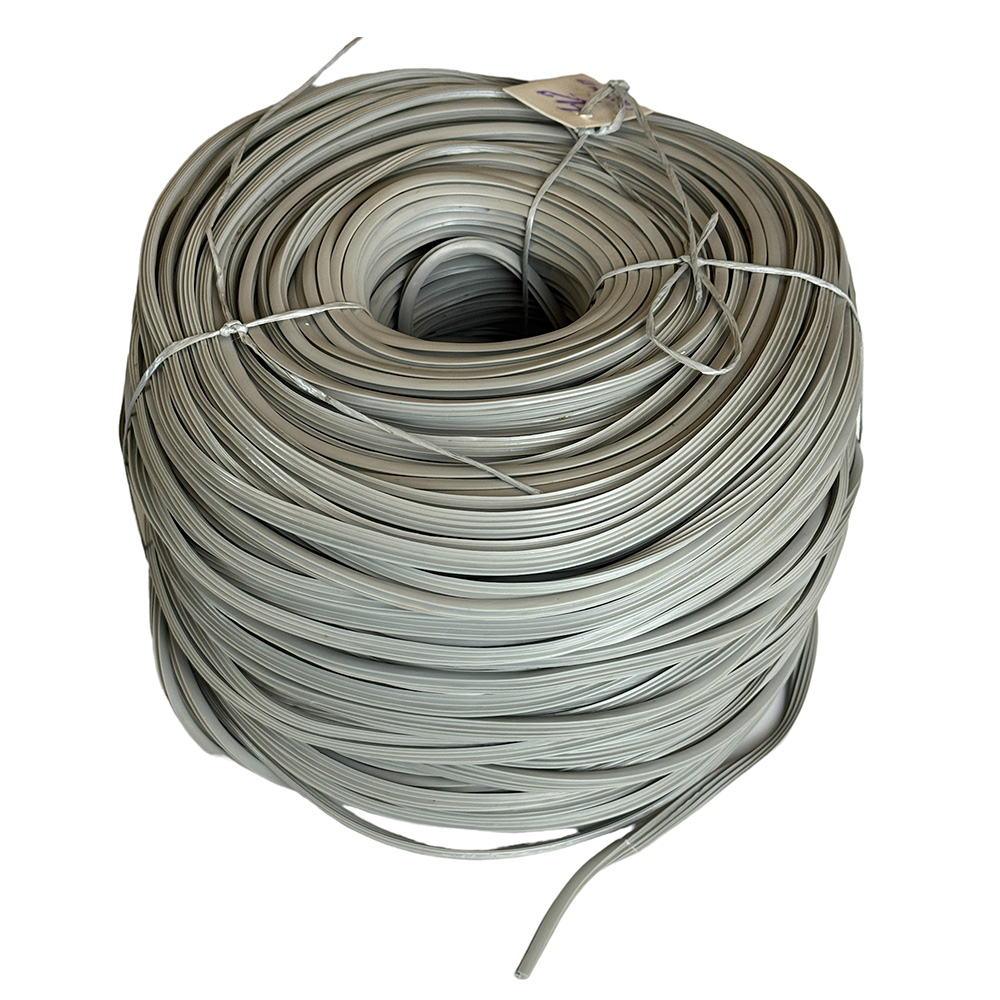
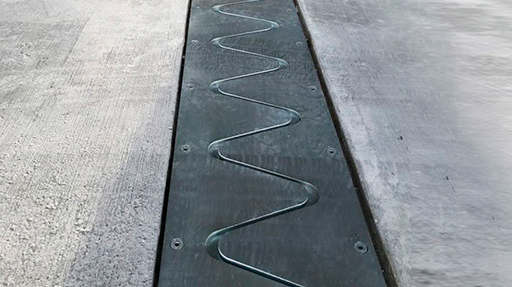
"Herringbone" type profile - PVC sealant for industrial floors and joints with low dynamics. Easy to install, installed in concrete without additional materials.
Internal and overhead profiles . Internal - for embedding into the structure under the finishing coating (tiles, polymers). Overhead - for compensation in already finished objects or in repair work.
With EPDM or neoprene inserts. Withstands loads up to 9–10 tons, has anti-vibration properties.
6. Sealants
Protex sells high-quality sealants:
InnoElast Type-1 / Type-2 are silane-modified polymers. They work on wet surfaces and have high elasticity.
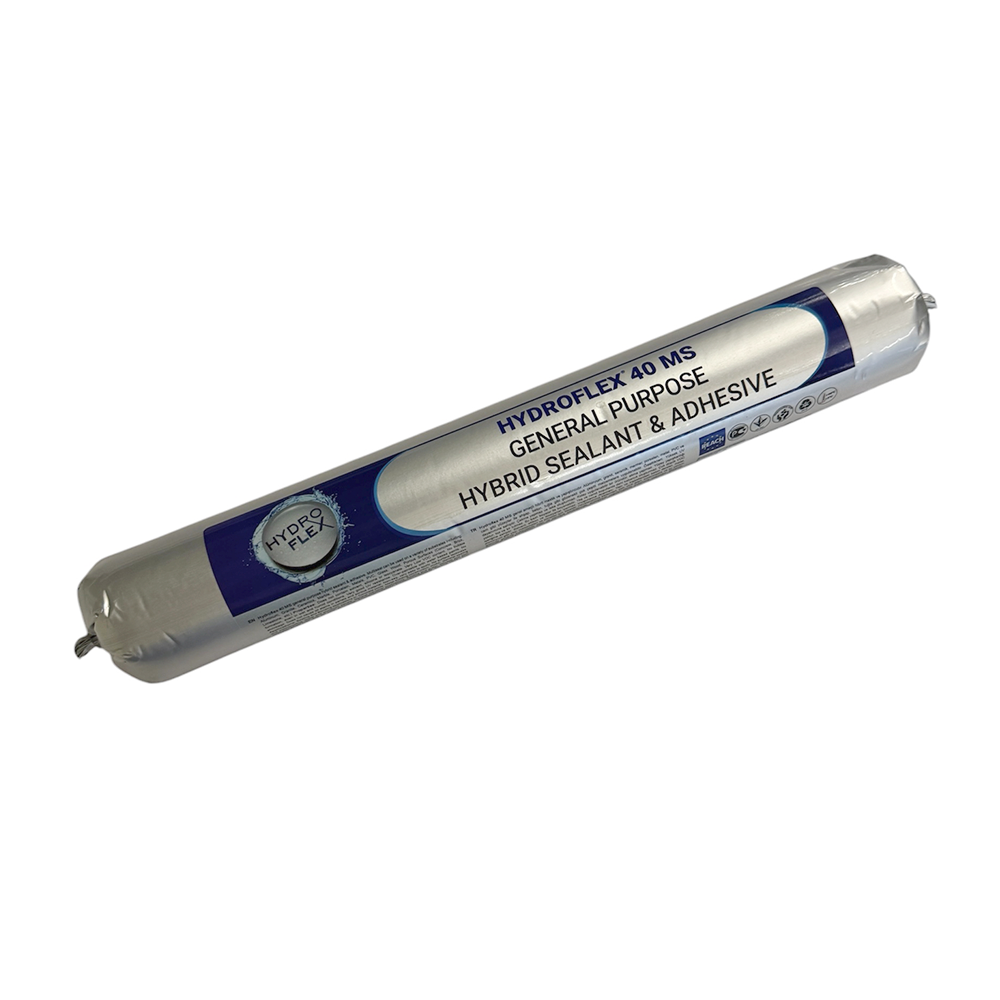
40 MS, 40 FC sealants — different formulas for specific conditions (sun, frost, constant moisture).
 Expansion joints are not just a technical element, but a fundamental component of a reliable structure. Their design must take into account the structural requirements, climatic conditions and the purpose of the object.
Protex offers proven solutions for sealing expansion joints: profiles (internal, overhead, parking), seals,
membrane and tape systems (ProElast, Hydroflex), sealants of various types.
Competent selection of materials and systems from Protex is a guarantee of durability, waterproofing, and operational safety of the structure.
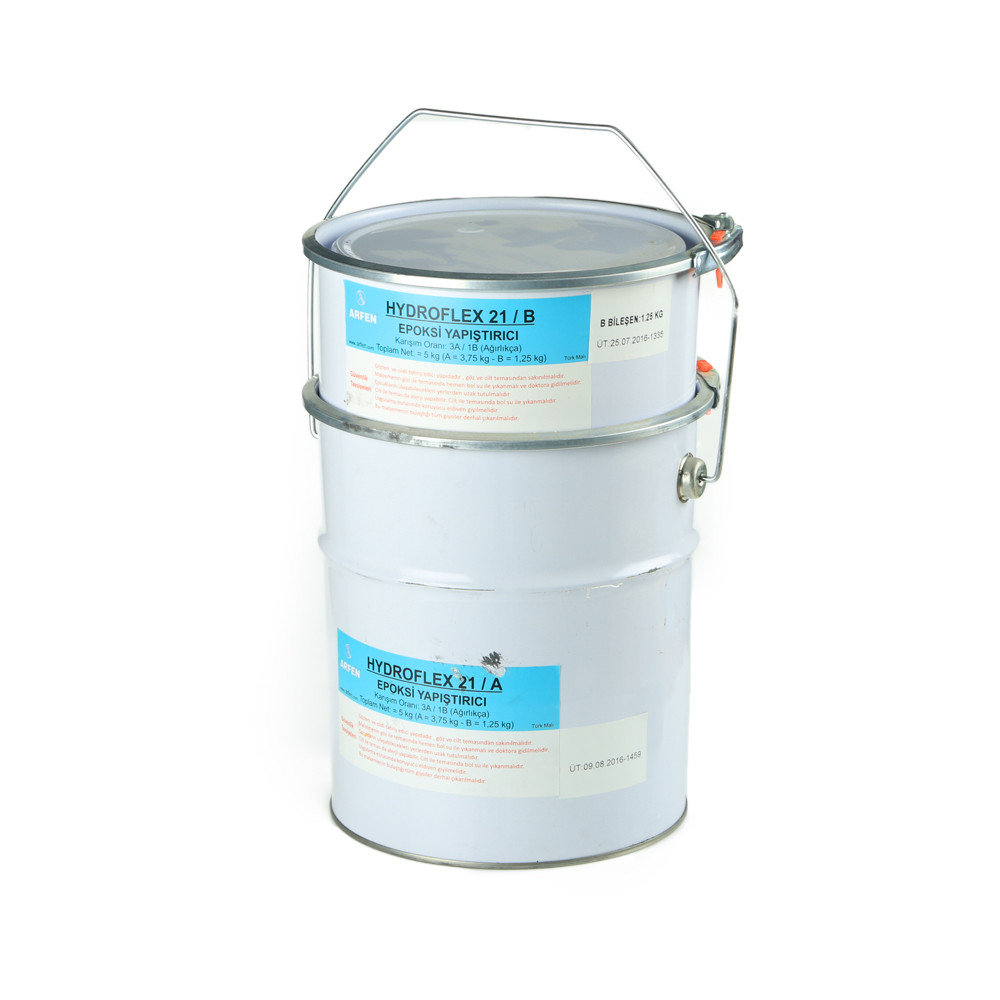
Adhesive repair two-component mixture Hydroflex 21 for sealing seams, 5 kg
Product code: 0419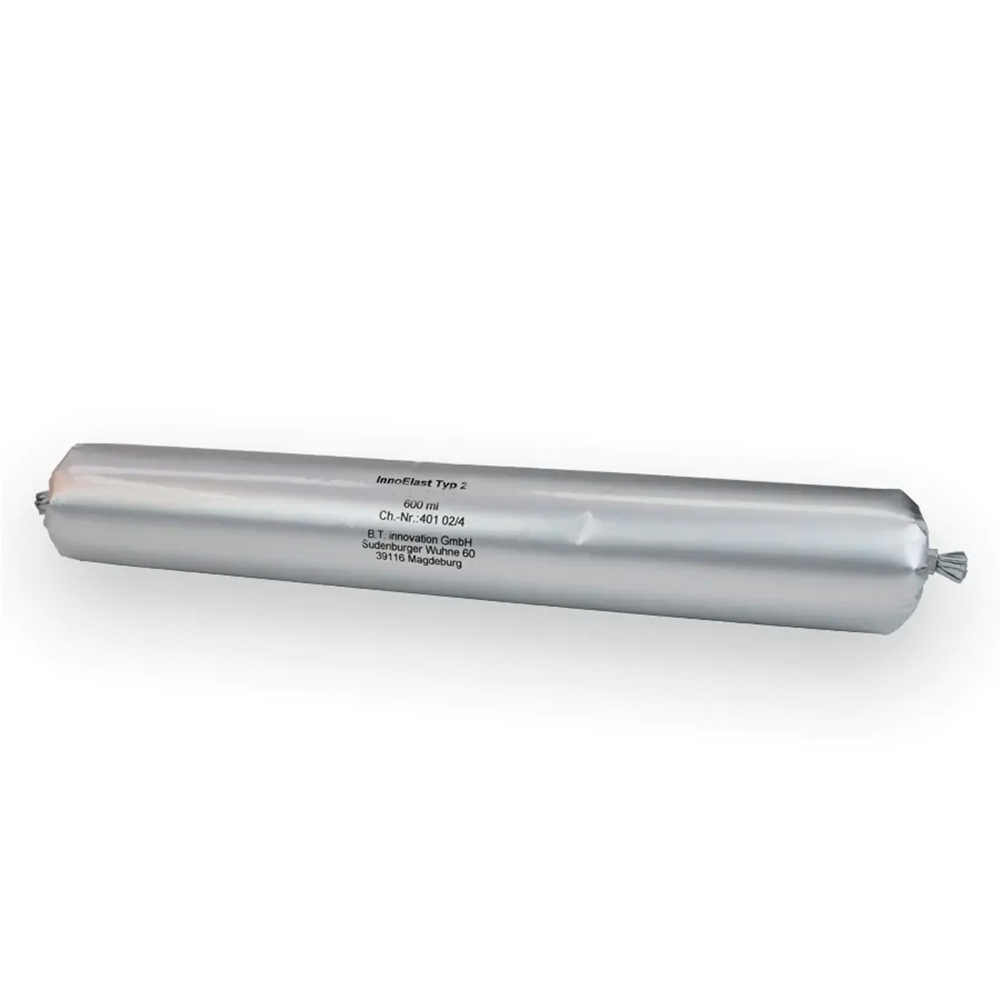


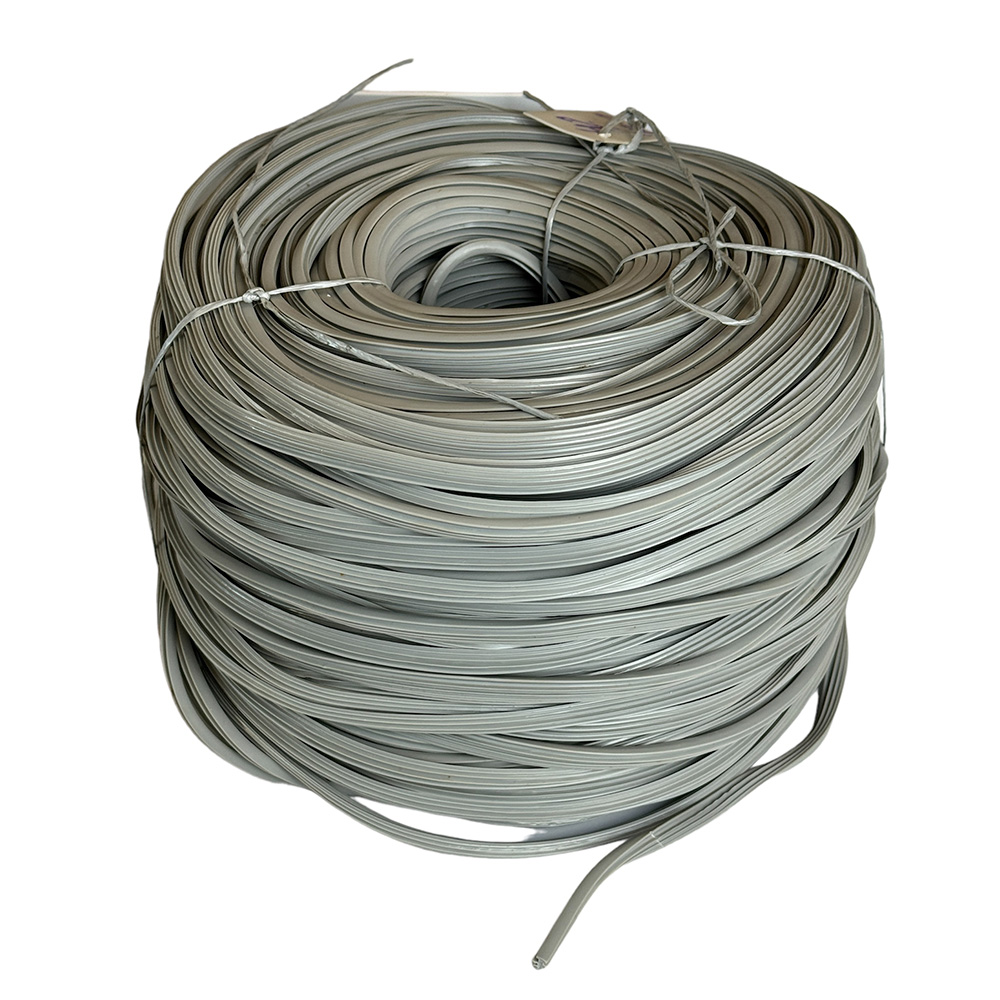
Sealing PVC profile Herringbone for separation and thermal seams 3.8 mm, 200 m.p.
Product code: 0312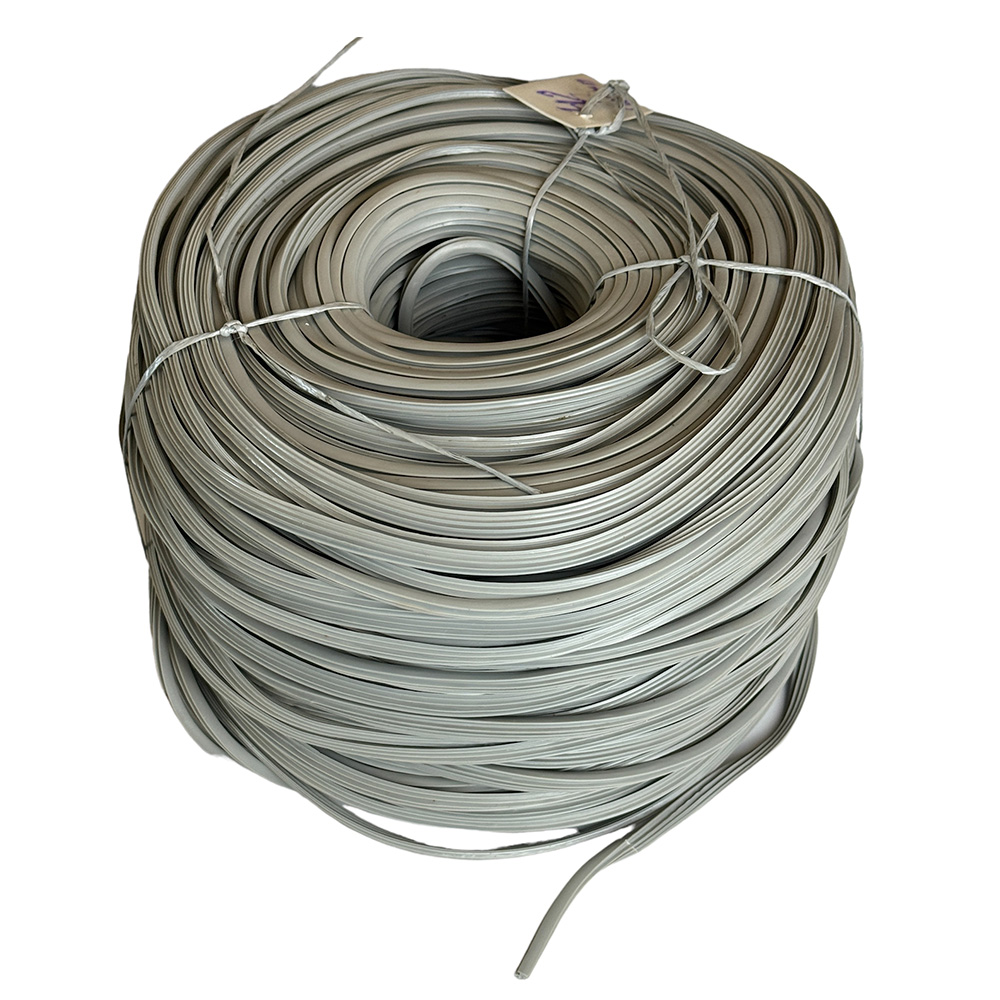
Sealing PVC profile Herringbone for separation and thermal seams 4.2 mm, 100 m.p.
Product code: 0333