



Barrier-free as a new norm in Ukraine: how to choose a tactile tile for the street and premises that will last for decades
Today, in Ukraine, the issue of creating a barrier-free space has moved from the category of «recommendations for European integration» to the status of the most important domestic priority. Due to the full-scale war, thousands of Ukrainian veterans are returning home with serious injuries, including complete or partial loss of vision.
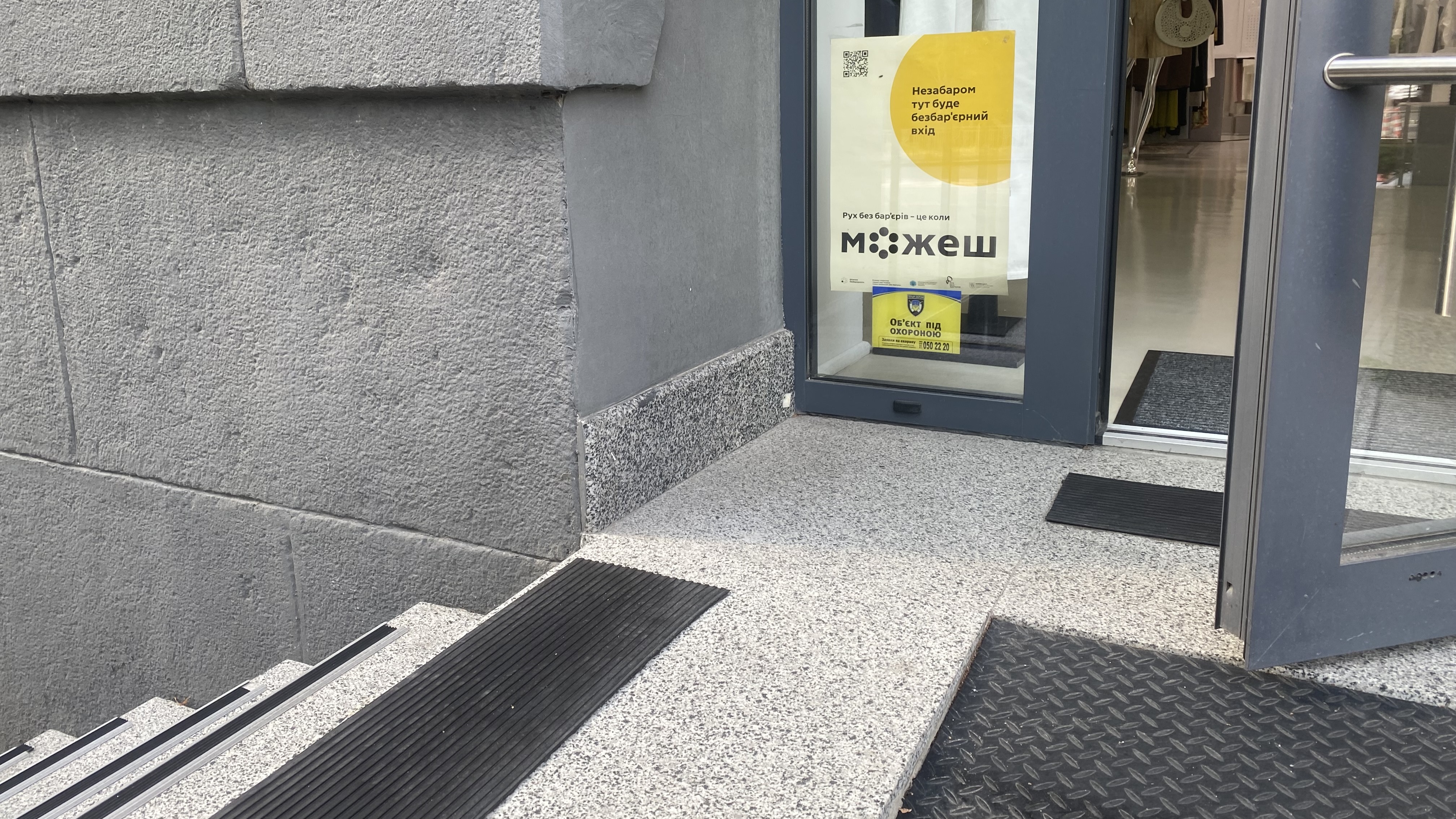
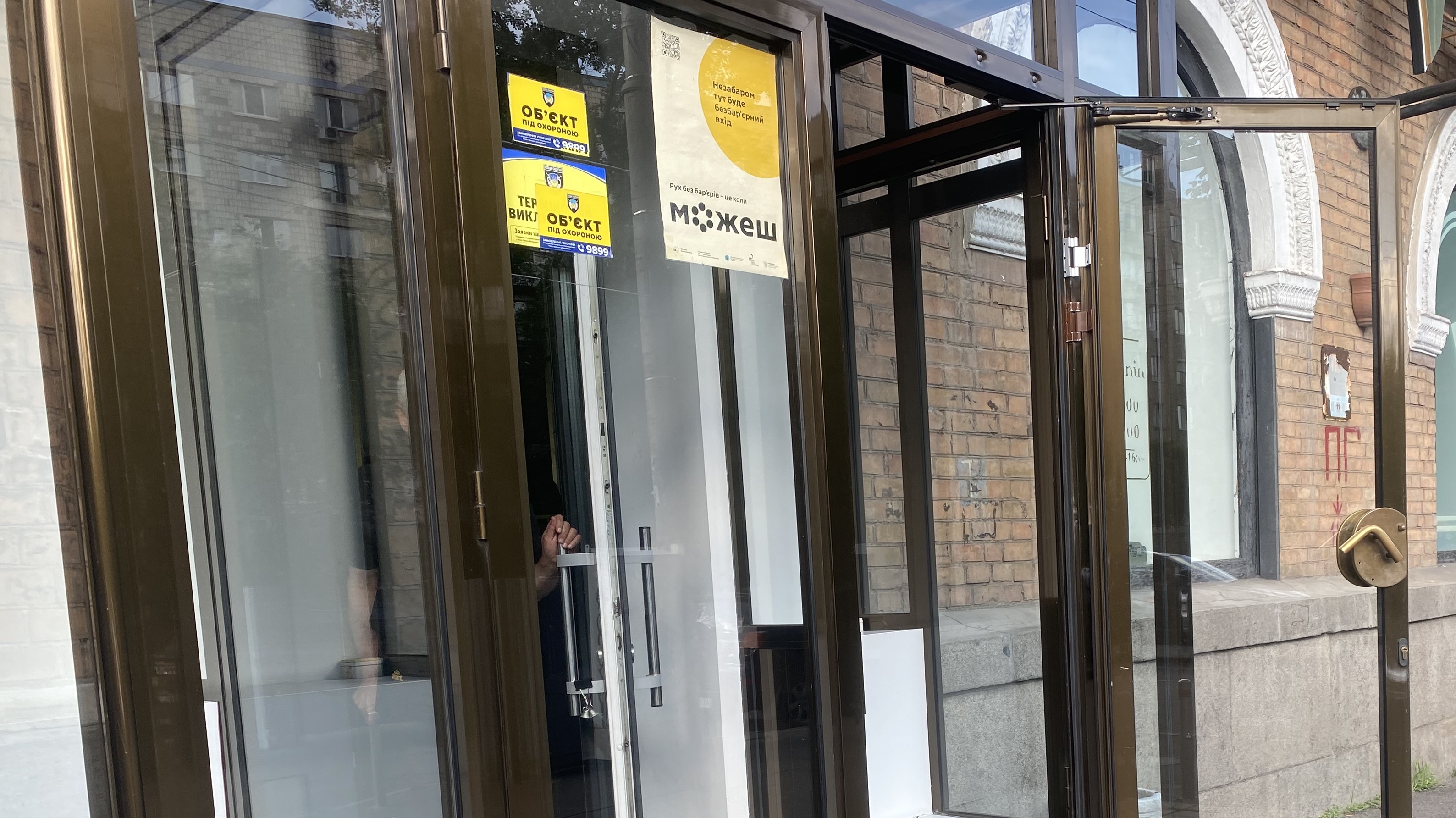
Urban space, government institutions, hospitals, and now private businesses (shops, cafes, pharmacies) are faced with the challenge of adapting infrastructure to new realities as quickly as possible. High-quality tactile tiles on sidewalks and in buildings are now a basic tool that provides autonomy to people with visual impairments.
However, for the customer or architect, choosing this material often turns into a quest: how to ensure that the relief does not wear off during the first winter, and the tile itself does not crumble under the weight of pedestrians or cleaning equipment?
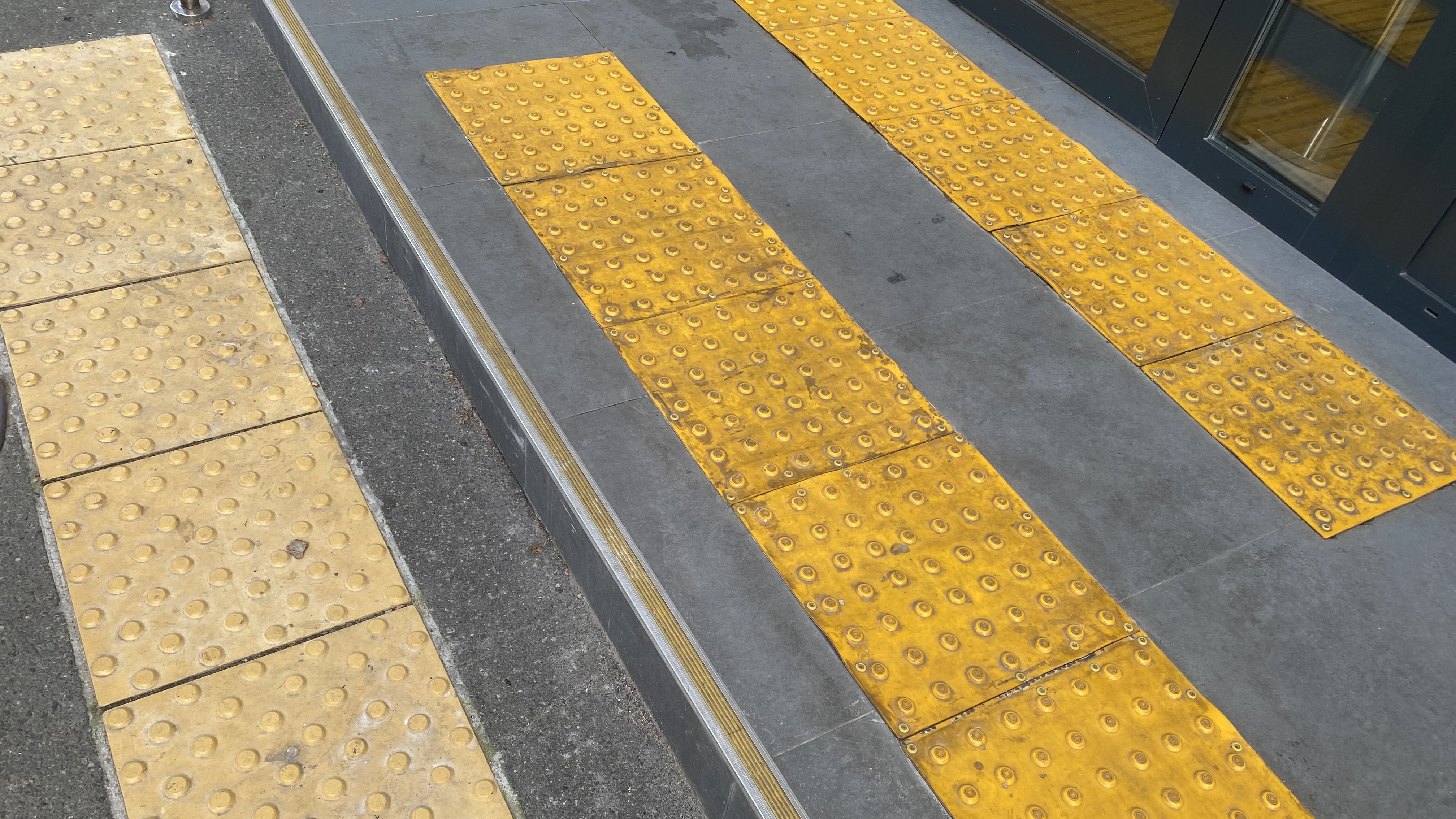
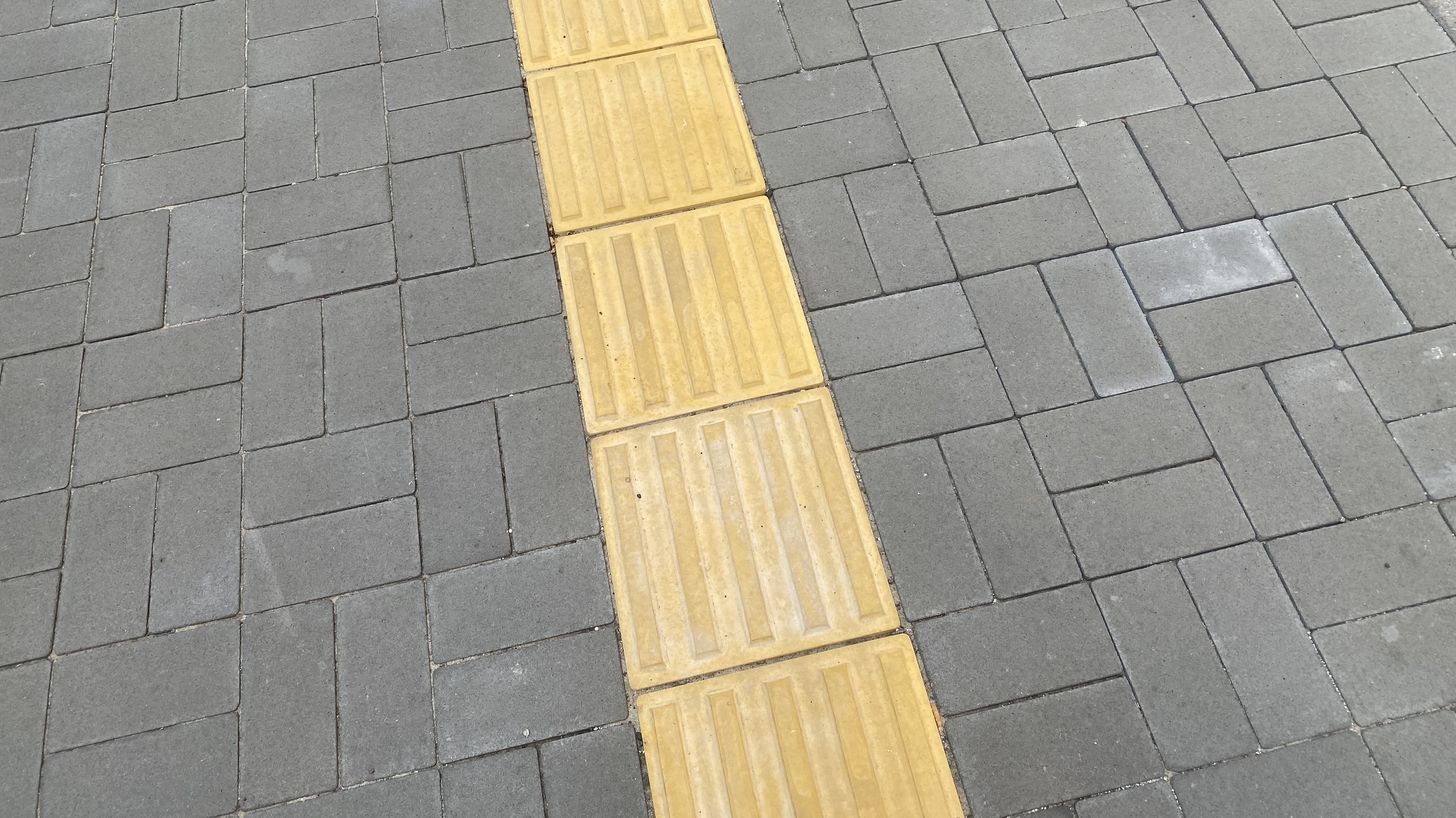
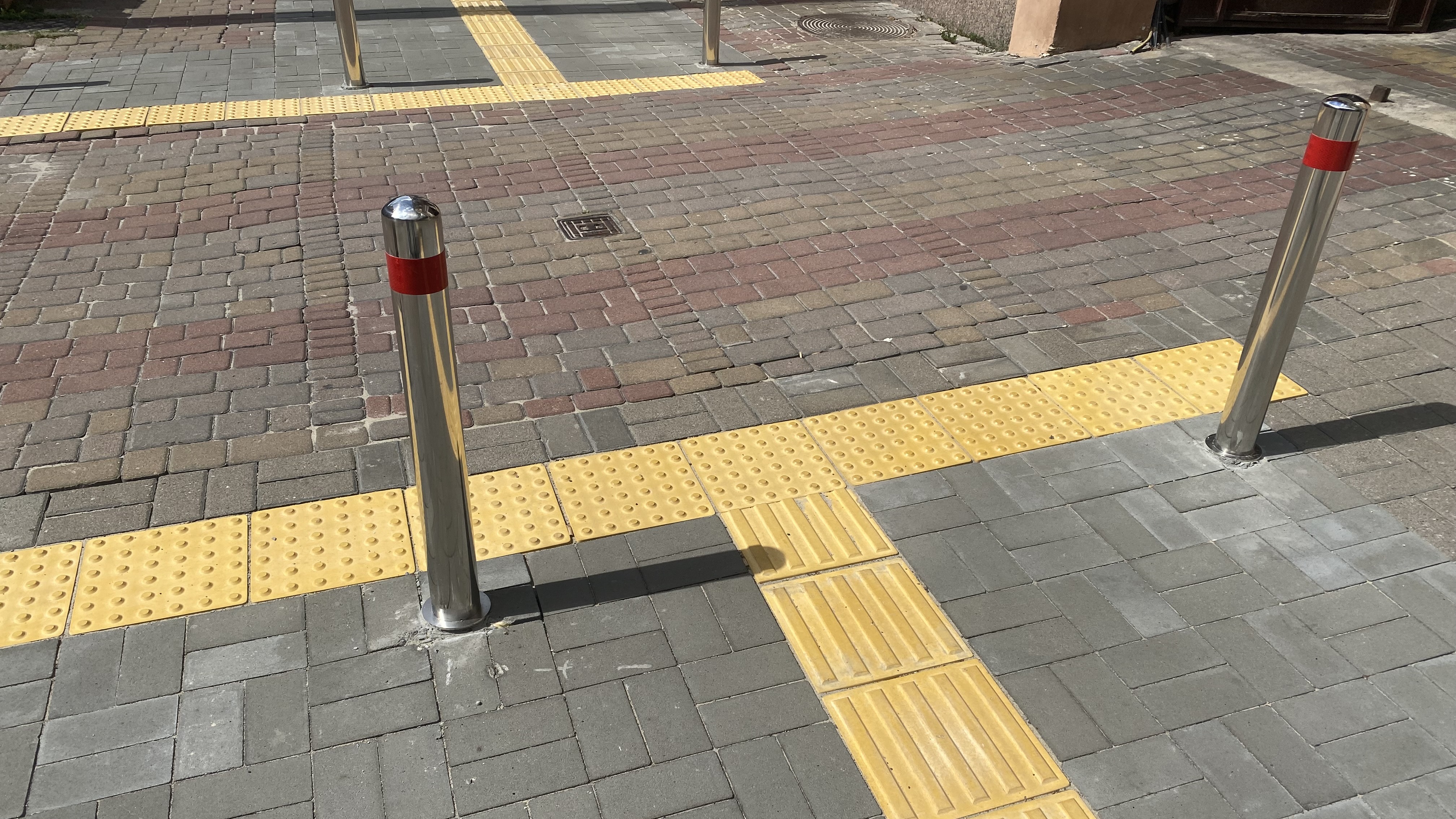
In addition to the type of texture (guide with longitudinal stripes and warning with truncated cones), the choice of coating material is extremely important:
1 Concrete: Most often used for street sidewalks. They are strong and durable, withstand heavy loads, but crumble more quickly from moisture and frost under the influence of automobile or pedestrian loads. This is the cheapest option, but not the most durable.
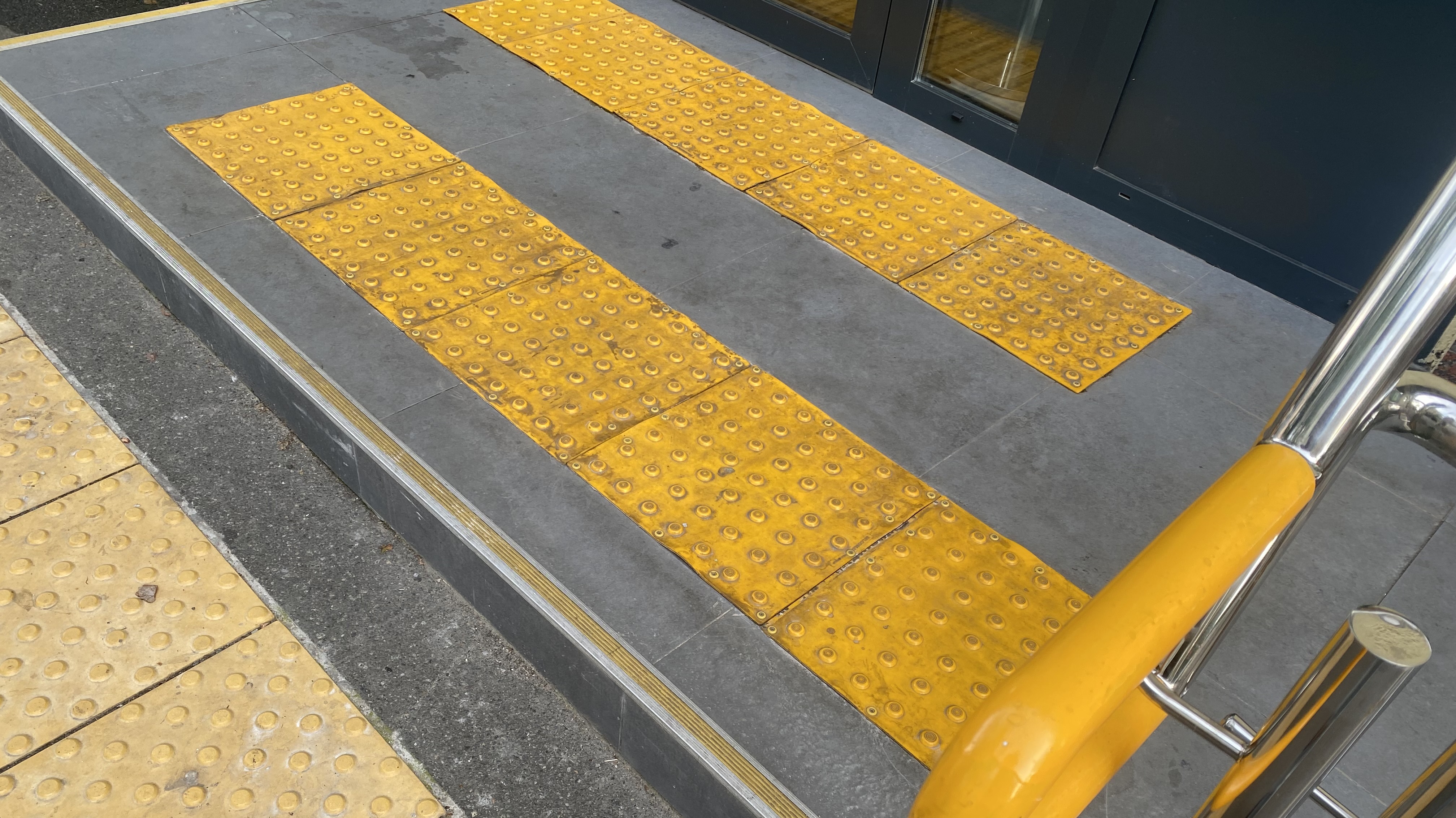
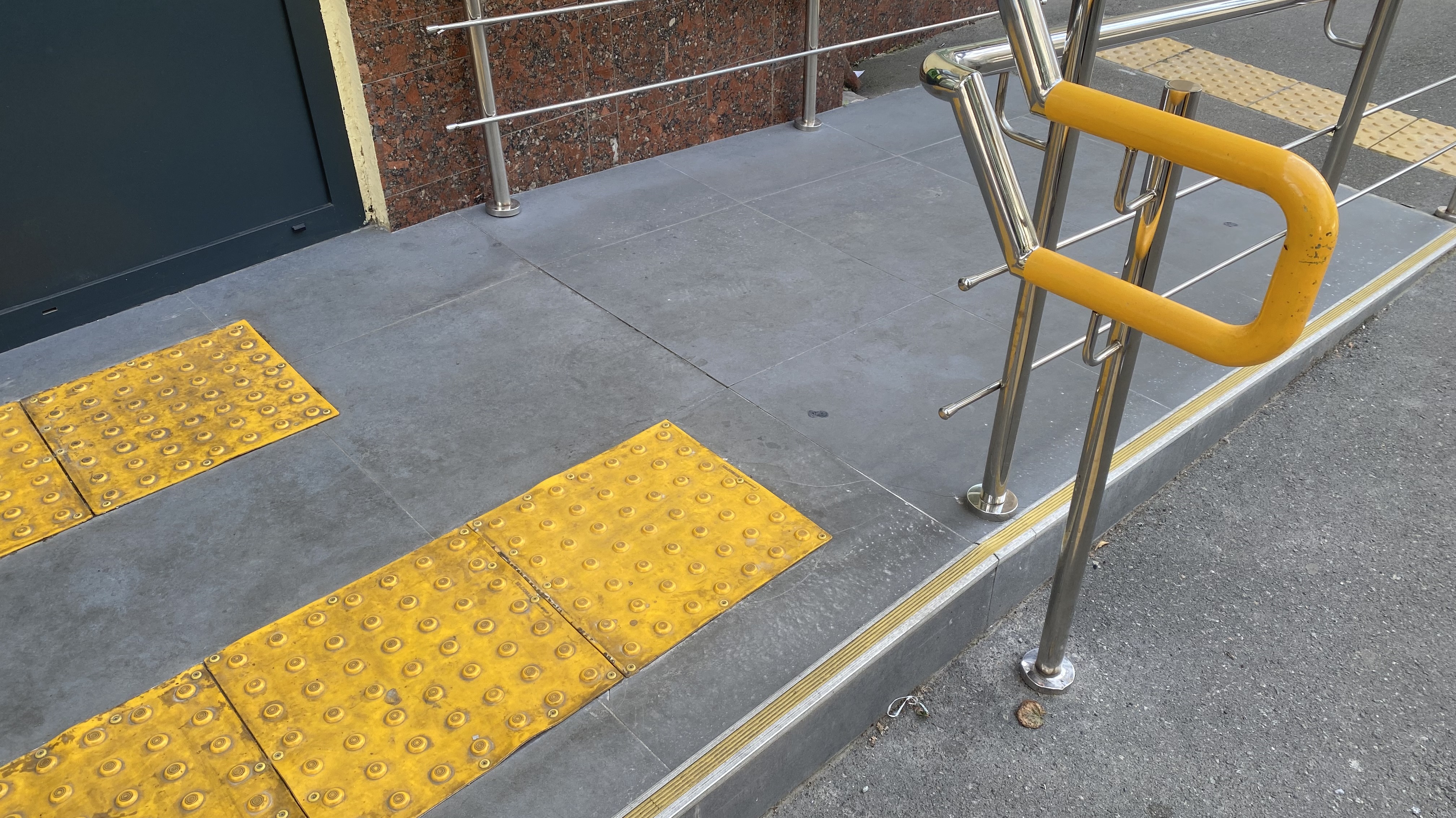
2 Polyurethane: An elastic material that is the optimal solution for installation inside buildings (at airports, train stations, shopping malls, stores, banks), and is also suitable for laying on a finished surface.
3 Polymer-sand: A great outdoor option that is not afraid of temperature changes, moisture, and is resistant to wear. However, by its design, such tiles are built-in, so they are only suitable for initial construction or major repairs.
Which material to choose? Our advice.
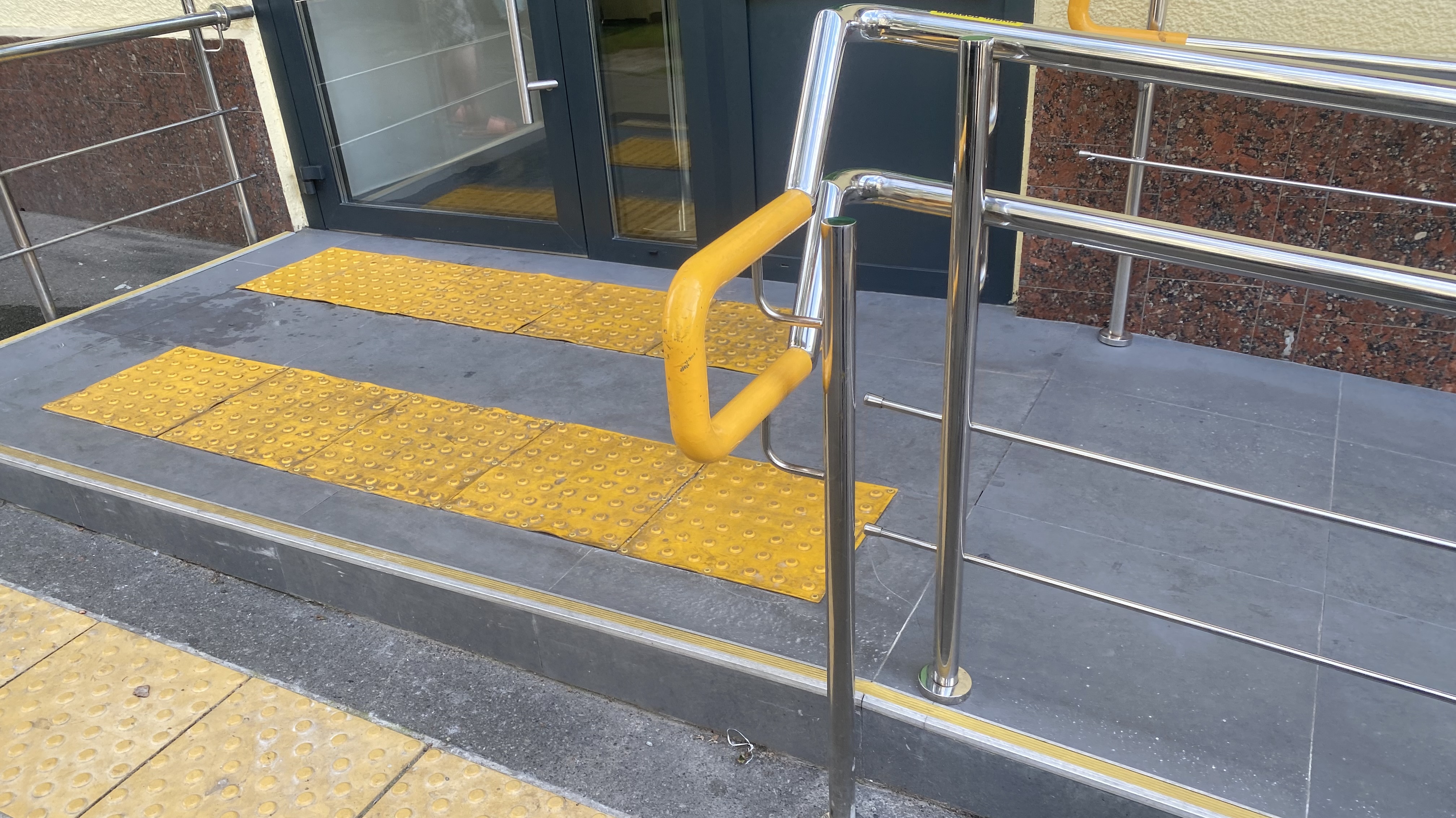
Having our own practical experience and a clear understanding of the specifics of the objects, we chose the gold standard: polyurethane elastic tiles Arfen. This is the best that can be invented for indoors. Polyurethane is extremely wear-resistant, but at the same time elastic. It withstands the constant pressure of women’s heels, does not crack and has excellent anti-slip properties. A big plus is the availability of models on a self-adhesive basis, which allows you to mount a tactile strip on clean tiles or laminate in just a few hours without dust and noise. It is also suitable for the street, because it does not lose its properties from the effects of ultraviolet radiation and temperature changes.
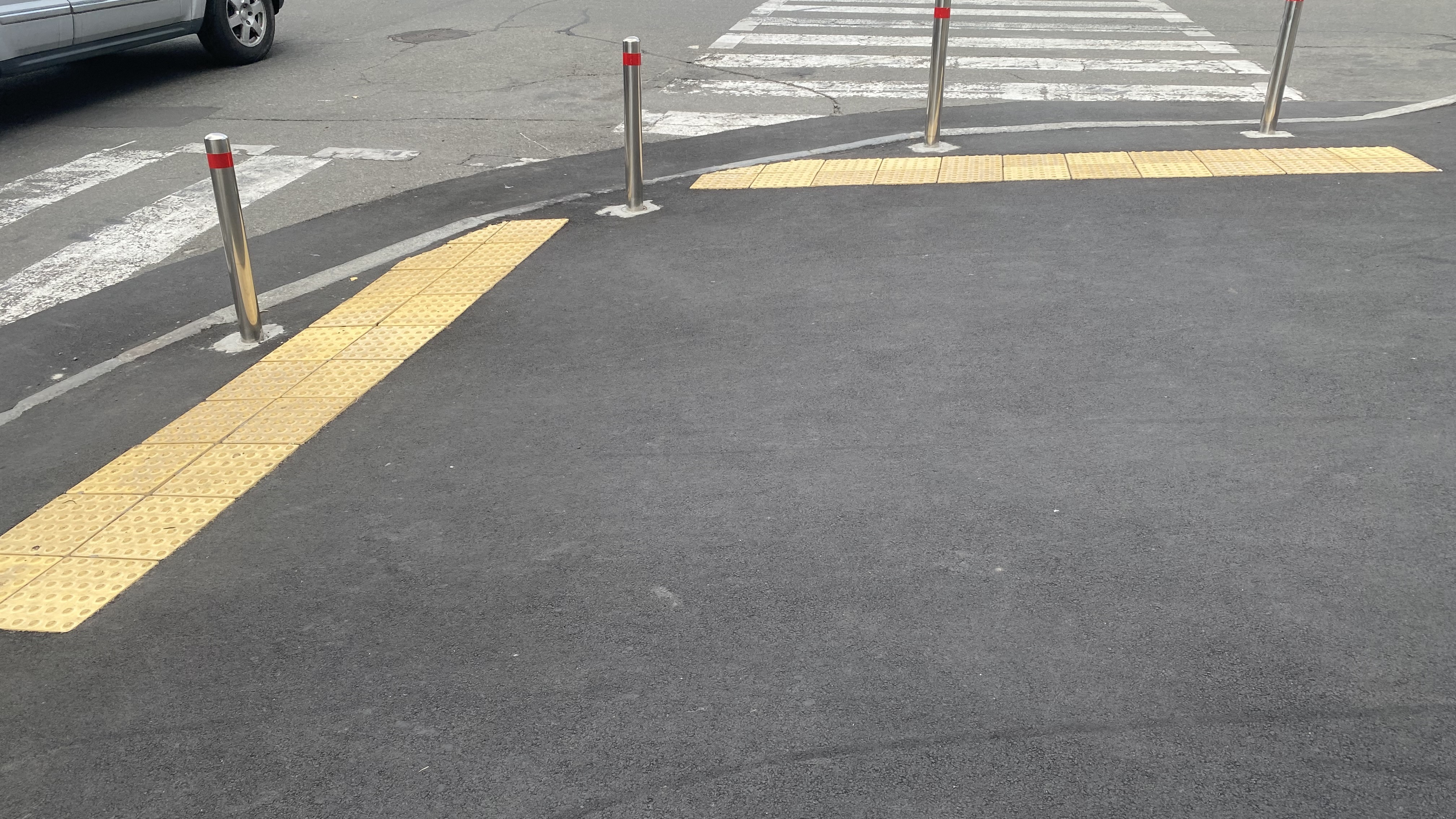
Try to avoid budget concrete tactile tiles on streets with high traffic. Due to its porous structure, concrete absorbs water, which during frosts breaks it from the inside, causing the tiles to crumble quickly. Depending on the installation method, choose:
— for repairs that have already been completed, polyurethane overlay tiles;
— for the capital construction stage, built-in polymer-sand tiles, which are laid on the same level as the main coating, are better suited.
Remember, a barrier-free environment is not just the floor under your feet, it is a comprehensive approach to safety. That is why our range has everything you need to create an inclusive space on a turnkey basis: we offer a variety of handrails, wall and corner bumpers, flexible skirting boards, as well as rehabilitation products. Contact us so that we can help you choose the right set of materials.
