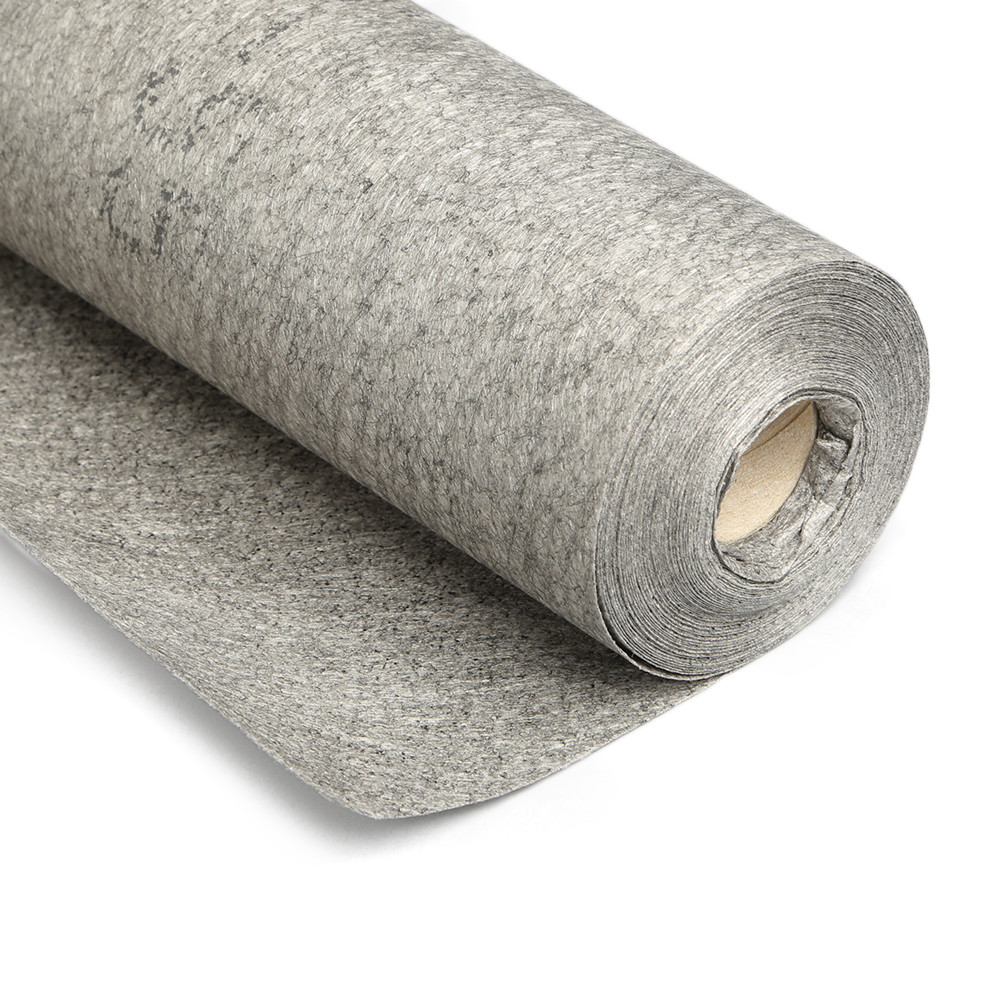
which geotextile to choose: heat-fixed, needle-punched, heat-treated
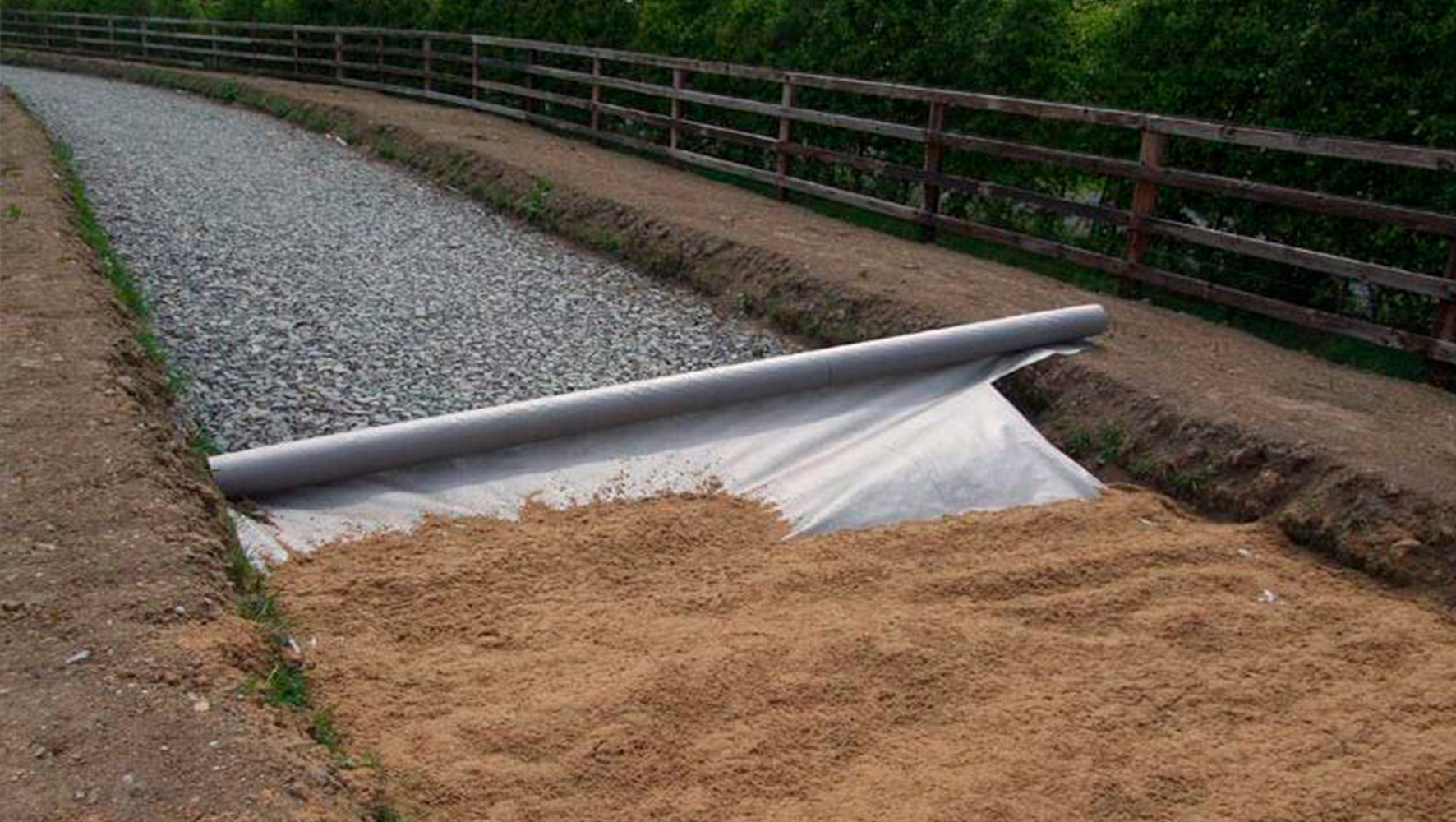
The use of geotextiles has become a necessary step in modern construction: in landscaping, sports grounds, road construction, and in the creation of hydraulic structures. Unlike other similar materials, geotextiles are resistant to fungal infection and rotting, and are not exposed to moisture, which allows them to be used for many years. Geotextiles made of polypropylene yarns or polyester have no limitations on their physical parameters. In fact, this is an eternal material. As a result, it is possible to reduce the cost of renewing the geotextile layer, thereby increasing the operational life of the facility.
There are three types of geotextiles: thermobonded, thermoset, and needle-punched.
What are the main functions of geotextiles as a whole?
- divide
- reinforcement
- drainage
- filtration
It is very important to understand what the main purpose of the selected geotextile will be:
- If the main purpose of the geotextile is drainage and filtration, we choose needle-punched geotextiles.
- If the main purpose is to reinforce the surface, we choose heat-treated geotextiles.
- If the main purpose is to be used in road construction, where strength is an important indicator, we choose thermoset geotextiles.
Let's consider each type of geotextile:
Needle-punched geotextile is a non-woven fabric made of synthetic fibers bonded together mechanically. Needle-punched geotextile has a greater elongation compared to heat-treated types of geotextiles, as well as high resistance to damage. Needle-punched geotextile has a high elongation coefficient, easily takes the required shape and has excellent filtering abilities in the longitudinal and transverse directions, withstands operational loads, and retains filtration qualities.
Where is needle punched geotextile used?
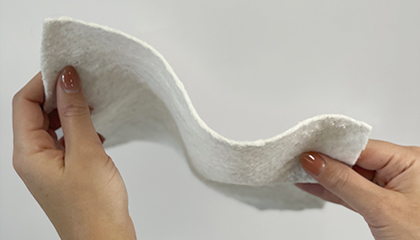 Landscape design - for separating soil-sand-gravel layers and protecting against unwanted root and weed growth
- Construction of hydraulic structures - protection of waterproofing membranes from mechanical damage
- Road construction - reinforcement of the roadbed and slopes near the road
- Drainage systems - to protect the foundation during construction and to drain excess moisture
- Construction of tunnels, railways, overpasses
- Laying paving slabs
Thermoset geotextile - is a non-woven material consisting of polyester threads. Geotextiles are produced by heat treatment of polyester or polypropylene fibers. Additional heat treatment ensures high strength characteristics, filtration and drainage properties of geotextiles. Geotextiles have increased resistance to crushing and stretching.
Where is thermoset geotextile used?
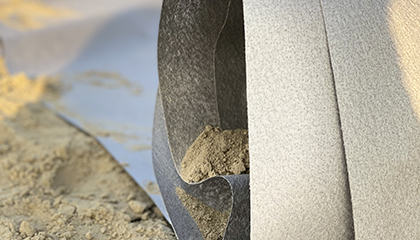 Strengthening slopes and embankments in road construction - for separation, filtration and reinforcement as an auxiliary layer, prevents slope collapse
- Road construction - to reduce deformation of the roadbed and separation of soil-sand-gravel layers
- Tunnel construction - for protection and drainage layer between rock and insulating coating
- Hydraulic engineering - to prevent water erosion of soil and filtration under coastal reinforcement
- Construction of sports grounds - for the arrangement of drainage systems
- Foundation construction - for groundwater drainage and gravel-soil separation to avoid silting of the drainage pipe
Heat-treated geotextile is a non-woven material that is made from synthetic fibers by needle-punching and subjected to heat treatment. As a result of heat treatment, the fibers are sealed, withstand high pressure and tension, forming a strong layer. The filtering capabilities are preserved only in the transverse direction.
Where is heat-treated geotextile used?
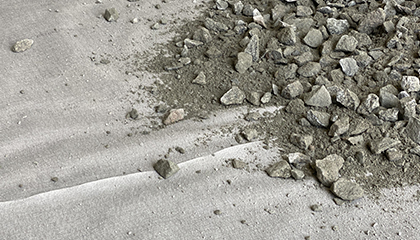 Separation of bulk materials: soil-sand-crushed stone-screening
- Reinforcement of weak foundations
- Filtration in drainage systems
- Protection against soil erosion
- Installation of hydraulic structures
- Inversion roof installation
- Construction of roads and railways
- Landscaping and landscape design
- Installation of drainage systems
- Garment and footwear industry
- Furniture production
Related products
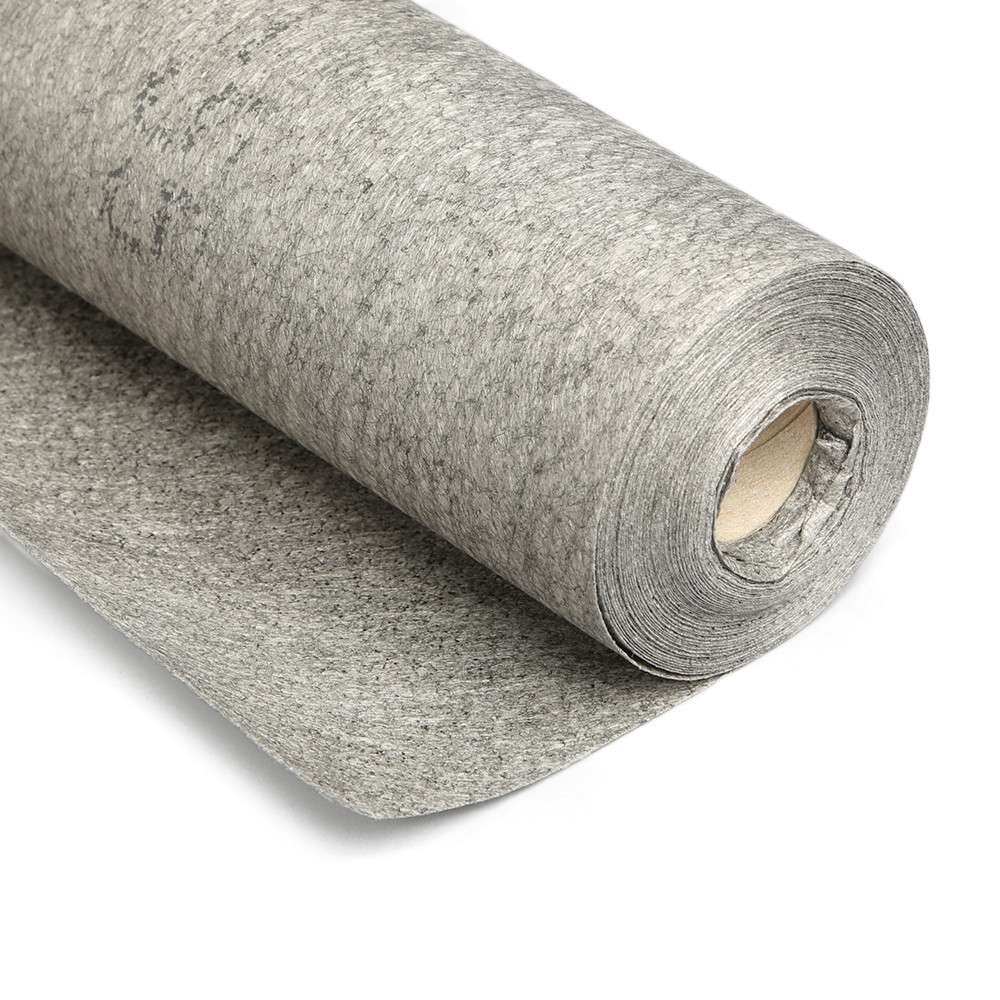
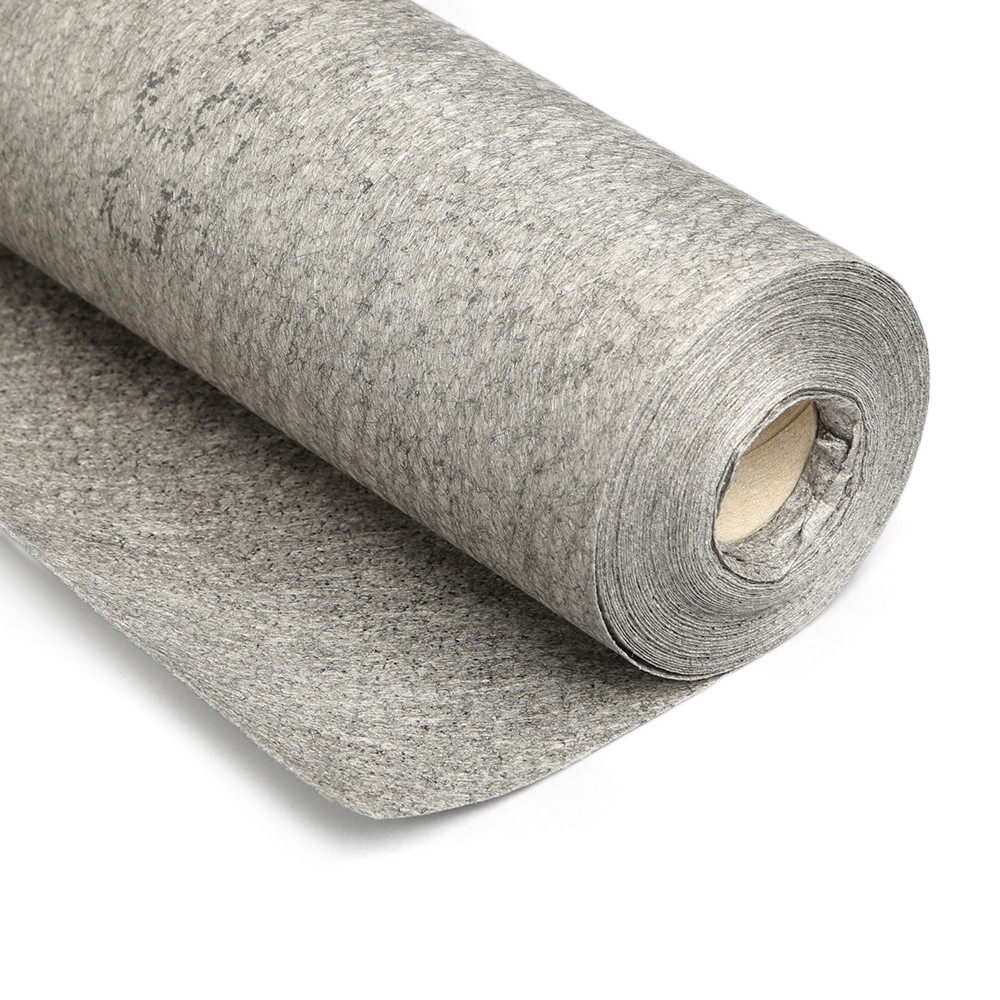
Geotextile heat-worked Fibertex F-20 100 g/sq.m, gray, 5x20m, 100 m2
Product code: 0183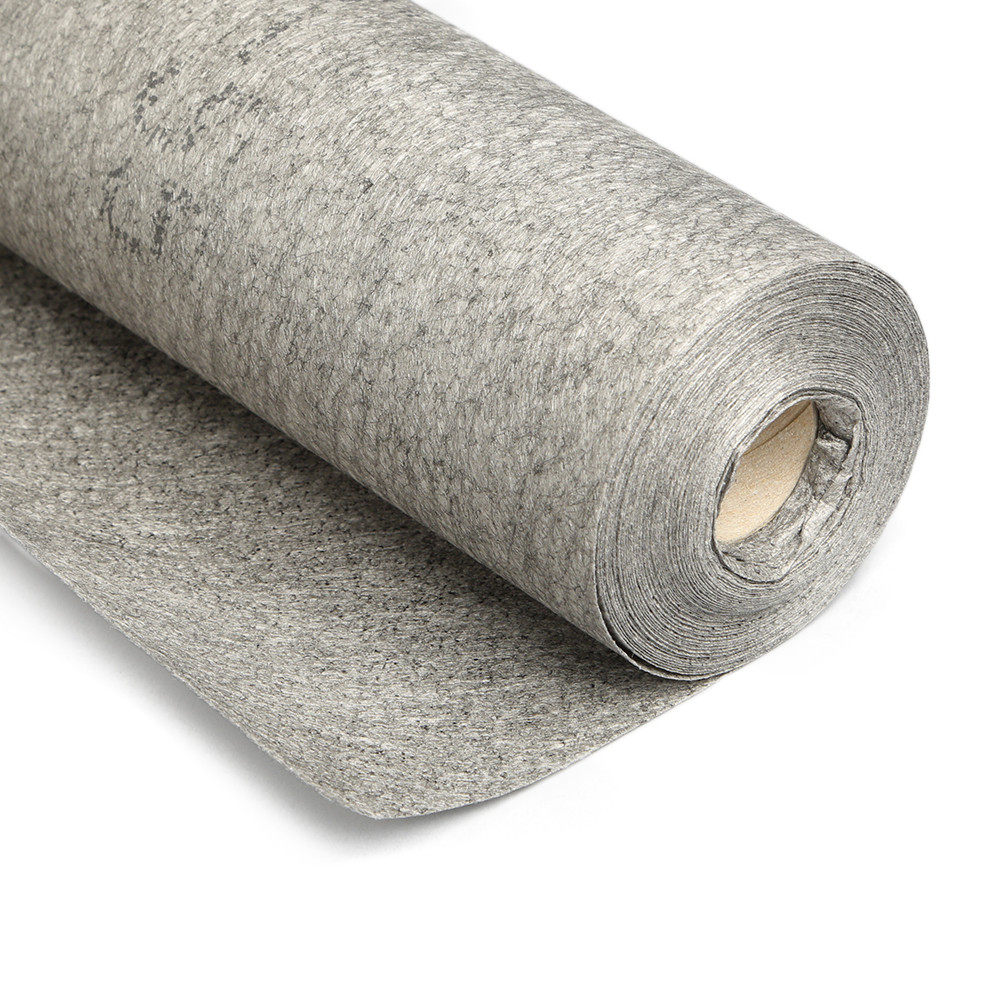
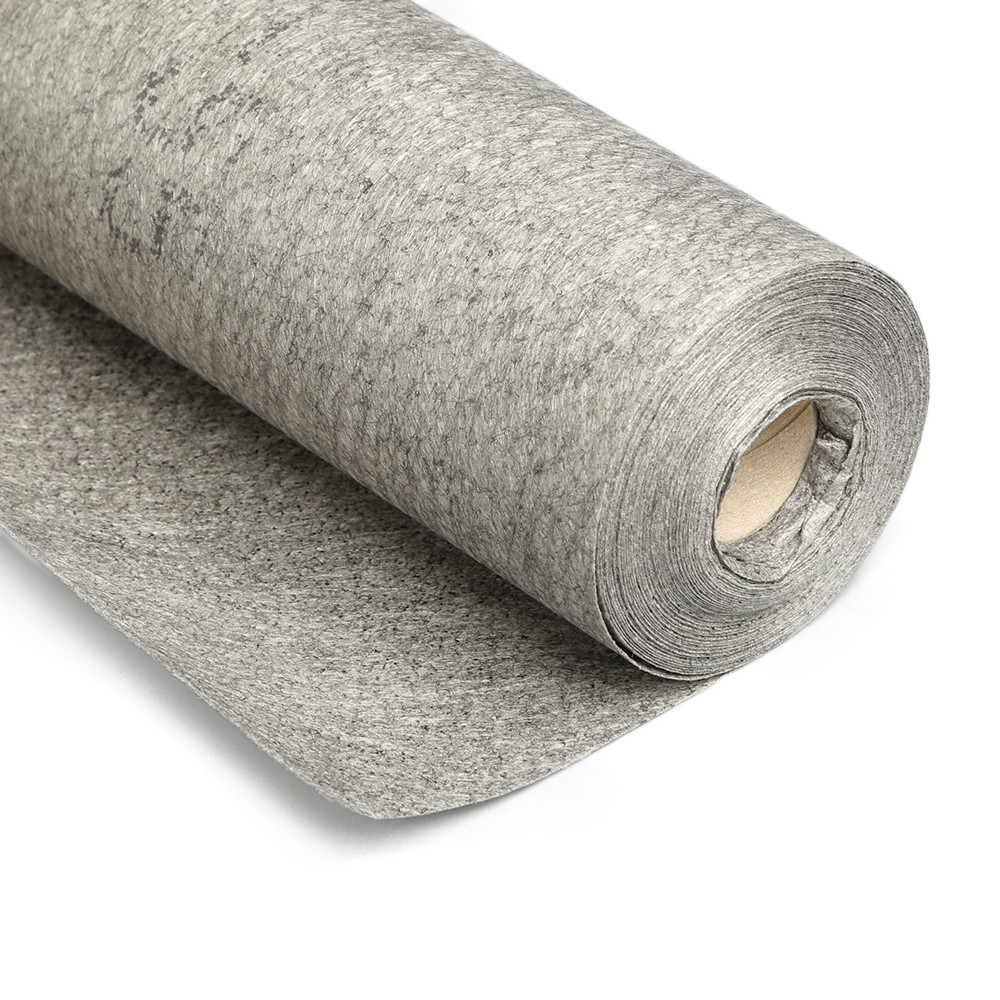
Geotextile thermal fibertex F-35 200 g/sq.m, gray, 5x20m, 100 m2
Product code: 0186