



Geotextiles for driveways: how to choose and use them correctly
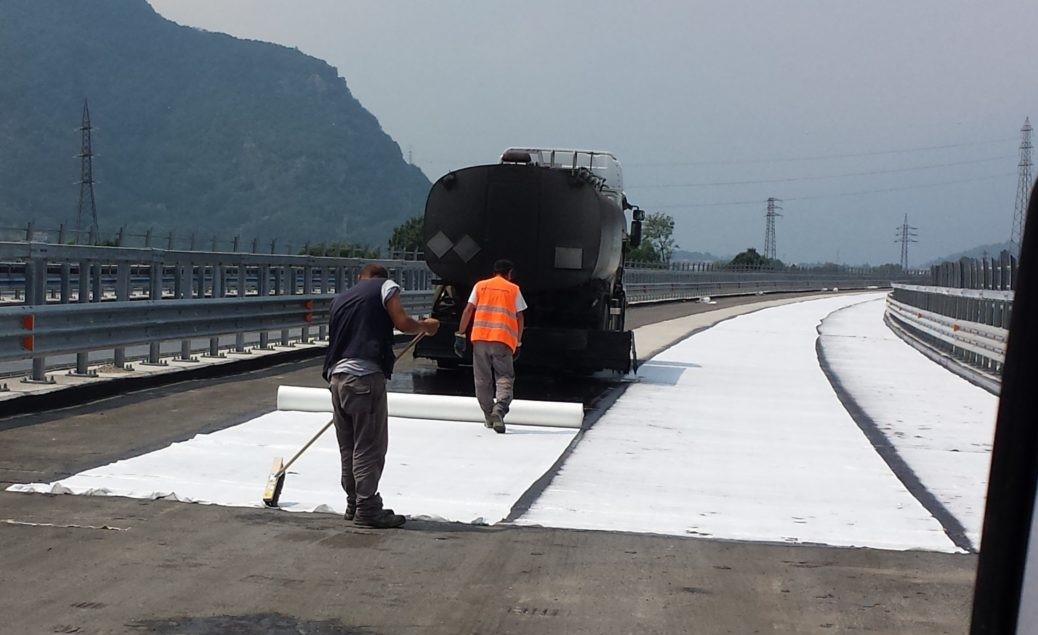
The construction of access roads is an important stage in both private construction and industrial or commercial facilities. Often, the main attention is paid to the upper surface, but it is the high-quality preparation of the base that determines the durability and reliability of the road. One of the most effective solutions for strengthening the road structure is the use of geotextiles.
Geotextiles for driveways are modern non-woven materials made of polypropylene or polyester fibers. They perform several functions at once: layer separation, reinforcement, drainage, and filtration. Due to their structure, geotextiles allow water to pass through but retain soil particles, which prevents silting and destruction of the road base. 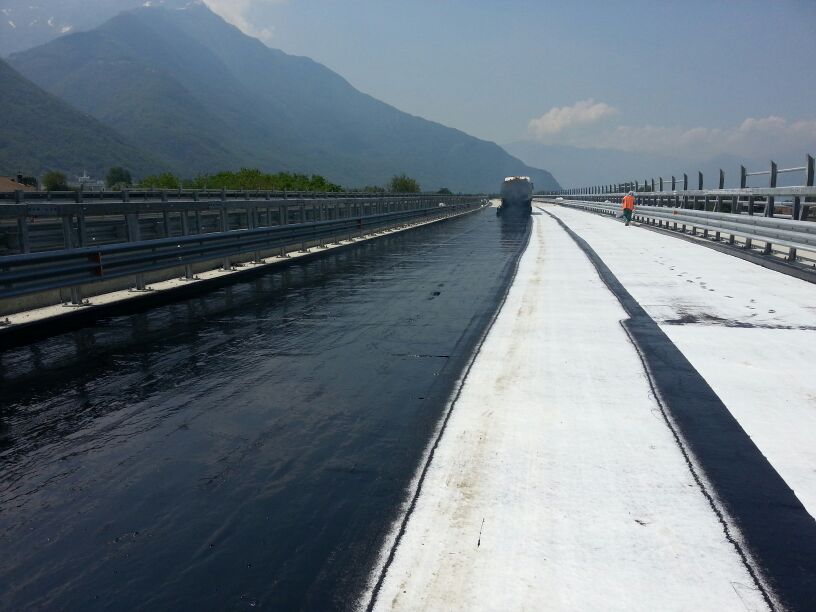
The main advantage of geotextiles is that they prevent the mixing of soil and crushed stone layers. Without them, crushed stone gradually “enters” the soil, which leads to subsidence of the road and the formation of ruts. The use of geotextiles allows you to evenly distribute the load from transport, increase the bearing capacity of the base and significantly extend the service life of the coating.
Geotextiles play a particularly important role in water drainage. Moisture is one of the main causes of road damage, as it weakens the base and contributes to the deformation of the pavement. Geotextiles provide effective drainage, preventing water from accumulating in the road structure.
When arranging driveways, it is important to choose the right density of the material. For private areas, garden paths and driveways for cars, the optimal solution is geotextiles with a density of about 200 g/m². If the road will be subjected to greater loads, for example, on construction sites or when moving freight vehicles, it is advisable to use geotextiles with a density of 250–300 g/m². Thermally bonded geotextiles, which have increased strength and resistance to mechanical loads, perform best.
The technology of laying geotextiles is quite simple, but requires compliance with certain rules. First, it is necessary to prepare the base: remove vegetation, level the surface and eliminate all irregularities. Next, the geotextile is deployed along the entire length of the access road. The sheets are laid with an overlap of approximately 20–30 cm to ensure the integrity of the layer. After that, the material is covered with crushed stone or sand with a layer of at least 200 mm. It is this design that ensures the stability and durability of the road surface.
Thus, geotextiles are a necessary element in the construction of access roads. It not only improves the quality of the road, but also significantly reduces the cost of its repair in the future. The use of geotextiles is a simple but effective solution for creating a reliable and durable base.
Our company offers a wide selection of geotextiles of various densities for access roads, construction sites and other facilities. All materials are available and meet modern quality requirements. We will help you choose the best option for your tasks.
Questions and answers
 Which geotextile to choose for a driveway? In most cases, a geotextile with a density of 200–300 g/m² is suitable, depending on the load.
Is it necessary to use geotextiles under crushed stone? Yes, it prevents the layers from mixing and significantly extends the service life of the road.
What overlap should be used when laying? The recommended overlap is 20–30 cm.
Can geotextiles be laid without preparing the substrate? No, the surface must be cleaned and leveled.
What is the minimum thickness of the crushed stone layer? At least 200 mm to ensure structural stability.
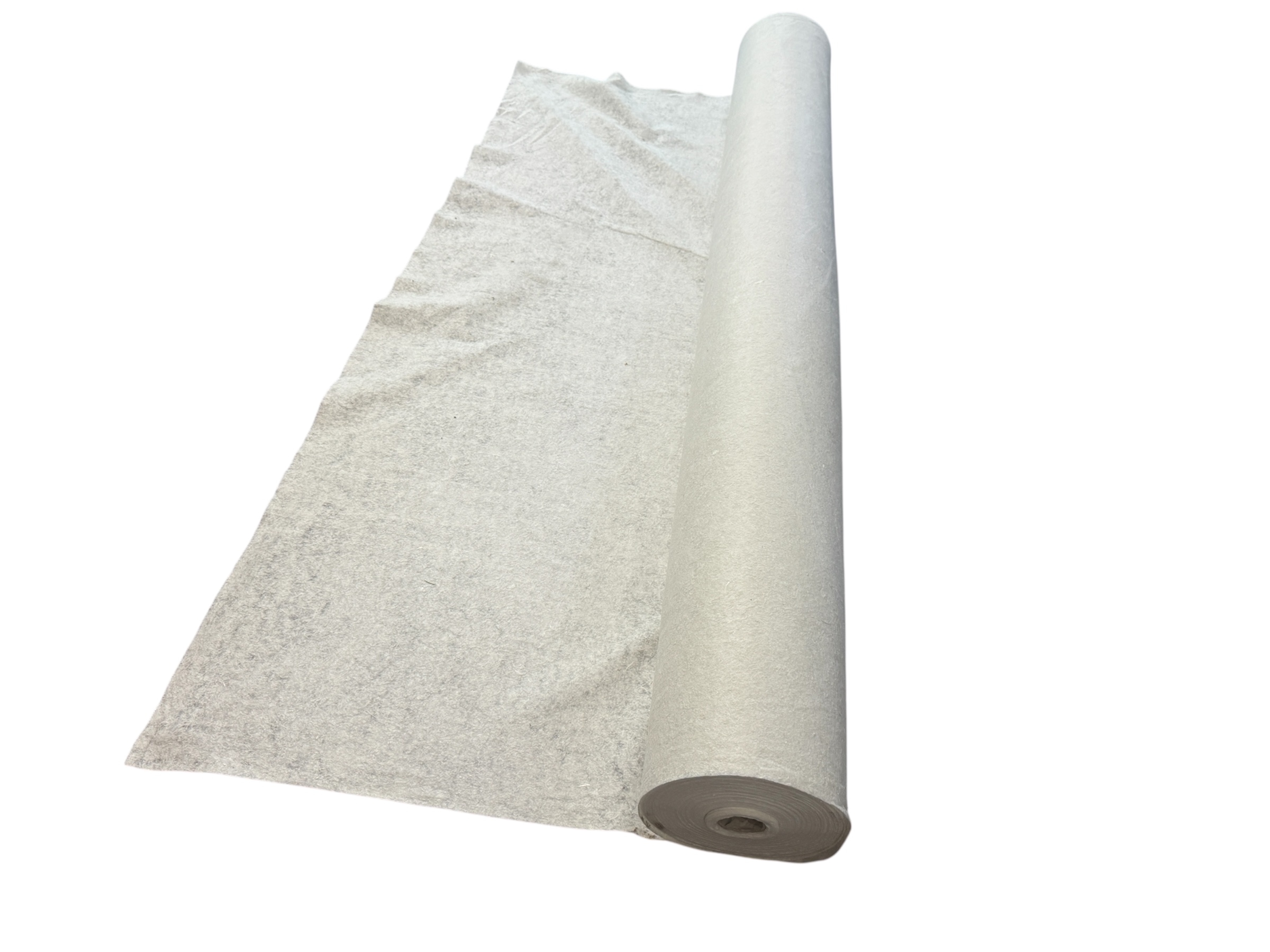

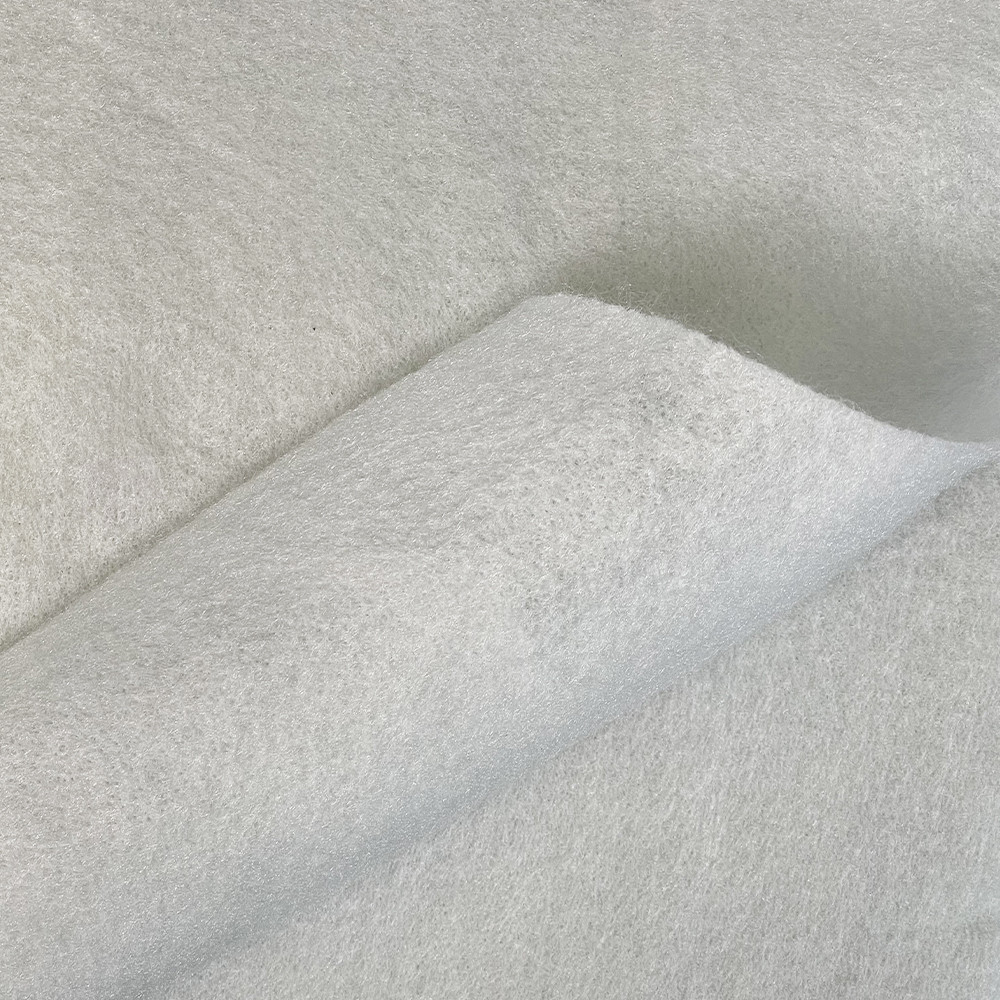
Geotextile thermal fixed NTB150 TC 150 g/m², 2x50 m white (Italy)
Product code: 0397
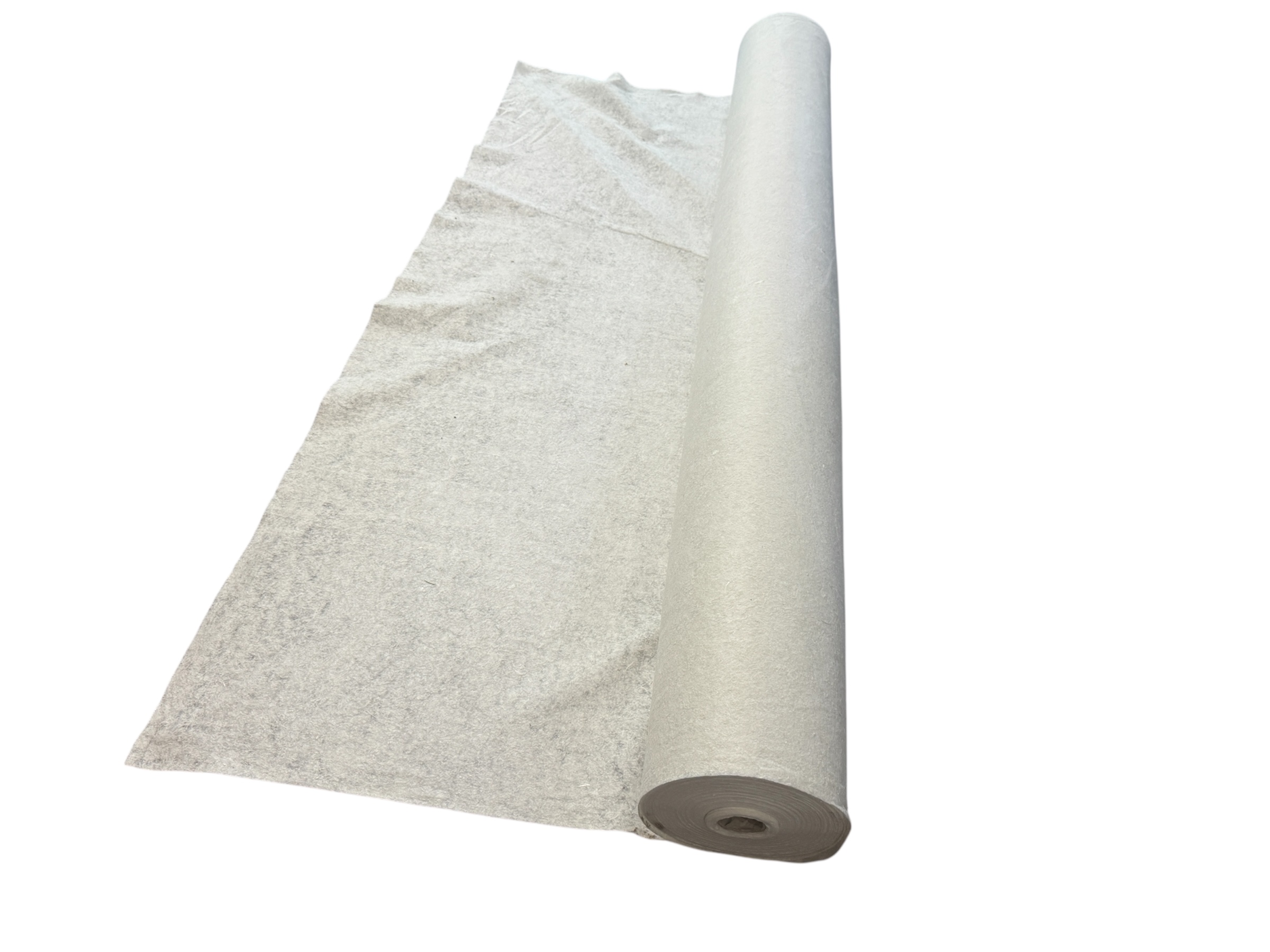
Geotextile thermal fixed NTB200 TC 200 g/m², 2x50 m white (Italy)
Product code: 0398
