Why do you need a chamfer for formwork and what are its advantages
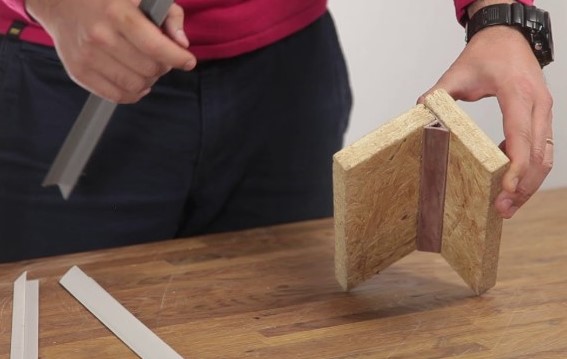
In monolithic construction, the quality of corners and edges of concrete structures is not only aesthetic, but also technical. That is why the chamfer for formwork has become an indispensable element in the manufacture of reinforced concrete products and the performance of monolithic works. Its use allows you to form a neat chamfer, prevent crumbling of corners and increase the durability of the structure.
What is a chamferer? 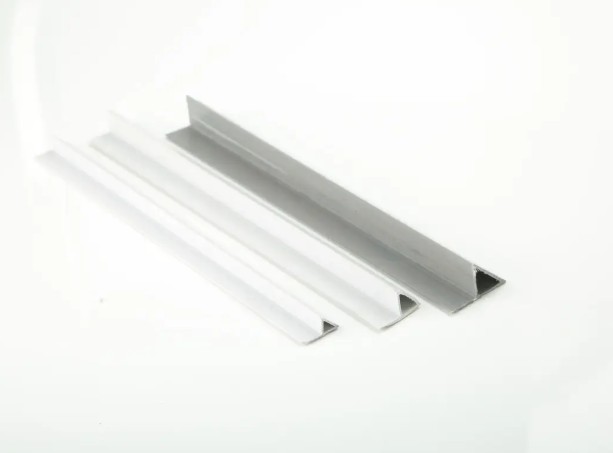
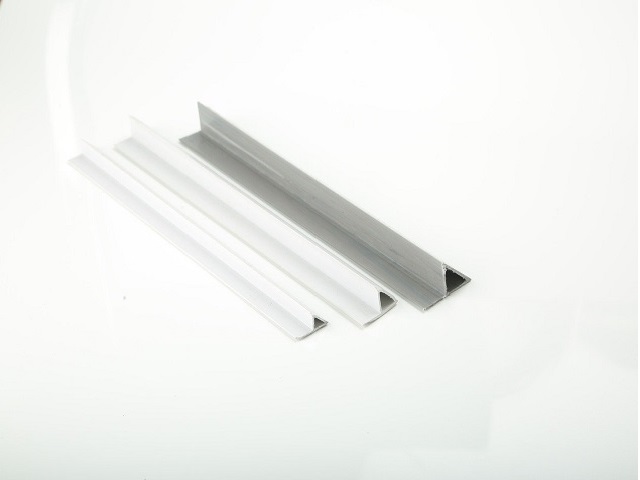
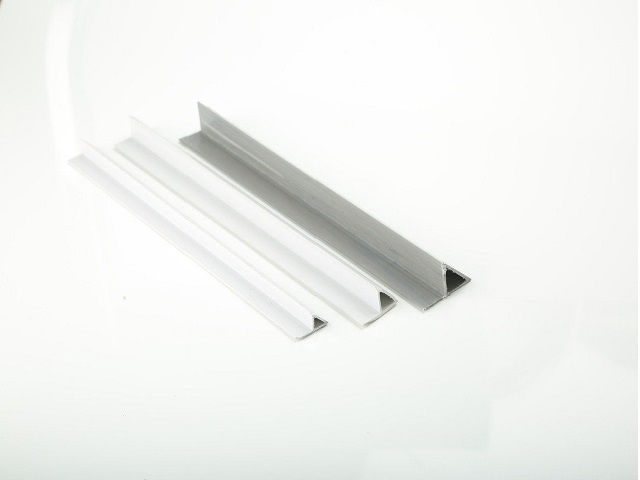
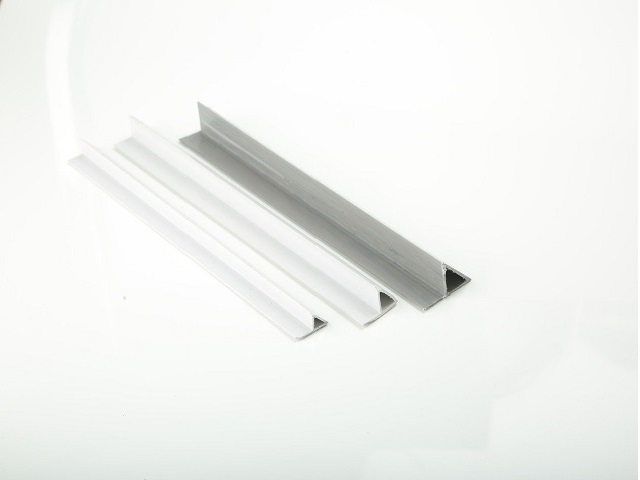
A chamfer (L-shaped strip or corner with a flag) is a rigid PVC profile that is attached to the inside of the formwork before pouring concrete. It is most often 3 m long and has different hypotenuse sizes - 15 mm, 20 mm or 30 mm. Due to its triangular shape, the strip forms an even cut angle instead of an acute 90°.
The L-shaped chamfer is actively used in concrete plants, in the production of columns, beams, floor slabs, balcony slabs, as well as during the construction of residential, commercial and industrial facilities.
What is a chamfer used for?
The main function of a chamferer is to create an even chamfer on concrete elements. This allows:
-
 obtain aesthetically attractive surfaces without chips;
 -
protect corners from mechanical damage;
-
reduce the risk of concrete crumbling during transportation and operation;
-
simplify further decoration.
PVC chamfering makes it much easier to create complex architectural shapes. Columns with cut corners, decorative elements, terraces or balcony slabs look neater without additional finishing.
Using a formwork strip eliminates the need to cut corners with a grinder after removing the formwork. This shortens the production cycle, reduces tool and diamond wheel costs, and reduces the need for additional labor. As a result, the concrete beveler helps optimize costs and increase productivity.
Advantages of the chamfering machine
-
resistance to aggressive effects of concrete and formwork lubricants;
-
high mechanical strength;
-
reusable;
-
precise chamfer geometry;
-
simple and quick installation.
 Thus, a 20 mm, 30 mm or 15 mm chamfer is a practical solution for forming high-quality concrete corners. If you need advice on choosing a size or installation method, please contact us - we will help you choose the best option for your project.