



Bituminous primer vs. primer of deep penetration: a big difference that is often confused
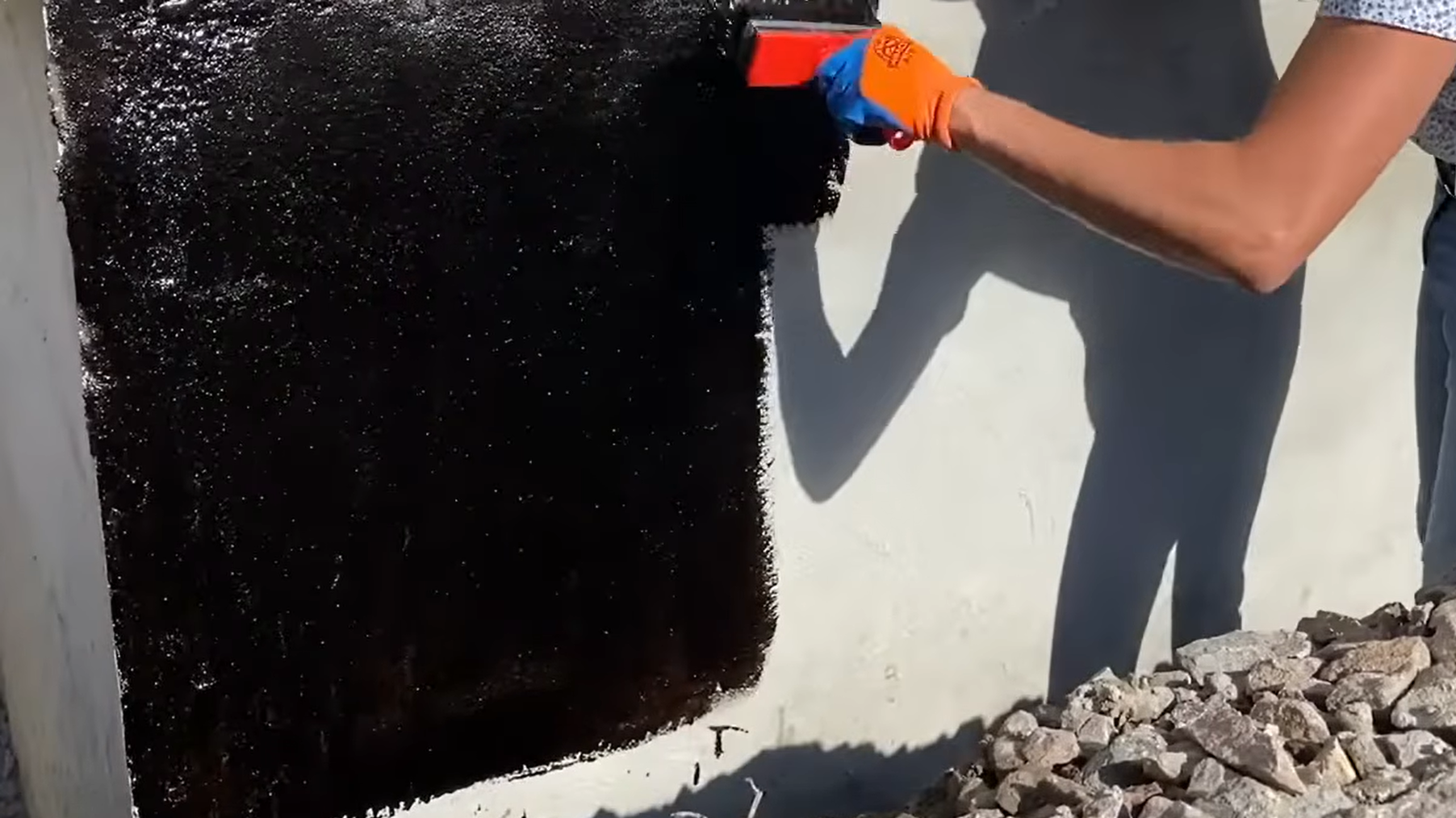
When most people think of the word «primer, " they think of a canister of white liquid that strengthens walls. However, in professional construction, there is another giant: bitumen primer. Although both materials are designed to prepare surfaces and perform similar functions (creating adhesion), they have radically different chemical natures and areas of application.
Let’s take a closer look at why trying to replace one material with another will lead to disastrous consequences for your repair.
.png)
What is bitumen primer?
Bitumen primer is a liquid solution based on high-quality petroleum bitumens diluted in organic solvents. Visually, it is a black, oily liquid with a characteristic odor.
Principle of action: It does not simply cover the surface with a film, but impregnates the micropores of concrete or brick, binds the smallest dust and creates an ideal hydrophobic (water-repellent) base.
Main advantage: Creates a chemically compatible layer for deposited roofing materials and mastics. After drying, the surface remains slightly tacky.
Where used: Waterproofing of foundations, flat roofs, basements, underground parking lots, bridge structures.
.png)
What is a primer of deep penetration?
Deep penetration primer is a liquid polymer (most often acrylic) dispersion on a water basis. It is environmentally friendly, dries quickly and does not have a pungent odor. Visually it resembles diluted milk, after drying it becomes completely transparent.
Principle of action: Thanks to ultra-fine polymer particles, it penetrates deep into the porous base (up to 5–10 mm), polymerizes there and «glues» the loose structure from the inside.
Main benefit: Reduces and evens out the surface’s absorbency, so that tile adhesive or paint doesn’t dry too quickly and fall off. It makes the surface strong but leaves it «breathable».
Where used: Preparing walls, floors and ceilings before plastering, puttying, tiling, pouring self-leveling floors or painting.
The main rules of choice: What and when to buy?
1. Are you building a foundation or covering a roof?
Choice: Bitumen primer. A regular acrylic primer is powerless here: it will wash off or not provide adhesion. Roofing material or waterproofing mastic will simply peel off from the acrylic layer at the first frost or downpour.
2. Are you doing renovations in the bathroom, kitchen or room?
Choice: Deep penetration primer. Even if you are very afraid of moisture in the bathroom, never coat the walls with bitumen primer under the tiles. Cement-based tile adhesive has no adhesion to bitumen. The tiles will slide under their own weight. In addition, the primer will emit a toxic odor in a closed room.
.png)
.png)
So, these materials are not competitors. Bitumen primer is the brute force of rough external waterproofing and roofing. Deep penetration primer is a delicate tool for interior and facade decoration, which is responsible for the aesthetics and durability of finish coatings.
Are you not sure about your choice? We will help!
The construction market is full of brands, and it is very easy to buy a fake or low-quality composition. Incorrectly selected material means the risk of peeling off expensive waterproofing or cracks in new plaster.
Don’t risk your budget and time! Over the years, we have accumulated vast practical experience working with various materials and know well which materials form the best adhesion and are the most durable. Contact our specialists for a free consultation.
