


__1776337881.jpeg)
Spike membrane with geotextile
-1_217_1776339177.jpeg)
.jpeg)
Modern construction is unimaginable without high-quality waterproofing and drainage. One of the most effective solutions is a spiked membrane with geotextiles - a material that combines several functions at once: protection, drainage and filtration. In this article, we will consider how a drainage membrane works, where it is used and how to choose the right material for your facility.
What is a geotextile-lined spike membrane?
The spiked membrane is a two-layer material consisting of:
 HDPE (high density polyethylene) bases
- a layer of geotextile (polypropylene) thermally bonded to the surface with spikes
This design creates drainage channels between the spikes and ensures effective water drainage. The geotextile acts as a filter, preventing the system from becoming clogged with soil particles.
As a result, you get a 4-in-1 system: drainage, filtration, protection and layer separation .
Where is the drainage membrane used?
Spiked membrane with geotextile is widely used in construction: .jpeg)
- - foundations and underground parts of buildings
- - basement walls
- - underground parking lots
- - tunnels
- - retaining walls
- - exploited roofs
- - paving and garden paths
This is a universal solution for facilities where it is important to ensure water drainage and waterproofing protection .
Main advantages of the spiked membrane
Using a membrane with geotextiles provides a number of important advantages:
 High drainage capacity - water is quickly drained into the drainage system
- Filtration - geotextiles prevent soil from clogging channels
- Protection of waterproofing from mechanical damage
- Reducing hydrostatic pressure on the structure
- Compressive strength - withstands significant loads
- Durability - does not rot or decompose in the soil
- Environmentally friendly - safe for the environment
The material can also come into contact with water, which is important for underground structures.
How to properly install a spiked membrane
Proper installation is the key to the effective operation of the system. 
Vertical application:
- - geotextile is placed against the soil
- - the membrane is attached at the top
- - overlapping sheets - with overlap
- - the lower edge is connected to the drainage pipe
Horizontal application:
- - the base is cleaned of debris
- - the membrane is laid with spikes in the desired direction (depending on the task)
- - overlap - at least 30 cm
Which membrane to choose?
The choice depends on the load:
- - 400 g/m² — for paving, garden paths, roofs
- - 500–650 g/m² and more — for foundations, parking lots, difficult conditions
For example, a membrane type DL8 GEO (650 g/m²) has:
- spike height 8 mm
- compressive strength ≥ 200 kN/m²
- optimal for serious drainage systems
Why choose Arfen materials?
Arfen offers high-quality drainage solutions:
- - spiked membranes with geotextiles of various densities
- - geotextiles for filtration and separation
- - installation accessories
✅ Materials meet European standards
✅ Always in stock
✅ Consultation and selection for your facility
We will help you choose the optimal solution for your project - from a private house to an industrial facility.
 A spiked membrane with geotextile is not just a material, but a comprehensive engineering solution. It provides effective drainage, protects waterproofing, and significantly extends the service life of structures.
And most importantly, it allows you to save on repairs in the future .
Why is a spiked membrane with geotextile needed?
It provides drainage, waterproofing protection, and soil filtration, preventing water from accumulating near the structure.
Which side should I lay the membrane on?
It depends on the task: for drainage - with spikes and geotextiles on the outside, for protection - with spikes to the waterproofing.
Can it be used for blinds?
So, a membrane with a density of about 400 g/m² is optimal.
Is the drainage clogged?
No, geotextiles perform a filtering function and prevent clogging.
How long does a membrane last?
The material does not rot or decompose, so its service life is tens of years.
Related products
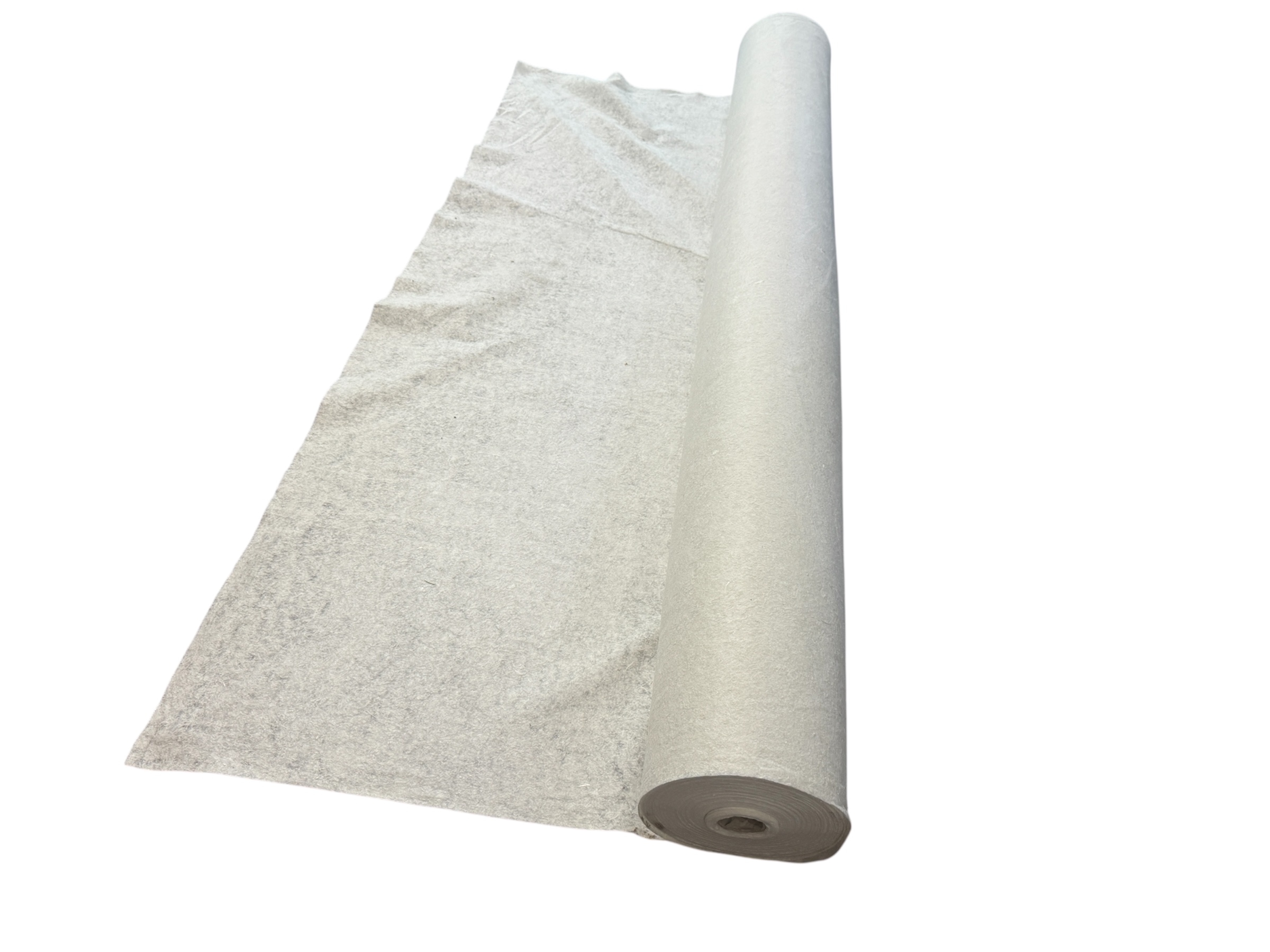

A needle-punched geotextile NTB200 200 gr/m2, 2x50m white (Italy)*
Product code: 0394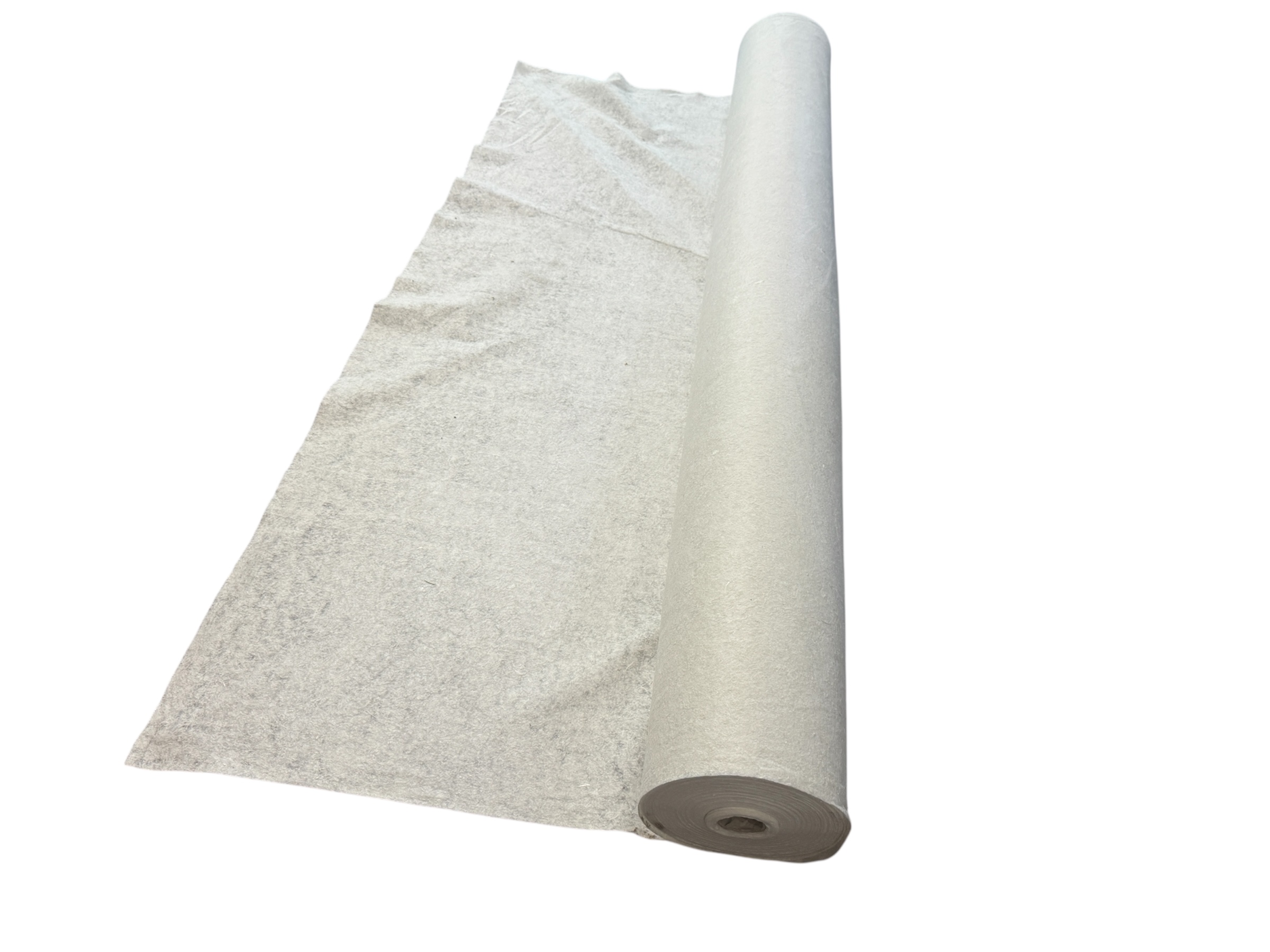
A needle-punched geotextile NTB300 300 gr/m2, 2x50m white (Italy)*
Product code: 0395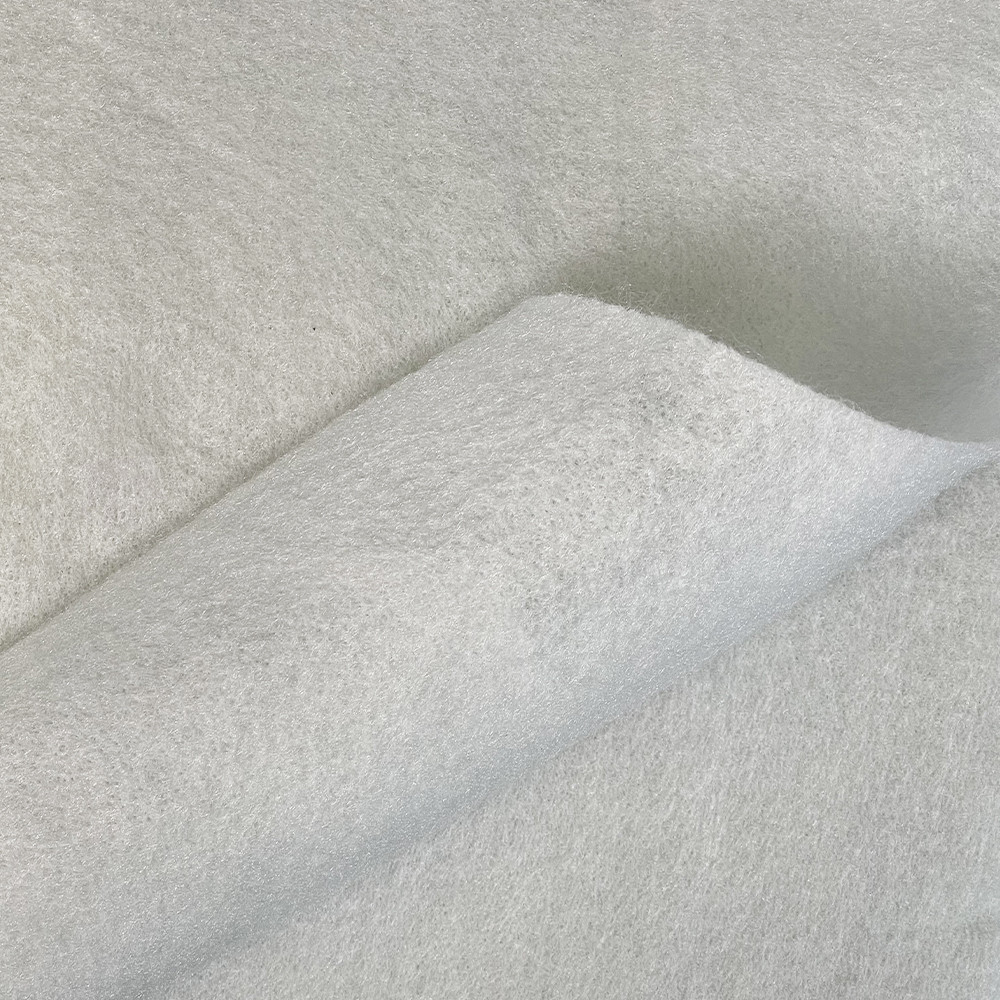
Geotextile thermal fixed NTB150 TC 150 g/m², 2x50 m white (Italy)*
Product code: 0397
Geotextile thermal fixed NTB200 TC 200 g/m², 2x50 m white (Italy)
Product code: 0398

