



Bentonite Rope vs. Water Stopper: which is better for sealing a cold joint in concrete?
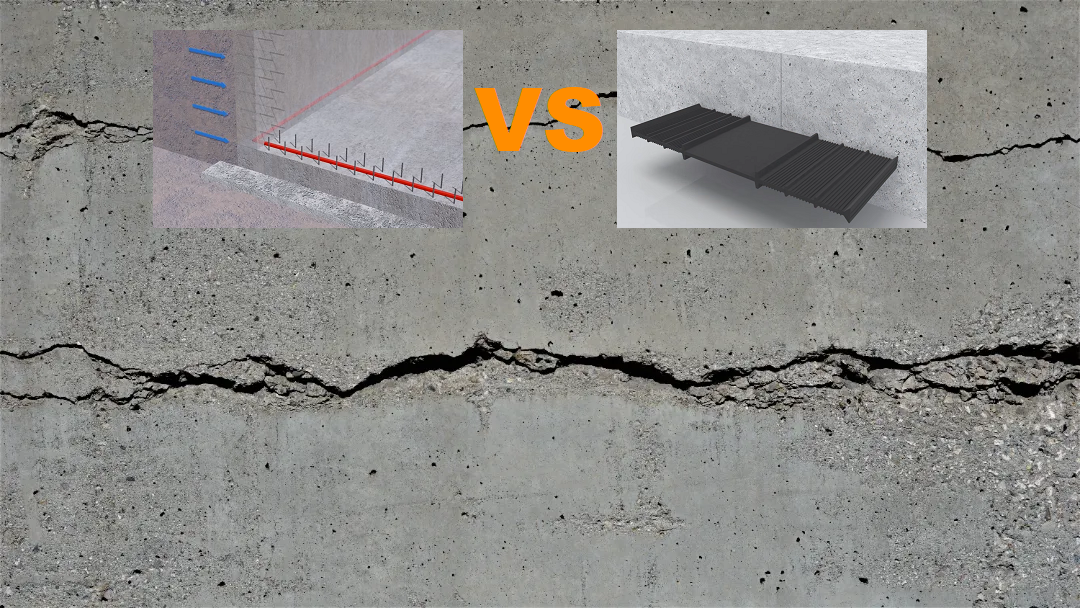
A cold joint in concrete is a forced technological joint that forms at the junction of hardened («old») and fresh concrete. It occurs when the concreting process is stopped for a period of time during which the previous batch of mix has already lost its plasticity and begun to set (usually more than 2–5 hours).
Any cold joint is a potentially vulnerable area that significantly reduces the solidity of the structure and becomes the main path for moisture to penetrate into the building.
Methods of waterproofing cold joints
Since underground cold joints are almost always exposed to moisture, they need to be protected. The most effective solutions are:
1. Bentonite Rope (active waterproofing): Works on the principle of self-expansion. Made from sodium bentonite and rubber. When water tries to pass through a cold seam and touches the hose, it enters into a chemical reaction and increases in volume by 300–400%. A dense waterproof gel is formed. This gel under pressure fills the smallest capillaries, sinks and microcracks in the concrete that inevitably appear at the border of two pours.
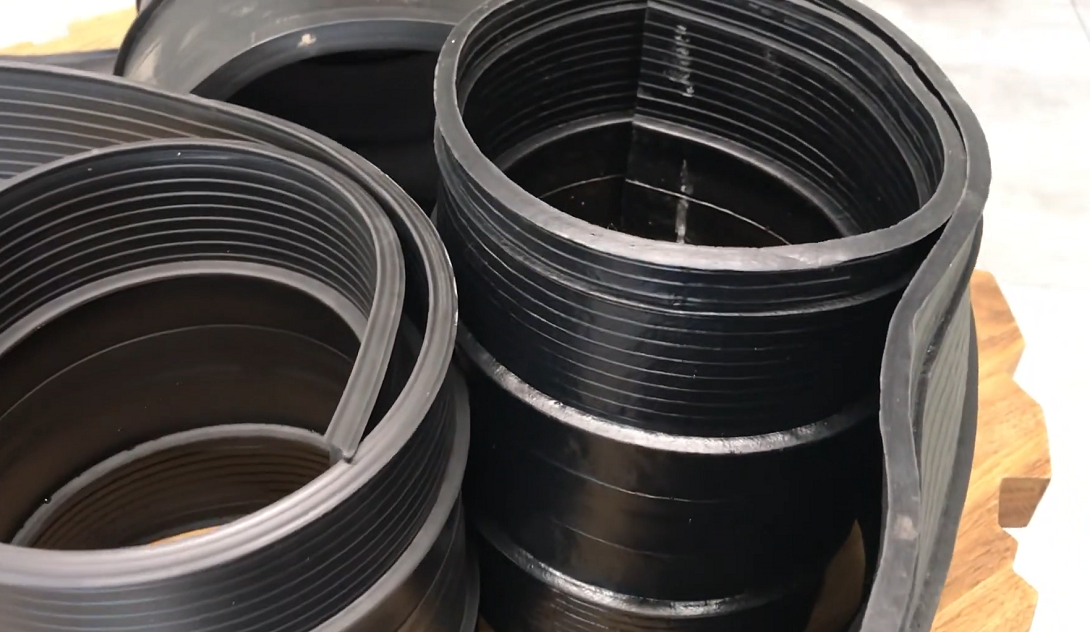
2. Water Stopper (passive protection): Works as a physical barrier. It is a profiled strip of elastic PVC, TEP or rubber with longitudinal ribs and protrusions. It is laid inside the joint so that one half of it remains in the first layer of concrete, and the other in the second. Water simply cannot bypass this labyrinth of ribs, since the spline is tightly clamped by the concrete mass.
So, both materials are reliable, but they are designed for different conditions and budgets.
1. Bentonite cord — ideal for: Small foundations, simple «cold» joints and private construction, but if the house is close to water, you need to use a waterproofing dowel.
Pros: Very easy installation; less expensive; easily repeats complex uneven contours.
Cons: Has a limited lifespan (expands and contracts); cannot withstand severe deformations; cannot be used in places where concrete will constantly dry and get wet; collapses before pouring if it rains heavily.
2 Hydro-dowel — ideal for: Complex structures, underground parking lots, swimming pools, deep foundations and hydraulic structures.
Pros: Works for the entire service life of the concrete; withstands enormous water pressure; can work in both «cold» and expansion (moving) joints.
Cons: Higher cost; requires professional and very precise installation (fix to the reinforcement without displacement).
Each material has its own «weak points» that need to be taken into account:
Limitations for bentonite:
The bundle requires a mandatory protective layer of concrete (minimum 7–8 cm on all sides). If it is laid too close to the edge, the swelling force of the bentonite will simply break off a piece of uncured concrete.
It should not be left in the rain in an open joint. If it swells before it is covered with a second layer of concrete, it will lose its properties and destroy the joint.
Limitations for hydraulic wedges:
The main danger is the formation of voids («underfill») under the ribs of the keyway during the placement of concrete. If the concrete is poorly vibrated, air pockets will remain around the tape, and water will easily bypass this barrier.
Installation technology and complexity
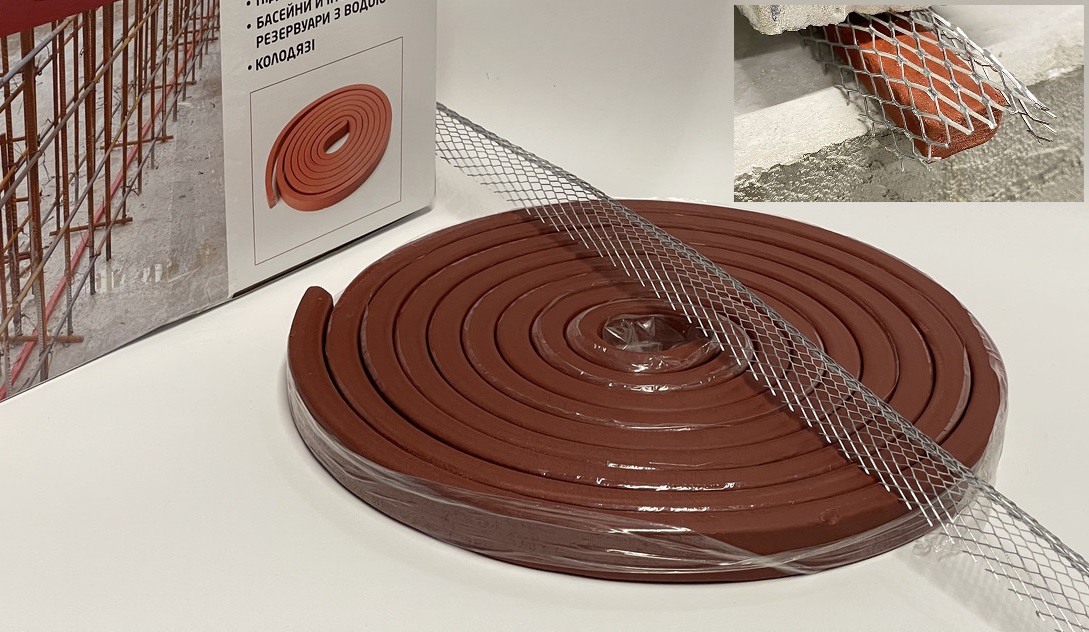
Bentonite bundle (maximum simplicity): It is mounted on the already hardened first layer of concrete immediately before pouring the second. The surface is cleaned, the bundle is deployed in the center of the future joint and fixed using a special glue or mounting mesh with dowels. The joints are made with a small cut, overlapping. This is easy to handle «with your own hands.»
More details here.
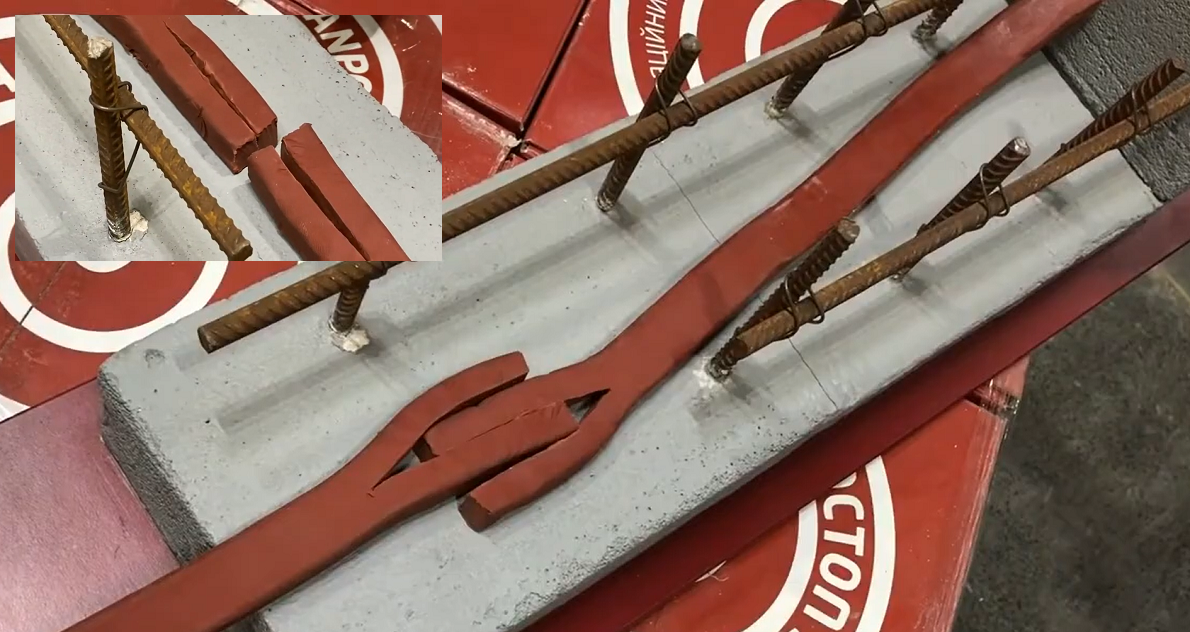
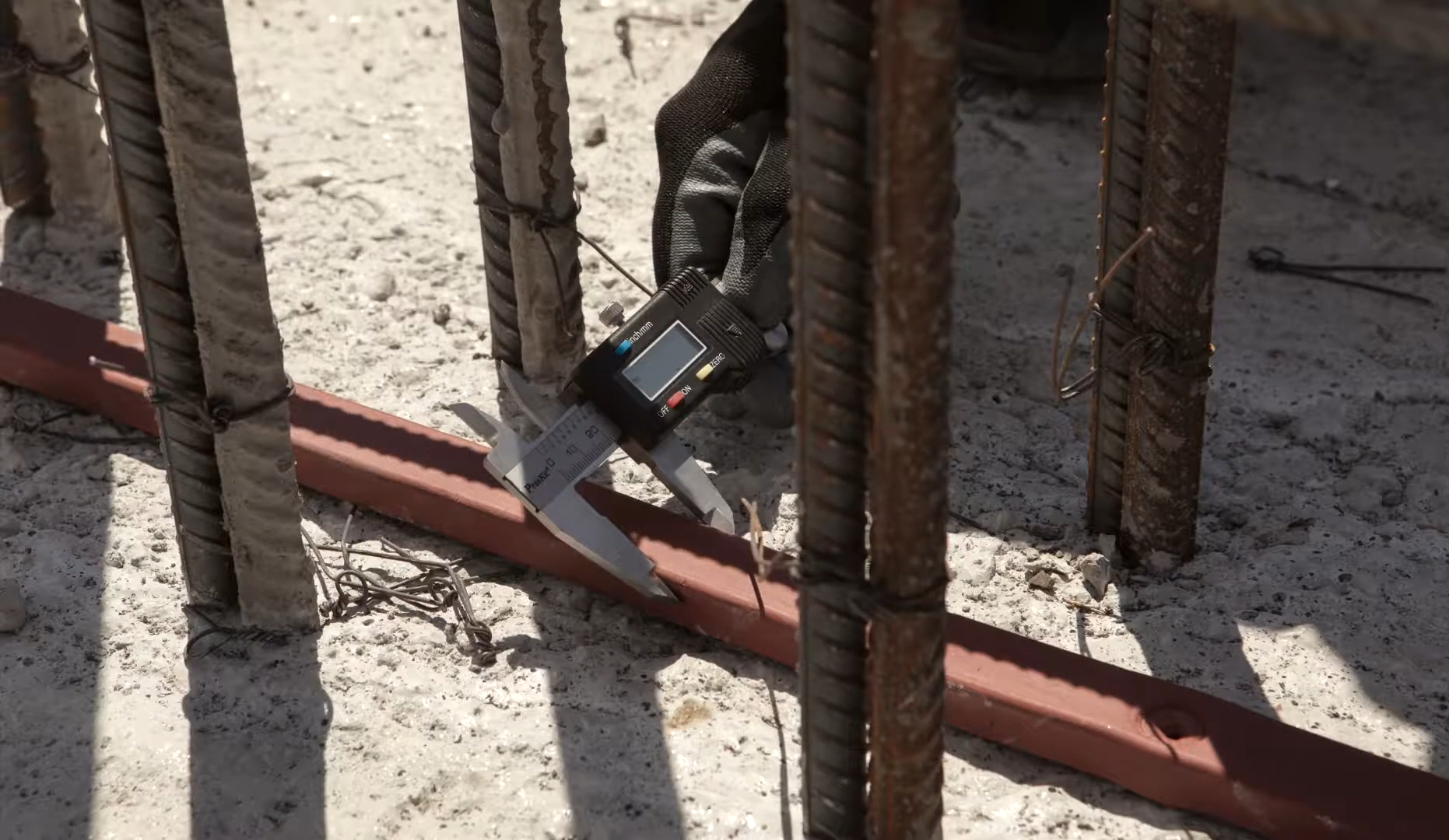
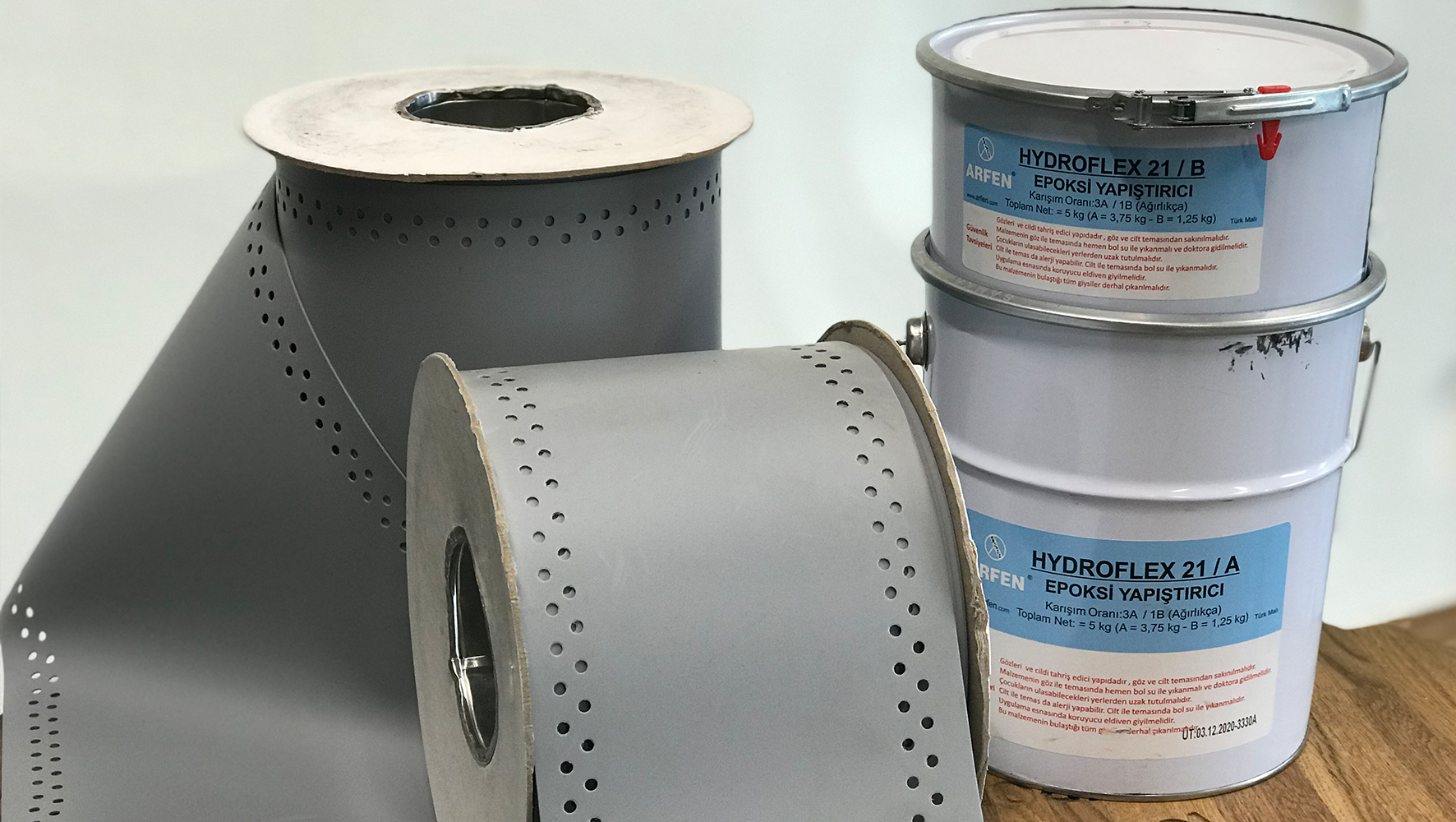
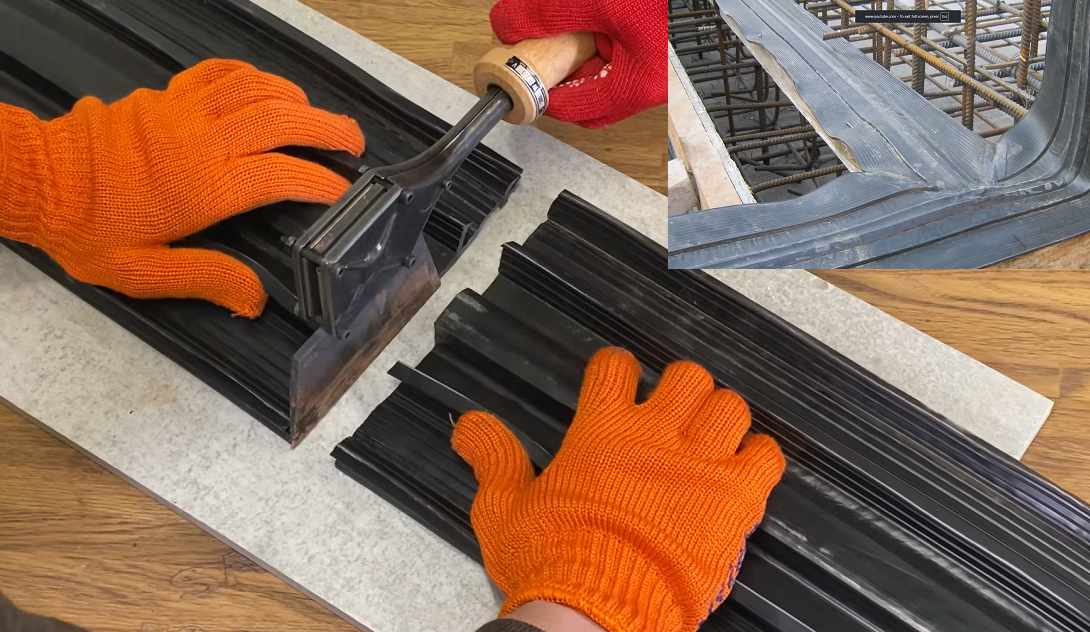
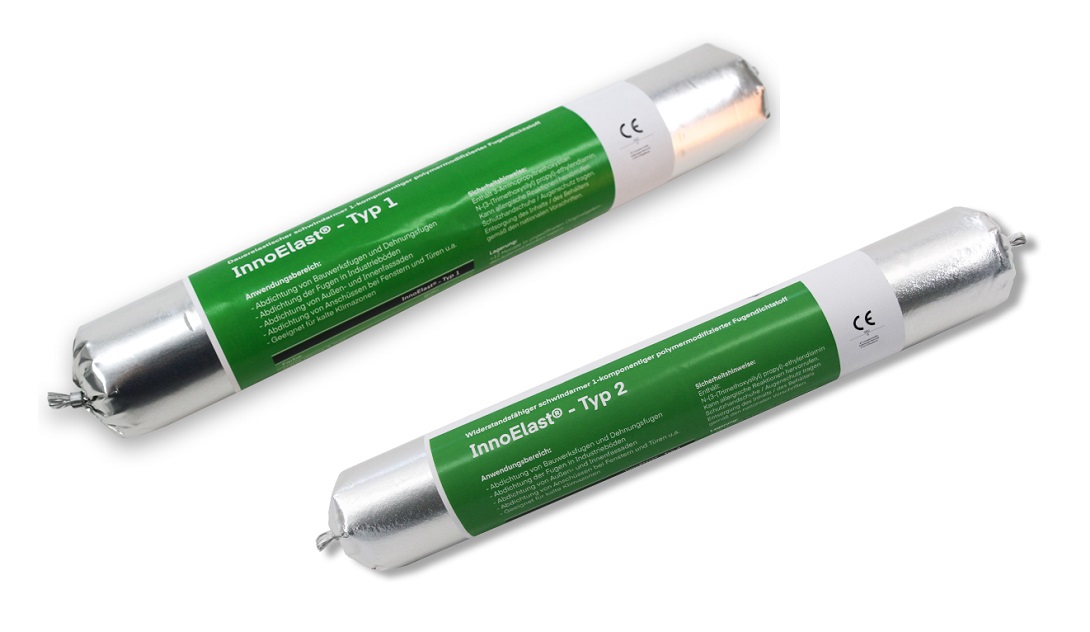
Water stopper (high precision and welding): It must be fixed in the formwork before pouring the first layer of concrete. For this, special holders or fasteners to the reinforcing frame are used. The tape must not shift or crumple under the weight of the concrete mixture during vibration. In addition, connecting the stoppers to each other requires some experience. PVC water stoppers (PVC water stopper) are connected by welding (thermal welding) using a special soldering iron-knife, and TPE (thermoplastic elastomer) TPE water stopper — using the elastic adhesive-sealant Innoelast.
Choose bentonite grout if you are building a private house (cottage), laying a standard foundation, basement walls or a shallow septic tank. This is a reliable, budget-friendly solution that forgives minor mistakes of builders and is guaranteed to close capillary leaks.
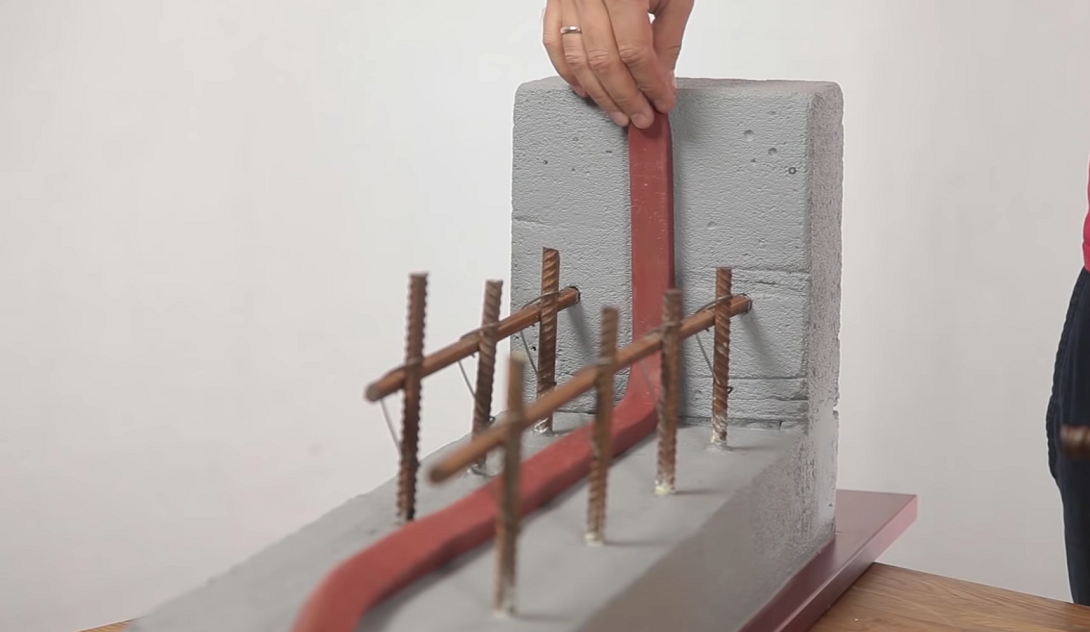
Choose a hydro-key if you are talking about large-scale construction: underground parking lots in high-rise buildings, logistics centers, swimming pools, industrial tanks or facilities with high and constant groundwater pressure. It is more durable and resistant to chemically aggressive environments.
Need help choosing? We’re in touch!
There is no universal solution in construction, but you can find the best waterproofing option for a specific case. Our technical specialists will consult you for free, analyze the features of your facility in detail, and select the best option.
